Empowering Pakistan’s Economic Engine: A Deep Dive into SME Loan Accessibility in 2026
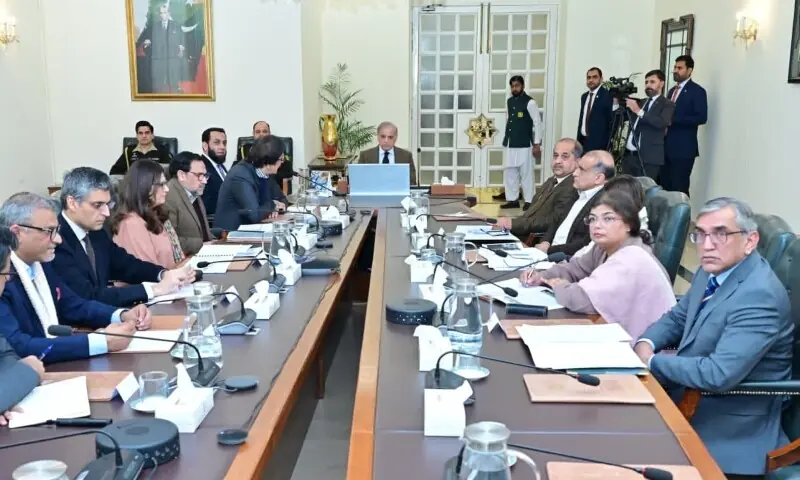
The Pakistani economy stands at a pivotal moment.As of January 6th, 2026, Prime Minister Shehbaz Sharif has reiterated the government’s commitment to bolstering SME loans and fostering the growth of Small and Medium Enterprises (SMEs) – a sector widely recognized as the backbone of national economic prosperity. This isn’t merely a political statement; it’s a strategic imperative. SMEs account for over 90% of all businesses in Pakistan and contribute significantly to employment,innovation,and export revenue. However,access to affordable financing remains a critical bottleneck. This article provides a comprehensive overview of the current landscape, recent initiatives, and future outlook for SME financing in Pakistan, offering practical insights for business owners and stakeholders.
The Critical Role of SMEs in Pakistan’s Economy
Did You Know? According to the state Bank of Pakistan (SBP), as of Q4 2025, SMEs contribute approximately 40% to Pakistan’s GDP and employ over 42% of the labor force. Despite this significant contribution, they receive less than 20% of the total bank credit.
For decades, Pakistani SMEs have faced systemic challenges in securing funding.Customary lending institutions frequently enough perceive them as high-risk due to limited collateral, lack of formal financial records, and perceived operational complexities. This creates a vicious cycle, hindering growth and limiting their potential to contribute to the national economy. The current administration recognizes this and is actively working to dismantle these barriers. The recent directive from Prime Minister Sharif to expedite loan disbursement through banks and financial institutions signals a renewed focus on addressing this long-standing issue.
Unpacking the Three-Year SME Promotion Roadmap
The recently unveiled three-year roadmap,championed by Special Assistant Haroon Akhtar and the newly elected Smeda board,represents a significant step forward.This plan isn’t just about increasing loan volume; it’s about creating a holistic ecosystem that supports SME development. Key components include:
* Simplified loan Application Processes: Reducing bureaucratic hurdles and streamlining documentation requirements for SME loan applications. This includes exploring digital platforms for application submission and approval.
* Targeted Loan Schemes: developing specialized loan products tailored to the specific needs of different SME sectors (e.g., agriculture, textiles, technology).
* Credit Guarantee Schemes: Mitigating risk for banks by providing partial guarantees on SME loans, encouraging them to lend more confidently. The SBP has been actively expanding its credit guarantee schemes, with a recent increase in coverage to PKR 20 billion in late 2025.
* Capacity Building Programs: Equipping SMEs with the financial literacy and business management skills necessary to effectively utilize loans and manage their finances. The recent workshops held in six cities – Karachi, Lahore, Islamabad, peshawar, Quetta, and Faisalabad – are a prime example of this initiative.
* Export Promotion Support: Facilitating access to international markets and providing financial assistance for export-related activities.
Pro Tip: SMEs should proactively engage with Smeda and other government agencies to understand the available loan schemes and eligibility criteria. Preparing a comprehensive business plan and maintaining accurate financial records are crucial for a successful loan application.
Navigating the Landscape of SME Financing Options
Beyond traditional bank loans, Pakistani SMEs have access to a growing range of financing options:
* Commercial Banks: Offer a variety of loan products, including term loans, working capital loans, and trade finance facilities. Banks like habib Bank Limited, United bank Limited, and Allied Bank Limited are increasingly focusing on SME lending.
* Microfinance Institutions (mfis): Provide smaller loans to micro and small enterprises, often with more flexible repayment terms.
* Venture Capital & Private Equity: While less common, venture capital and private equity funding are becoming increasingly available for high-growth potential smes, particularly in the technology sector.
* Government schemes: The SBP and other government agencies offer various subsidized loan schemes specifically designed for SMEs. The Youth Entrepreneurship Scheme and the Refinance Scheme for SME Financing are notable examples.
* Digital Lending platforms: Fintech companies are disrupting the traditional lending landscape by offering faster, more accessible, and data-driven loan solutions.
Comparison of SME Loan Options (January 2026)
| Financing Option | Loan Amount (PKR) | Interest Rate (Approx.) |
|---|