Prime Minister Shehbaz Sharif has characterized the federal budget for the 2026-27 fiscal year as a “people-friendly” framework designed to transition Pakistan toward an export-oriented economy. During a meeting with women parliamentarians from the Pakistan Muslim League-Nawaz (PML-N) on Wednesday, the Prime Minister emphasized that the government’s primary objective remains securing economic stability while shielding vulnerable populations from global inflationary pressures, according to a press statement from the Prime Minister’s Office (PMO).
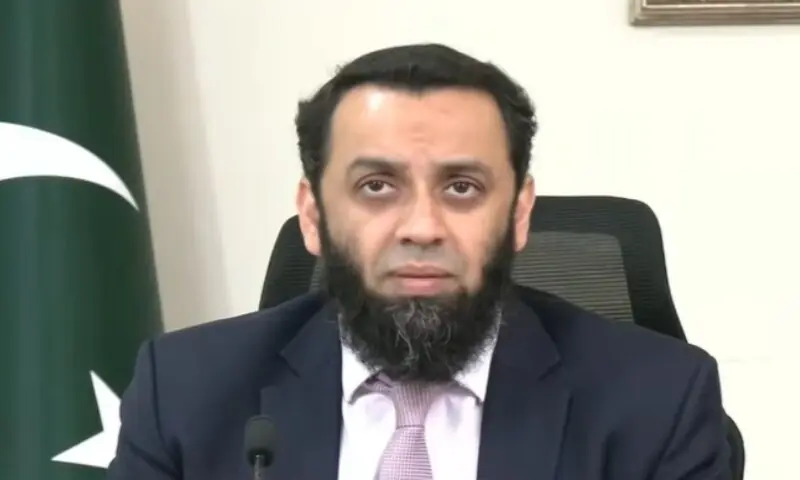
The current fiscal plan, presented by Finance Minister Muhammad Aurangzeb, introduces significant structural adjustments, including a three-year freeze on provincial transfers and a reallocation of resources toward security and key economic sectors. The government has identified water resources, information technology, agriculture, and mineral development as the pillars intended to provide a robust foundation for the national economy. These policy shifts come as the administration attempts to move beyond the fiscal crises that marked the previous period, during which Pakistan faced significant risks of default, according to comments made by Information Minister Attaullah Tarar during a press briefing.
Strategic Reforms in Tax Collection and Enforcement
A central component of the 2026-27 budget is a comprehensive reform of the Federal Board of Revenue (FBR). Information Minister Attaullah Tarar stated that the government has moved to implement a “faceless” tax system to eliminate human interaction in customs and income tax processes. According to the Minister, this digital transition is intended to reduce corruption and delays, particularly for exporters awaiting port clearance. The government reports that these enforcement efforts, independent of the International Monetary Fund (IMF) program, contributed to a collection of approximately Rs800 billion in the past year. The FBR’s modernization includes the installation of monitoring systems and QR-code tracking in industries such as sugar, where the government claims to have recovered Rs60 billion in taxes through enhanced oversight.

The administration has also introduced specific fiscal adjustments for the salaried class. According to the Finance Ministry’s outline, individuals earning between Rs50,000 and Rs100,000 are subject to a 1% tax rate, with adjustments made for higher income slabs based on public feedback. Furthermore, the government has moved to abolish the “advance tax” and “super tax” for exporters, a move described by State Minister for Finance Bilal Azhar Kayani as a necessary incentive to revive industrial productivity. The budget also includes the removal of the so-called “pink tax,” alongside continued funding for the “Apna Ghar” housing scheme, which has reportedly disbursed Rs90 billion to support low-income home ownership.
Regional Stability and Economic Priorities
During the meeting with parliamentarians, Prime Minister Shehbaz Sharif linked the success of the current budget to the broader restoration of peace in the region. He specifically credited the efforts of Chief of Army Staff Field Marshal Asim Munir, Deputy Prime Minister Ishaq Dar, and Interior Minister Mohsin Naqvi for their roles in navigating recent geopolitical tensions, including the crisis involving the United States and Iran. The Prime Minister noted that the government’s ability to provide a Rs128 billion subsidy package in March was a direct response to the global inflation triggered by regional instability. He maintained that economic prosperity is contingent upon long-term peace, a sentiment echoed by the women parliamentarians present, who lauded the government’s negotiation efforts.
The legislative meeting, which included representatives such as Syeda Nosheen Iftikhar, Begum Tehmina Daultana, and Shaista Pervaiz, focused on aligning constituency-level welfare projects with the broader fiscal strategy. Officials including Defence Minister Khawaja Muhammad Asif and IT Minister Shaza Fatima Khawaja also attended, underscoring the inter-ministerial coordination behind the budget. The government’s fiscal strategy for the coming year includes a fixed tax scheme for small traders and retailers, as well as new levies on social media earnings, as it attempts to broaden the national tax base while simultaneously offering relief to sectors deemed critical to economic recovery.
Looking Ahead: Implementation and Oversight
The government faces the challenge of executing these reforms amidst public scrutiny and opposition from various sectors. While the information minister characterized the budget as “positive and relief-oriented,” critics have raised concerns regarding the proposed taxes on small traders and the impact of the three-year freeze on provincial transfers. The administration maintains that these measures are essential to ensure the country’s transition to a self-sustaining economic model. The government’s next official updates are expected through subsequent FBR notifications and parliamentary sessions regarding the implementation of the new tax tribunals and the “faceless” clearance systems at national ports.
For citizens and business owners, the government has indicated that details regarding the “Apna Ghar” scheme and tax filing updates will be available through official FBR portals. Stakeholders are encouraged to monitor the Ministry of Finance’s website for formal guidelines on the new tax slabs and the status of ongoing subsidy programs. Public discourse on these economic measures continues as the government moves into the implementation phase of the 2026-27 fiscal cycle.
Keep reading