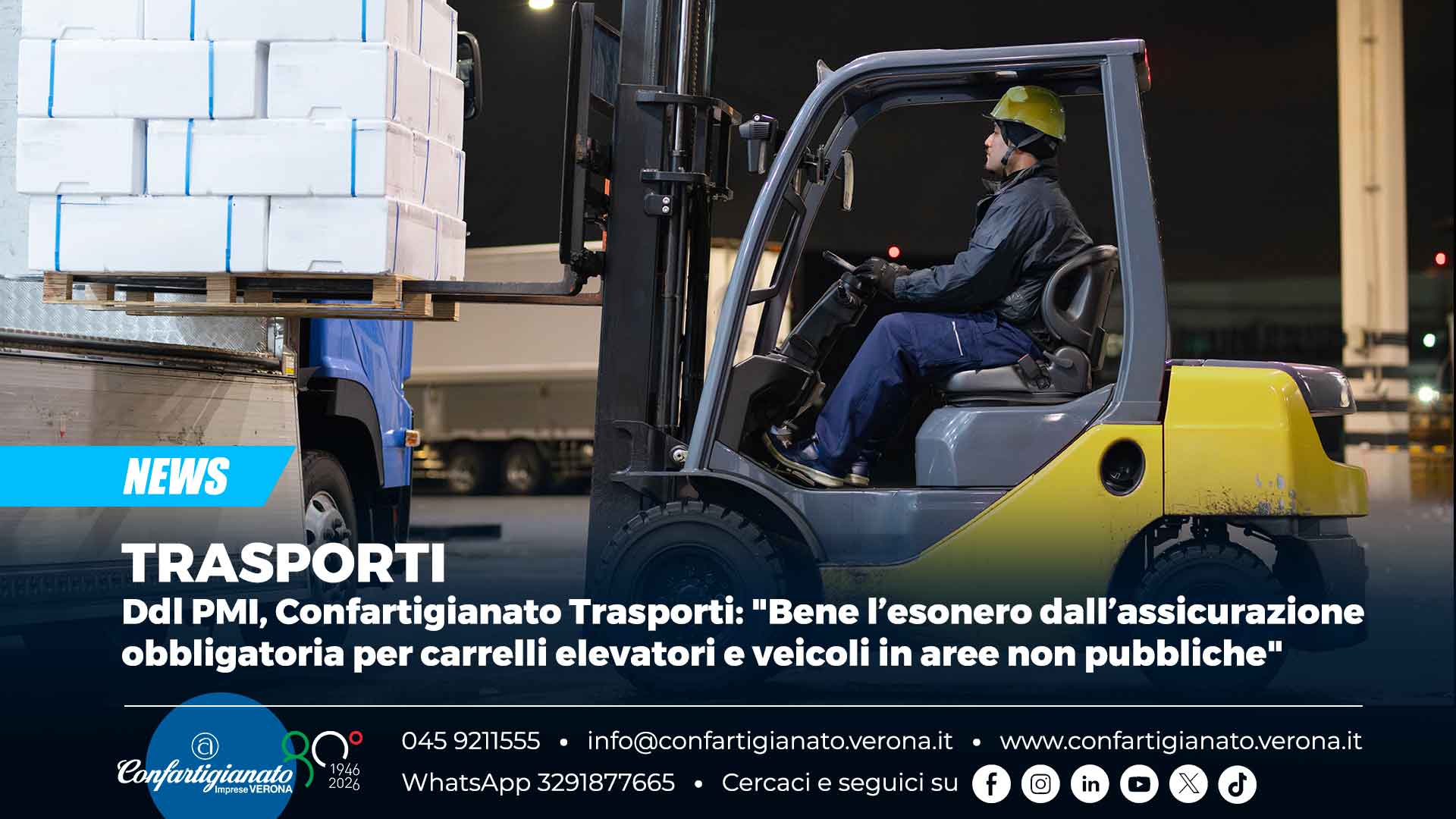
Rome, Italy – Italian businesses involved in transport and logistics are poised to benefit from a newly enacted law that exempts them from mandatory insurance requirements for certain vehicles operating within private, non-public areas. The measure, part of a broader bill aimed at supporting small and medium-sized enterprises (SMEs), has been welcomed by industry groups like Confartigianato Trasporti, who advocated for the change. This development arrives as the Italian economy continues its recovery, with a particular focus on bolstering the competitiveness of its vital logistics sector.
The legislation, officially the annual decree-law on Small and Medium-sized Enterprises, received final approval from the Italian Senate on March 6, 2026 and has now become law. It represents a significant step towards streamlining regulations and reducing the administrative burden on Italian businesses, particularly micro, small, and medium-sized enterprises, which form the backbone of the national economy. Beyond the insurance exemption, the law also includes provisions for rationalizing and updating regulations concerning artisan activities, as well as measures to promote growth, innovation, and access to credit for businesses.
Insurance Exemption Details and Scope
The core of the recent change centers on the responsibility of civil liability for vehicles used within restricted areas. Specifically, the law provides an exemption from mandatory insurance for forklifts and other vehicles utilized in areas not accessible to the general public, such as ports, airports, and railway yards. However, this exemption is contingent upon businesses maintaining specific insurance policies that adequately cover potential liabilities. This means companies will still need to demonstrate appropriate insurance coverage, but they will no longer be required to adhere to the broader, more costly mandatory insurance regulations typically applied to public roadways.
Confartigianato Trasporti has been a vocal advocate for this change, arguing that the previous regulations imposed unnecessary costs and complexities on businesses operating within these controlled environments. According to a statement released by the organization, the new law “fully meets the requests of Confartigianato Trasporti” by providing this targeted exemption. The organization’s Verona branch highlighted the benefits, emphasizing the reduction in administrative burdens and associated costs for its members.
Broader Implications for the Italian Logistics Sector
The Italian logistics sector is a crucial component of the nation’s economy, facilitating the movement of goods both domestically and internationally. However, the sector has faced increasing challenges in recent years, including rising fuel costs, supply chain disruptions, and evolving regulatory requirements. The new SME law, and specifically the insurance exemption, is intended to alleviate some of these pressures and enhance the competitiveness of Italian logistics companies.
Beyond the insurance provision, the broader decree-law addresses several key areas impacting SMEs. It introduces a delegation to the government to rationalize and update regulations pertaining to artisan activities, aiming to simplify procedures and reduce bureaucratic hurdles. The law focuses on supporting growth, innovation, and improved access to credit for businesses, recognizing their pivotal role in the Italian economic landscape. These measures collectively aim to foster a more favorable environment for entrepreneurship and investment.
Concerns Regarding Tax Credit Compensation and the 2026 Budget
While the insurance exemption has been lauded as a positive development, other aspects of recent legislation are causing concern within the Italian transport industry. Specifically, Article 26 of the 2026 Budget Law is raising alarms due to its potential to block the compensation of tax credits, particularly those related to excise duties on diesel fuel. Confartigianato Trasporti and CNA Fita have jointly issued warnings about the detrimental impact this could have on the road freight transport sector.
According to these organizations, the proposed changes would prevent companies from offsetting excise duty reimbursements against tax liabilities, potentially locking up nearly €1.8 billion in credits. This could create a severe liquidity crisis for many businesses, forcing them to pay taxes upfront while waiting for potentially lengthy reimbursement processes. The estimated impact on individual artisan companies is around €56,000 per year. The organizations are urging lawmakers to either repeal the provision or introduce a specific exemption for excise duty credits related to professional diesel use.
Potential Impact of Delayed Tax Credit Compensation
The delay in receiving tax credit compensation could have cascading effects throughout the transport sector. Companies may be forced to delay investments in new equipment, reduce staffing levels, or even face insolvency. The situation is particularly concerning for smaller businesses, which often operate on tighter margins and have limited access to alternative financing options. The potential disruption to the flow of goods could also have broader implications for the Italian economy.
Confartigianato Trasporti and CNA Fita have acknowledged the stated intentions of Minister Giancarlo Giorgetti and Deputy Minister Maurizio Leo to review the controversial Article 26. However, they are continuing to press for a more definitive solution, advocating for either the complete removal of the provision or the introduction of a targeted exemption. They emphasize that the current proposal unfairly burdens honest businesses while failing to address the root causes of tax fraud.
Looking Ahead: Implementation and Further Developments
The implementation of the new SME law, including the insurance exemption for vehicles in non-public areas, is expected to unfold in the coming months. Businesses will need to review their existing insurance policies and ensure they meet the requirements outlined in the legislation. Industry associations like Confartigianato Trasporti are likely to provide guidance and support to their members during this transition period.
The debate surrounding Article 26 of the 2026 Budget Law is also expected to continue, with ongoing discussions between industry representatives and government officials. The outcome of these negotiations will have significant implications for the financial health of the Italian road freight transport sector. Stakeholders will be closely monitoring developments and advocating for solutions that protect the interests of businesses and ensure the continued smooth functioning of the supply chain.
The Italian government’s commitment to supporting SMEs through legislative measures like this decree-law signals a recognition of the vital role these businesses play in driving economic growth and innovation. However, ongoing challenges remain, and continued dialogue between policymakers and industry stakeholders will be crucial to fostering a sustainable and competitive business environment.
Key Takeaways:
- Italian businesses can now benefit from an exemption from mandatory insurance for vehicles operating in private areas like ports and airports, provided they maintain adequate coverage.
- The new law is part of a broader effort to support SMEs and streamline regulations in Italy.
- Concerns remain regarding Article 26 of the 2026 Budget Law, which could block the compensation of tax credits for excise duties on diesel fuel.
- Industry groups are actively lobbying for a resolution to the tax credit issue to avoid a liquidity crisis in the transport sector.
The next key development to watch will be the government’s response to the concerns raised regarding Article 26 of the 2026 Budget Law. Further updates and potential amendments are expected in the coming weeks. We encourage readers to share their thoughts and experiences in the comments below and to share this article with their networks.
Worth a look