The Art of Found Footage: how “Dead, White & Blue” Revitalizes Public Domain for Hilarious Effect
Indie filmmaking often thrives on resourceful innovation. Director Mike Davis exemplifies this with “Dead, White & Blue,” a strikingly original comedy born from a simple constraint: a lack of funding. His solution? Dive into the vast, often overlooked world of public domain footage.
The result isn’t just a film; it’s a testament to creative problem-solving and a surprisingly potent commentary on American society.
A Comedy Crafted from the Past
Davis unveiled his project at the Pittsburgh Moving Picture Festival, showcasing a film that’s both laugh-out-loud funny and thought-provoking. “Dead, White & Blue” doesn’t shy away from tackling complex issues, leaning heavily into a left-leaning viewpoint, but its humor is global enough to resonate with diverse audiences.
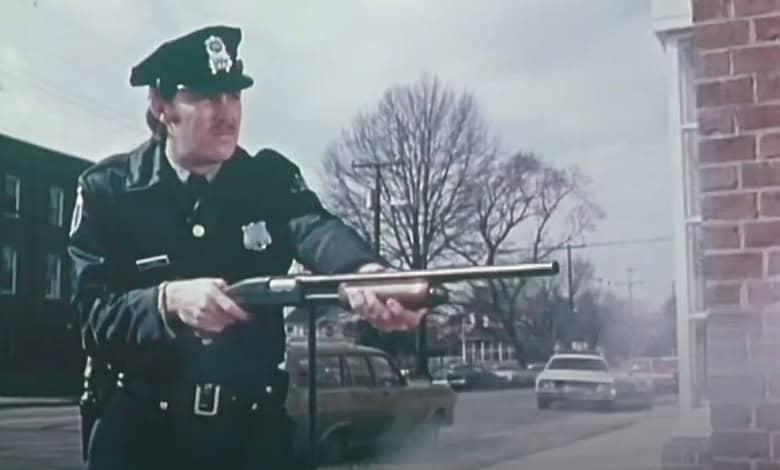
The narrative, if it can be called that given its deliberately chaotic structure, centers around a bizarre series of events. These include the abduction of an Atlanta mayor and the pursuit of a bullet fired by a racist police officer – desired by both the U.S.Military and the KKK, for drastically different reasons.
This seemingly disjointed premise is unified by a wonderfully absurd element: a shrinking experiment. It’s delightfully silly, perfectly setting the tone for the film’s overall aesthetic.
Why It Works: A Masterclass in editing & Dialogue
Davis doesn’t simply use public domain footage; he transforms it. Sourced primarily from the 1950s through the early 1990s, the clips are seamlessly stitched together, creating surprisingly fluid sequences. Frequently enough,the footage itself is inherently comedic – a window into past sensibilities that elicits a “what were they thinking?” reaction.
But the true genius lies in the dubbed dialogue. Delivered with intentionally flat affect, the lines amplify the humor, even as the narrative veers into unexpected territory.This technique elevates the material, turning potentially awkward moments into punchlines.
Here’s what makes the film particularly effective:
* Absurdist Humor: The film embraces the ridiculous, drawing comparisons to the rapid-fire joke delivery of “Airplane!”
* Sharp Satire: While humorous, “Dead, White & Blue” doesn’t shy away from social commentary, particularly regarding race relations and police brutality.
* Creative Editing: The seamless integration of disparate footage is a technical achievement in itself.
* Unique Voice: the deadpan delivery of dialogue adds a layer of irony and wit.
Reflecting on Today’s Landscape
Interestingly, the film’s depiction of societal landmines regarding race feels somewhat dated in 2025. While progress has been made,the film’s exaggerated portrayal serves as a stark reminder of past struggles. this doesn’t diminish the humor, but it does add a layer of ancient context.
Though, not every joke lands. A few, like a quip about international conflicts and a reference to banned books, feel somewhat forced or out of place.
The Future of Found footage?
“Dead, White & Blue” is, at its core, a gimmick. But it’s a brilliantly executed one. Davis proves that a compelling narrative can be built from pre-existing materials,opening up exciting possibilities for indie filmmakers.
Imagine a limited-run series built on this same principle - the potential is limitless. Davis’s film isn’t just entertaining; it’s a minor revelation, demonstrating the power of resourcefulness and creative vision.
It’s a hilarious reminder that sometimes, the best stories are already out there, waiting to be rediscovered and reimagined.
You can learn more about the film’s screening at the Pittsburgh Moving Picture Festival here: https://thelindsaytheater.org/event/pittsburgh-moving-picture-festival-thriller-picture-show-2025/
Verdict: “Dead, White & blue” is a fiercely original and hilarious comedy that breathes new life into forgotten footage. It’s a must-see for anyone interested in innovative filmmaking and sharp social satire.
Keep reading