
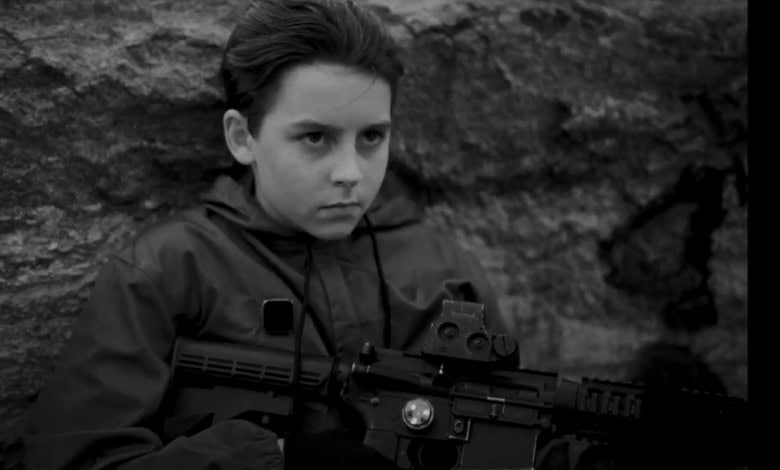
“The School Duel”: A Dystopian Satire Lost in Partisan Echoes
The film “The School Duel,” recently showcased at the Pittsburgh Moving Picture Festival, attempts a bold dystopian vision but ultimately falters under the weight of its own ideological biases. It presents a provocative premise,yet feels disconnected from the complexities of the issues it tackles. This review delves into the film’s strengths and weaknesses,offering a critical assessment for discerning viewers.
A Premise Ripe for Commentary
The film centers around a disturbing concept: a televised duel to resolve school disputes in a near-future Florida. This setup immediately evokes comparisons to “The Hunger Games” and “The Purge,” but aims for a unique commentary on American political polarization and the state of education. However,the execution struggles to rise above simplistic portrayals.
Performance Standouts Amidst Ideological Rigidity
Despite the film’s shortcomings, strong performances elevate the material. Oscar Nuñez, known for his role in “The Office,” delivers a surprisingly effective portrayal of the gruff Florida governor. Michael Sean Tighe shines as Sam’s duel “counselor,” bringing a sinister yet subtly human edge to his character, reminiscent of Sean Penn’s intensity in “One Battle After Another.”
However, the film’s commitment to a singular viewpoint becomes a meaningful drawback. It lacks the nuance needed to truly resonate, resembling a one-sided argument rather than a thoughtful exploration.
A Lack of Nuance and Balanced Perspective
Broad satire requires a foundation of truth and understanding, even when exaggerating for effect. “The School Duel” feels constructed by filmmakers unfamiliar with conservative viewpoints, resulting in caricatures instead of compelling characters. This approach mirrors the pitfalls of purely reactive political commentary, like early iterations of President Trump portrayals on “Saturday Night Live”-high on outrage, low on insight.
The film’s black and white cinematography adds a sense of urgency, but cannot compensate for the lack of balanced depiction. The limited portrayal of minority characters falls into predictable tropes, reinforcing the sense of an insular ideological bubble.
Lost Potential in the Duel Itself
initially, sam’s journey holds promise, and the film deserves credit for its originality. Yet, the titular Duel itself proves underwhelming. The lack of character progress leaves you disconnected from the stakes, and the event feels neither exciting nor especially revealing.
This contrasts sharply with Stephen King’s “The Long Walk,” where the protagonists are deeply fleshed out, making their struggle truly impactful.
Missed Opportunities for Deeper Exploration
The film’s narrative overlooks potential avenues for richer commentary. For exmaple, it doesn’t address the possibility of choice solutions to school violence, such as teacher training programs that have demonstrated success in preventing shootings.
Furthermore, the film’s critique of gun policies feels tone-deaf when considered alongside concerns about rising crime rates and the impact of lenient sentencing policies in some areas. These omissions contribute to the film’s overall sense of imbalance.
Final Verdict: A Bold Concept, Poorly Executed
“The School Duel” presents a compelling concept but ultimately succumbs to partisan rhetoric.While the performances are commendable, the film’s lack of nuance and balanced perspective prevent it from achieving its full potential.It’s a missed chance to spark a meaningful conversation about the challenges facing American society.
HiT or miss: Miss.”The School Duel” prioritizes political messaging over compelling storytelling.


