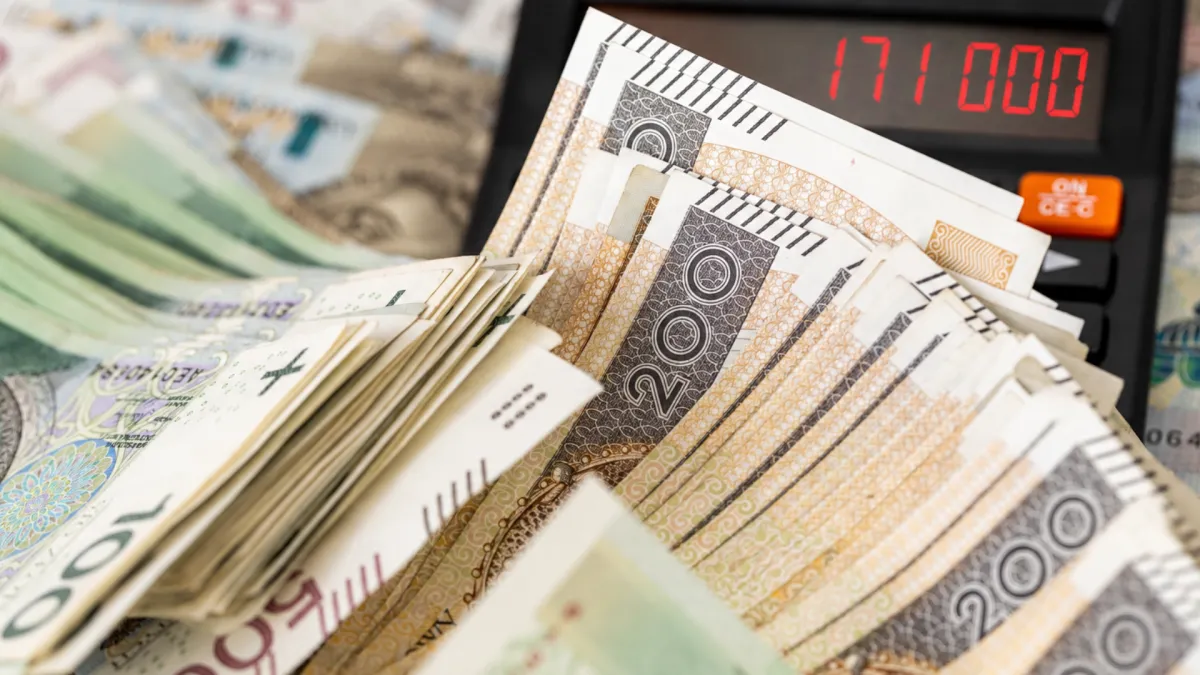
The Polish Sejm has initiated legislative discussions regarding a potential increase of the first personal income tax (PIT) threshold to 171,000 PLN, as current fiscal brackets face criticism for failing to keep pace with rising living costs. This proposal, currently in the preliminary stages of parliamentary review, aims to address the stagnation of tax thresholds that have remained unchanged for several years, despite significant inflationary pressure on household budgets, according to official parliamentary records and reports from the Sejm of the Republic of Poland.
As the debate gains momentum, financial analysts and policymakers are weighing the economic implications of such a shift. The primary objective is to provide relief to middle-income earners who currently transition into the 32% tax bracket earlier than they might under an inflation-indexed system. However, the proposal faces scrutiny over its potential impact on the state budget and the actual net benefit to individual taxpayers, as noted in discussions monitored by the Ministry of Finance.
Evaluating the Current Tax Structure
Under the existing tax system in Poland, the first tax bracket covers income up to 120,000 PLN, taxed at a rate of 12%. Income exceeding this amount is subject to a 32% tax rate. Advocates for raising the threshold to 171,000 PLN argue that the current 120,000 PLN limit is no longer representative of the average wage growth or the increased cost of living experienced by citizens over the last several years. According to data provided by the Statistics Poland (GUS), wage growth has outpaced the adjustment of tax brackets, effectively pushing more employees into a higher tax tier without a corresponding increase in real purchasing power.
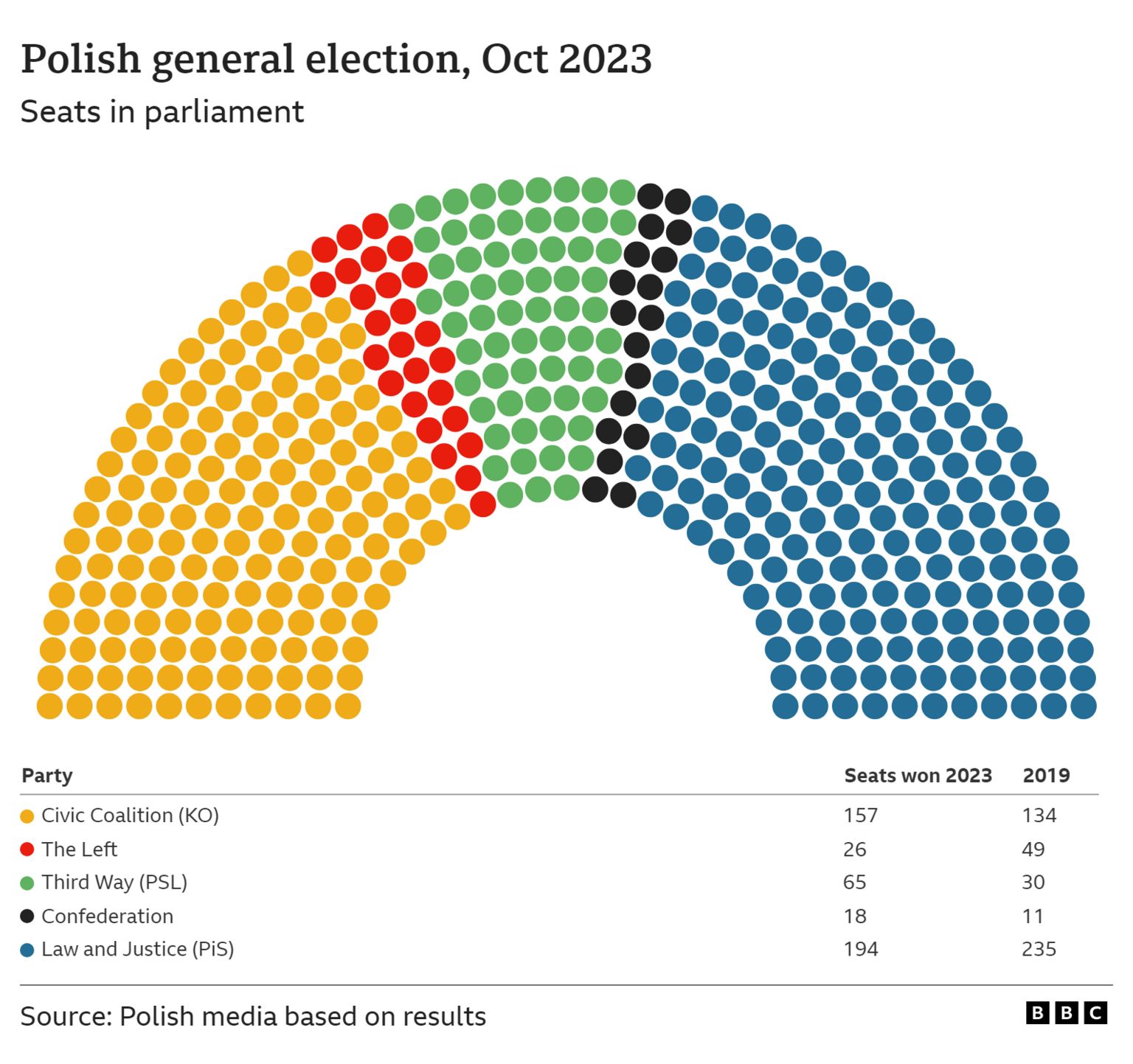
The discussion in the Sejm centers on whether the current tax policy adequately protects the middle class. Critics of the current system point out that the threshold has not been adjusted to account for cumulative inflation, leading to what some economists describe as “bracket creep.” By raising the threshold to 171,000 PLN, proponents suggest the government would effectively lower the tax burden for a significant portion of the workforce, potentially stimulating domestic consumption.
Economic Perspectives and Fiscal Constraints
The proposal has sparked a divergence in opinion among economic commentators. Some analysts suggest that while the adjustment is necessary to reflect economic reality, it poses a risk to the state’s fiscal stability. According to budget impact assessments referenced in recent parliamentary debates, a significant increase in the tax threshold would result in a substantial reduction in tax revenue for the state treasury. Observers note that balancing “Swedish-style” public expenditures with tax policies that are not aligned with high-revenue generation presents a significant challenge for the current administration.
Conversely, skeptics of the proposed change argue that the modification may not provide the intended relief for the average worker. Some labor market experts suggest that the majority of employees earning below the current 120,000 PLN threshold would see no immediate change in their monthly net income. The benefit would be concentrated among those earning between 120,000 PLN and 171,000 PLN, potentially leaving the broader base of the workforce unaffected, as reported by financial news platforms analyzing the potential fiscal impact.
What Happens Next
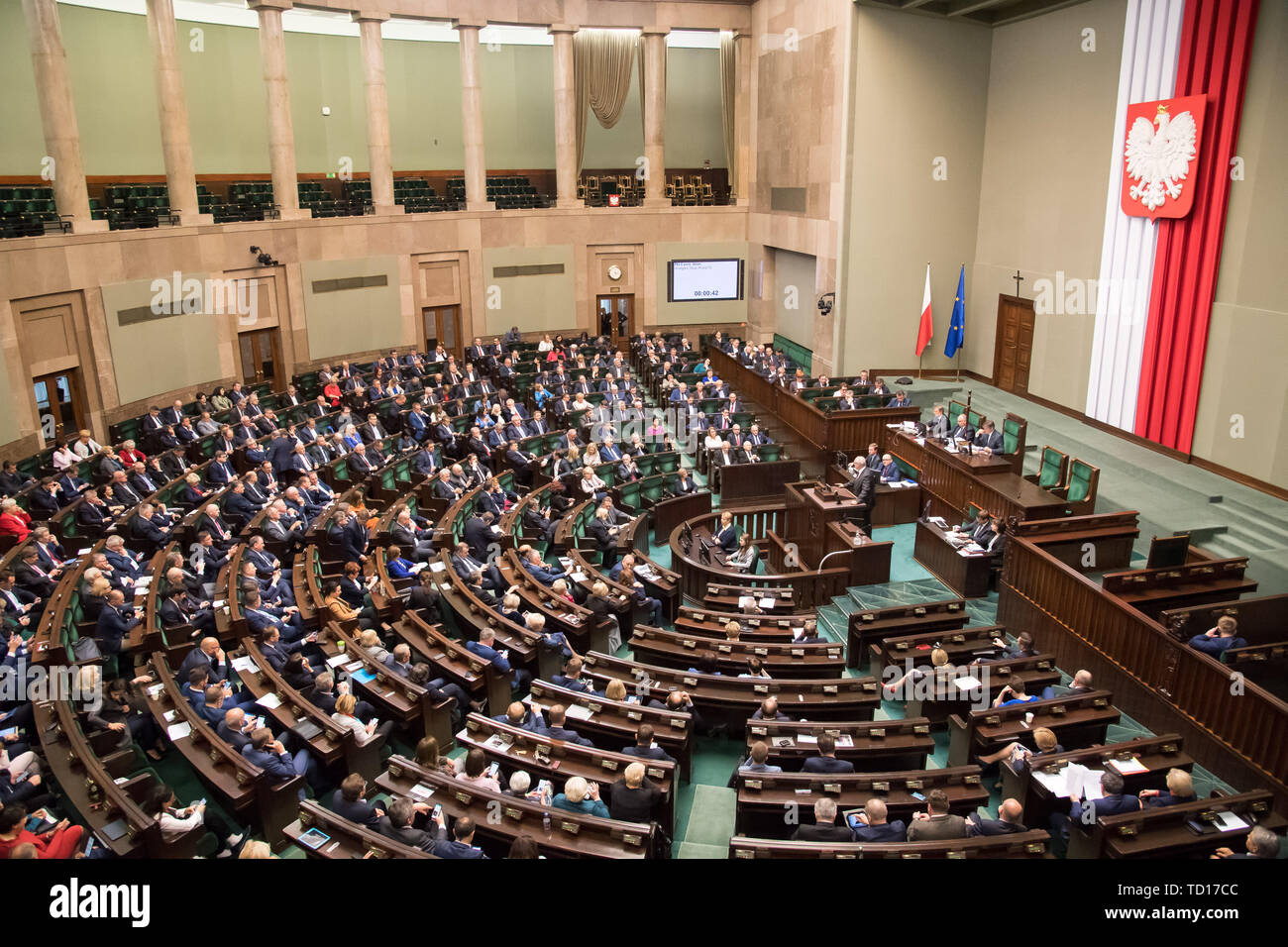
The legislative process is ongoing, and the proposal remains subject to committee review and potential amendments before it can reach a final vote. The Sejm’s Finance Committee is tasked with analyzing the feasibility of the 171,000 PLN threshold and its long-term effects on the national budget. Interested parties and taxpayers are advised to monitor the official legislative portal of the Sejm for updates on committee hearings and schedule changes.
For many, this debate highlights the broader issue of indexation in the Polish tax system. Whether the government moves forward with this specific amendment or seeks a more comprehensive reform of the tax code remains to be seen. As the parliamentary session progresses, further analysis regarding the projected impact on the national deficit and household liquidity is expected to be released by the Ministry of Finance. We invite our readers to share their perspectives on these proposed fiscal changes in the comments section below.
Worth a look