
Poland is moving to tighten regulations for ride-hailing services, specifically targeting foreign drivers, following a series of high-profile traffic incidents and concerns regarding passenger safety. The Polish Ministry of Digital Affairs has announced plans to implement stricter identity verification protocols and licensing requirements for drivers working with platforms such as Uber, Bolt, and FreeNow. These measures are designed to ensure that all individuals operating professional passenger vehicles meet rigorous legal and security standards, as reported by the Ministry of Digital Affairs.
The proposed legislative changes center on the requirement for drivers to appear in person at a designated office to verify their identity and documentation before they can legally begin providing transport services. This initiative, often referred to as the “safe ride” policy, aims to eliminate the practice of account sharing and the use of falsified identities, which authorities suggest has contributed to an increase in safety risks. The government’s move comes amid growing public pressure to address gaps in the current oversight of the ride-sharing sector, particularly concerning the labor practices of non-EU citizens operating in Poland.
Addressing Security Gaps in Ride-Sharing
The primary driver for these new regulations is the need for enhanced oversight of the gig economy. According to statements from the Polish government, the current system has been exploited by individuals who do not possess valid work permits or who utilize accounts registered to other people. By mandating an in-person verification process, the state intends to ensure that the person behind the wheel is the same individual registered in the application’s database.
This policy shift follows a period of heightened scrutiny regarding the safety of passengers in ride-hailing vehicles. While these platforms have revolutionized urban mobility in Polish cities, the rapid expansion of the sector has outpaced existing regulatory frameworks. The Ministry of Digital Affairs emphasized that these requirements are intended to restore trust in the industry and provide a clear legal pathway for legitimate drivers, while simultaneously curbing illegal employment practices that have been identified by labor inspectors and law enforcement agencies.
Impact on Foreign Drivers and Platforms
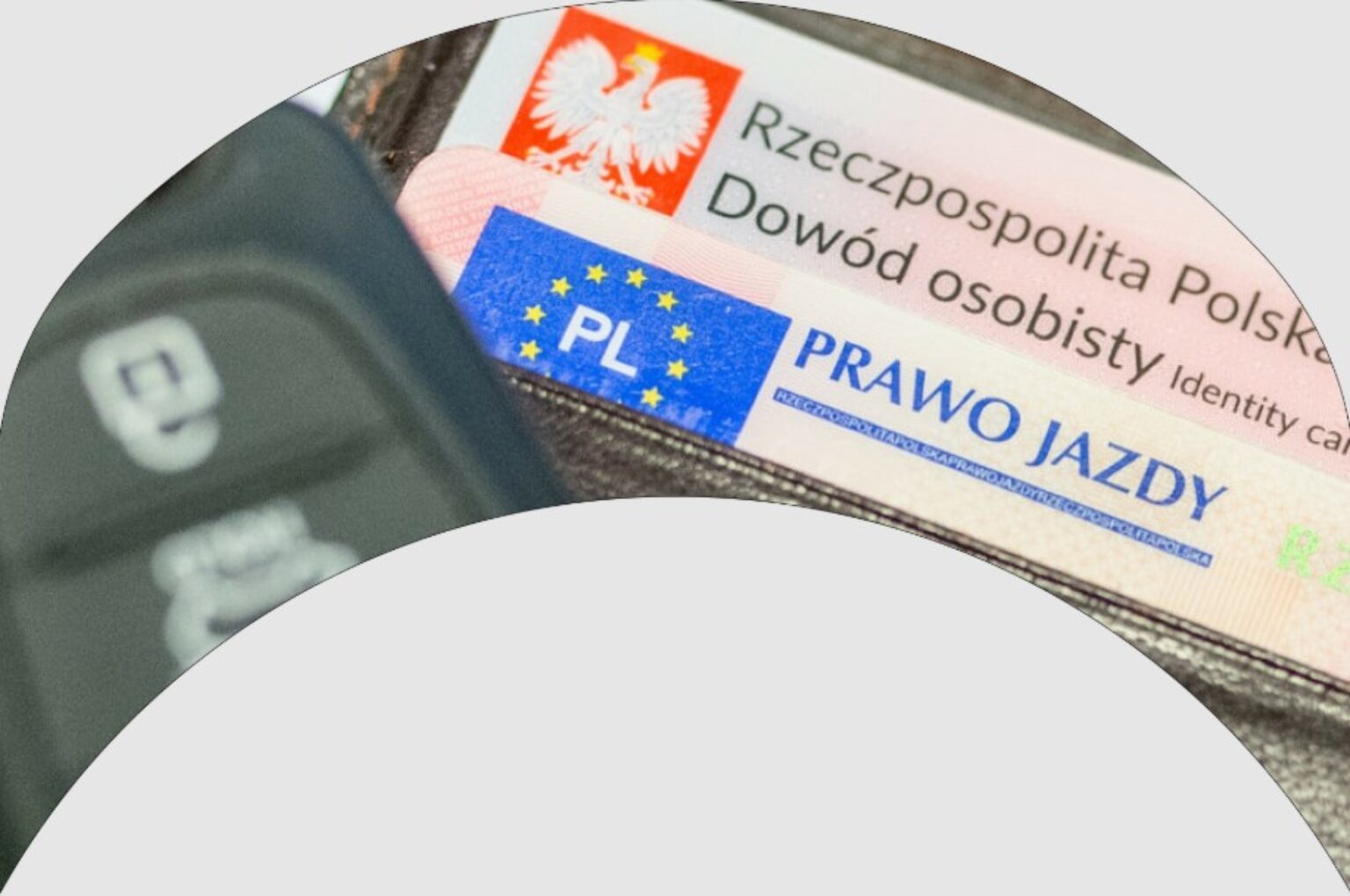
The new requirements will primarily affect foreign nationals who rely on ride-hailing platforms for employment. Under the proposed rules, drivers will be required to present original identification documents and proof of residency in person at a government facility. This step is intended to verify that the driver has the legal right to work in Poland and that their background meets the necessary safety criteria for professional passenger transport.
Platforms operating in the country have largely expressed support for the principle of improved security, though the logistical implementation of these changes remains a point of discussion between the government and industry representatives. As noted by officials at the Ministry of Digital Affairs, the objective is to create a digital environment where passenger safety is prioritized through automated data exchange between the platforms and the Central Register of Drivers. The government maintains that these measures are essential to align the digital transport sector with traditional taxi regulations, which have long been subject to stricter licensing and background checks.
What Happens Next for Users and Drivers
The implementation of these measures is part of a broader effort to modernize transport law in Poland. Drivers currently operating on these platforms are advised to monitor official government portals for specific deadlines regarding the mandatory in-person verification process. Failure to comply with these updated standards may result in the suspension of driver accounts and potential administrative penalties for both the individuals and the platforms facilitating the services.

Public feedback and the ongoing legislative process will determine the final timeline for the rollout of these requirements. The government has indicated that it will continue to work with law enforcement and transport regulators to monitor the effectiveness of these rules once they are fully active. For now, passengers are encouraged to use the built-in safety features currently provided within their ride-sharing applications, such as real-time location sharing and emergency contact integration, while the state prepares the next phase of its regulatory oversight.
We will continue to provide updates as the Polish government releases further details on the implementation schedule and the specific documentation required for the new verification process. If you have questions or experiences regarding these changes, please feel free to share your thoughts in the comments section below.
Related reading