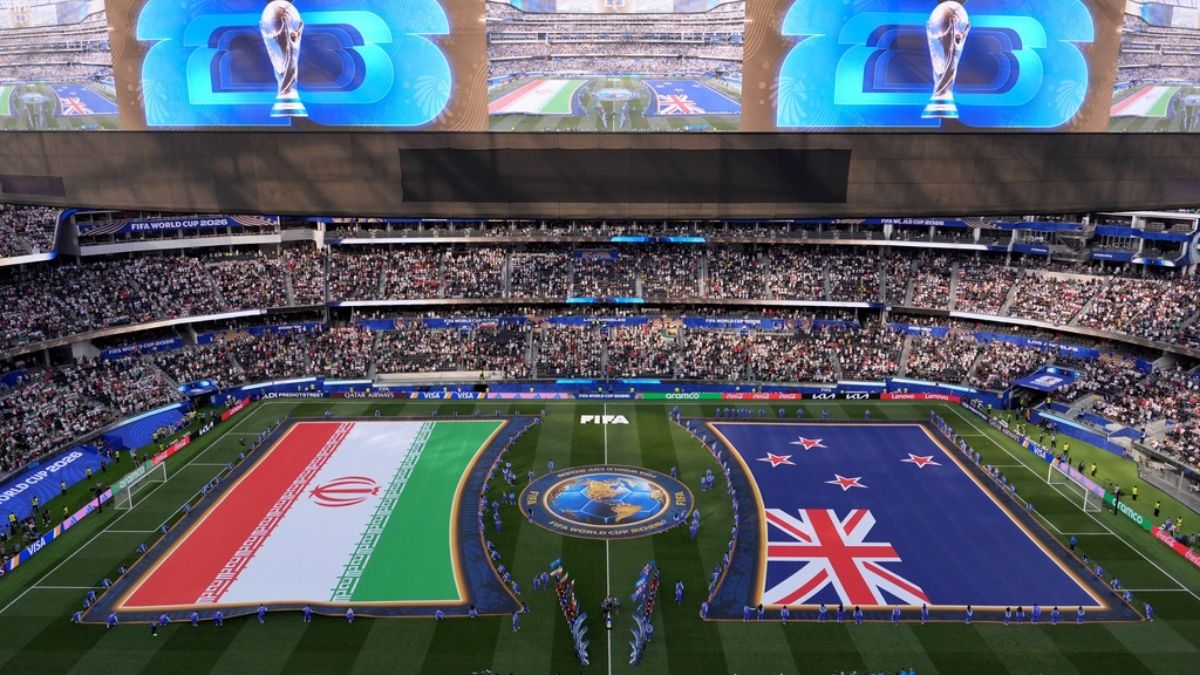
Security personnel at a recent international sporting event in Los Angeles confiscated an Israeli flag from a spectator, sparking a public debate over the enforcement of political symbol policies at sporting venues. The incident, which occurred during a match between Iran and New Zealand, has drawn attention to the differing treatment of national flags and the challenges organizers face in maintaining neutrality in politically charged environments.
While the initial report of the event circulated widely on social media, the incident underscores a broader tension regarding how international federations manage protests and displays of national identity. According to venue management policies for major international tournaments, organizers often reserve the right to restrict items deemed likely to incite conflict or disrupt the event, though the specific application of these rules remains a subject of ongoing scrutiny by human rights groups and international observers.
Policy Enforcement and Stadium Neutrality
The confiscation of the Israeli flag at the Los Angeles venue has prompted questions about the consistency of security protocols. Stadium organizers, operating under guidelines often mandated by international governing bodies such as FIFA or the International Olympic Committee (IOC), frequently implement restrictions on flags, banners, and political messaging to ensure the safety of athletes and spectators. As noted by the FIFA Stadium Code of Conduct, items that are considered “political, offensive or discriminatory” are generally prohibited from entry.
Observers have pointed to the visibility of other national symbols, such as Palestinian flags, during the same event as evidence of a perceived double standard. However, security professionals argue that the decision to remove a specific item is often a tactical assessment based on the immediate potential for confrontation within a specific section of the crowd. The American Civil Liberties Union (ACLU) provides resources on how private venues in the United States maintain broad discretion to enforce rules of conduct, provided they do not violate specific anti-discrimination statutes.
The Role of International Sporting Bodies
The controversy in Los Angeles reflects a wider global challenge for sports administrators. With geopolitical tensions rising across the Middle East, events featuring teams from affected regions are increasingly scrutinized for political signaling. The Olympic Charter, which serves as a foundational document for many international sports, explicitly prohibits political demonstrations in field-of-play areas, yet the application of these rules in spectator stands remains a complex legal and logistical issue.
In cases where spectators feel their rights to free expression have been infringed, the path to resolution usually involves formal complaints to the venue’s management or the event’s organizing committee. There is currently no unified international law governing the display of flags at private sporting events, leaving the responsibility to the venue operators and the specific rules established for each tournament. Stakeholders are encouraged to review the specific “Prohibited Items” list provided on official event websites prior to attending matches to avoid potential conflicts with security personnel.
What Happens Next
As of this writing, no official statement has been released by the event organizers regarding the specific security personnel involved in the Los Angeles incident. Spectators seeking clarification on flag policies for upcoming matches are advised to consult the official tournament portal or contact the venue’s guest services department directly.
This remains a developing situation. If you have witnessed similar incidents or have additional context regarding the enforcement of these policies, we invite you to share your experiences in the comments section below. Our editorial team continues to monitor updates from local authorities and tournament organizers regarding stadium safety protocols.
Worth a look