
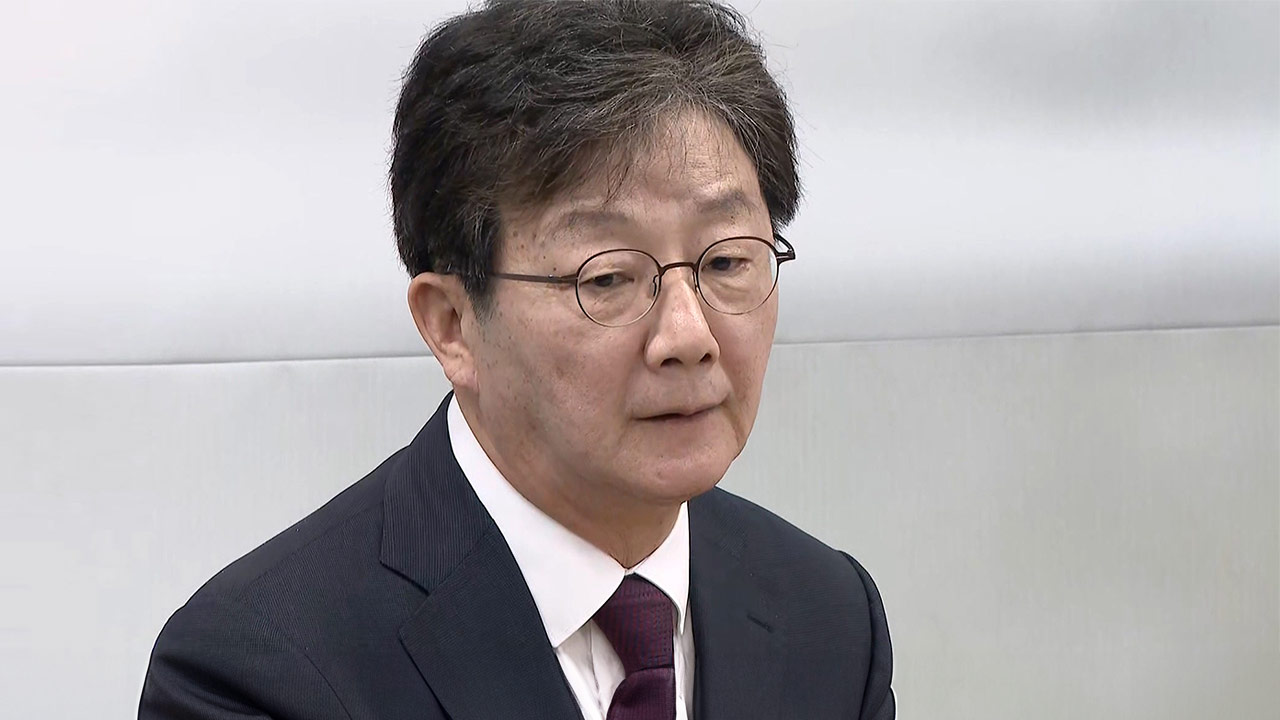
South Korean law enforcement officials have initiated an investigation into allegations of preferential hiring involving Yoo Dam, the daughter of former National Assembly member Yoo Seong-min, during her tenure at the University of Incheon. The Incheon Metropolitan Police Agency is currently reviewing claims that the hiring process for a research position held by Yoo in 2017 may have bypassed standard procedural requirements.
The investigation follows allegations that emerged regarding the circumstances surrounding Yoo Dam’s appointment at the university. According to reports from local authorities, the police are examining whether the recruitment process, which took place during her father’s active political career, adhered to the university’s internal regulations and fair hiring practices. The former lawmaker has denied any involvement in the hiring process, and police officials have stated that they are in the preliminary stages of gathering evidence to determine if any legal statutes were violated.
Background of the Allegations
The scrutiny centers on the 2017 appointment of Yoo Dam to a research-related role at the Incheon National University. Critics and political opponents have raised questions about whether the university extended special treatment to the daughter of a high-profile politician. Under South Korean law, public institutions are strictly regulated regarding hiring practices to ensure fairness and prevent nepotism, as outlined in the Public Service Ethics Act, which governs the conduct of public officials and their families to prevent conflicts of interest.
The Incheon Metropolitan Police Agency has confirmed they are reviewing documentation related to the university’s hiring committee and the specific criteria used to select candidates for the position in question. While the university has maintained that all hiring was conducted according to their standard operating procedures, the police investigation seeks to verify if those procedures were applied consistently to all applicants.
Legal Framework and Public Accountability
The investigation into preferential hiring, often referred to as “channeling” or “special treatment” in the South Korean political context, is a sensitive issue that frequently triggers public debate regarding institutional integrity. The Anti-Corruption and Civil Rights Commission serves as the primary body overseeing the enforcement of codes of conduct for public institutions. Any finding of impropriety could lead to administrative penalties for the university or further criminal investigations if evidence of bribery or coercion is discovered.
Yoo Seong-min, a prominent conservative politician and former presidential candidate, has faced various political challenges throughout his career. His legal representatives have not yet issued a formal statement regarding the specific police inquiries, though the former lawmaker has previously emphasized his distance from his family’s private employment matters. The police have not disclosed a specific timeline for the conclusion of their investigation, noting only that they are currently analyzing internal university communications and recruitment files.
Current Status of the Investigation
As of this week, the investigation remains in the investigative stage, with police focusing on whether any internal pressure was applied to university staff during the 2017 recruitment cycle. There have been no formal charges filed against Yoo Seong-min or his daughter at this time. The Korean National Police Agency typically requires a thorough review of personnel files before determining if a case warrants a formal referral to the prosecution.
The University of Incheon has not released a public statement since the police began their inquiries, but sources close to the administration suggest the school is cooperating with requests for information. The investigation highlights the broader focus in South Korea on ensuring that positions at state-funded universities remain merit-based and free from political influence.
What Happens Next
The next phase of the investigation will likely involve the questioning of university officials who served on the 2017 hiring committee. Investigators are looking to confirm whether the committee members were aware of the candidate’s familial connection and whether that knowledge influenced their decision-making process. The police have indicated that they will provide updates once the initial document review is completed and potential witnesses have been interviewed.

For those interested in tracking the official findings, the Incheon Metropolitan Police Agency periodically releases updates on ongoing investigations through their official press office. Further updates will be provided as the investigation progresses and if any formal legal actions are initiated by the investigative team.
We encourage readers to share their thoughts on this development in the comments section below. Stay tuned for further updates as this story develops.