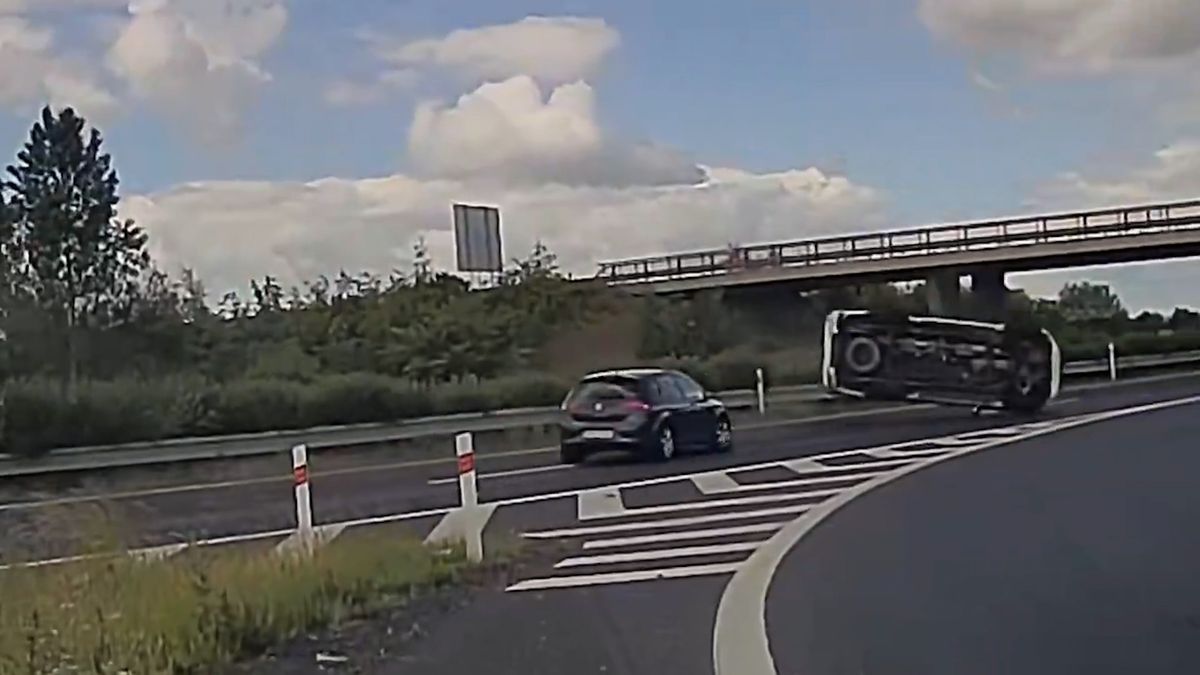
Czech traffic police have released footage of a high-speed collision on the D7 motorway to highlight the rising danger of road accidents during extreme heatwaves. Authorities report that the physical and mental toll of high temperatures significantly impairs driver reaction times, contributing to a measurable increase in traffic incidents across the Czech Republic during the current summer season. The video, which shows a vehicle veering sharply into a barrier, serves as a stark warning to motorists to adjust their driving habits when temperatures climb.
According to the Czech Police (Policie ČR), the incident on the D7 serves as a representative example of how quickly a lapse in concentration—exacerbated by cabin heat—can lead to severe consequences. Law enforcement officials emphasize that even short-duration travel during peak afternoon temperatures requires increased vigilance, frequent breaks, and proper hydration to maintain focus behind the wheel.
The Impact of Extreme Heat on Driver Performance
Medical experts and traffic safety analysts agree that high temperatures create a physiological burden on the human body. As the internal temperature of a vehicle rises, drivers often experience decreased cognitive function, increased fatigue, and a reduction in situational awareness. The BESIP department, which manages road safety in the Czech Republic, notes that heat-related exhaustion can mimic the symptoms of driving under the influence, including slower braking reaction times and difficulty maintaining lane position.
The D7 incident illustrates this risk, as the driver appeared to lose control on a straight section of the road. Police investigations into such crashes often point to a combination of “heat-induced fatigue” and the “tunnel vision” effect that occurs when a driver is physically uncomfortable. Experts suggest that keeping the vehicle’s cabin temperature between 20°C and 22°C is essential for maintaining optimal driver alertness, though many drivers struggle to achieve this in older vehicles without functional air conditioning systems.
Safety Recommendations for Summer Motoring
To mitigate the risks identified by the recent D7 footage, traffic authorities have issued a series of safety guidelines for drivers traversing the motorway network. The primary recommendation is to avoid long-distance travel during the hottest hours of the day, typically between 12:00 PM and 4:00 PM. If travel is unavoidable, the national police service recommends the following precautions:
- Hydration: Maintain a supply of water within reach and consume it regularly, even if not feeling thirsty.
- Frequent Breaks: Stop at least every two hours to stretch and allow the body to cool down outside the vehicle.
- Vehicle Maintenance: Ensure that cooling systems, tire pressure, and engine fluid levels are checked, as heat places additional stress on mechanical components.
- Ventilation: Use air conditioning effectively, but avoid extreme temperature differentials between the inside and outside of the vehicle to prevent thermal shock.
Trends in Summer Traffic Accidents
Statistical analysis from the Czech Statistical Office (ČSÚ) indicates that road accidents during the summer months often involve higher speeds and a greater number of passenger-loaded vehicles. While heat is rarely the sole cause of a crash, it acts as a significant “force multiplier” that makes minor errors in judgment far more lethal. The police warning regarding the D7 serves as a preventive measure aimed at curbing these seasonal spikes in casualty rates.
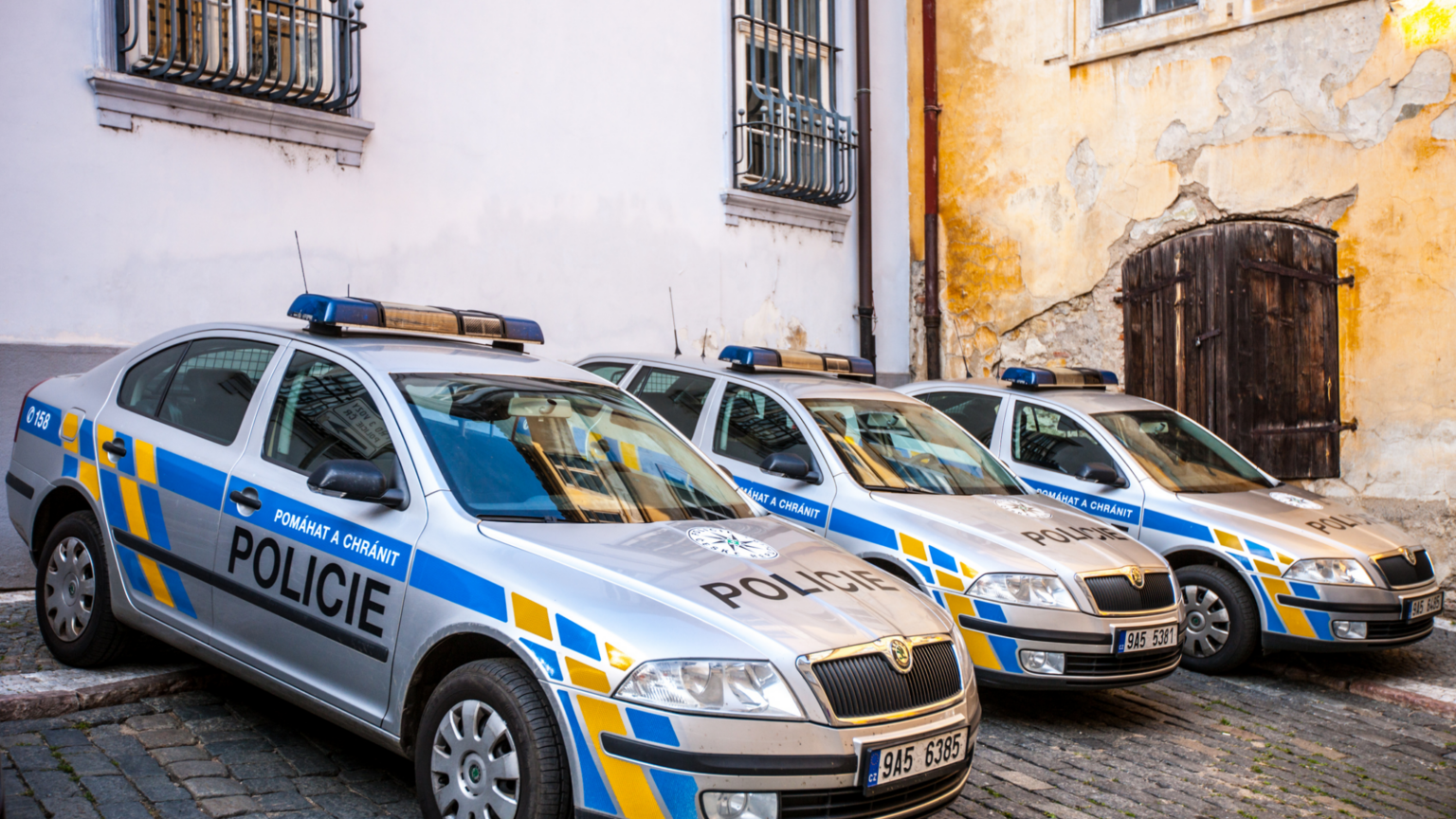
As summer continues, the police intend to increase patrols on major transit corridors like the D7 to monitor for aggressive driving and signs of driver fatigue. Officials have indicated that they will continue to release educational materials, including dashcam footage, to encourage public awareness of the dangers posed by environmental factors on the road.
Motorists are encouraged to monitor the official National Traffic Information Center (NDIC) website for real-time updates on road conditions, closures, and potential hazards before beginning any long-distance journey. For those who witness erratic driving or road accidents, authorities urge immediate reporting via the emergency number 158. The police will provide further updates on traffic safety campaigns as the summer season progresses.
Keep reading
- Graz: Cyclist Arrested for Sexually Harassing Women
- 3 US States to Execute Inmates on Same Day for First Time Since 2010
- UK Braces For Record-Breaking Heatwave (newsdirectory3.com)
- Dawn of War 4 Release Date Delayed: What to Expect from the Refining Process – Warhammer 40k Strategy Game Update” “Dawn of War 4 Launch Delayed: How the Game’s Delay Will Affect Fans – Warhammer 40k Strategy Game News” “Warhammer 40k Strategy Game Dawn of War 4 Delayed to Refine Experience Ahead of Release – Gaming News Update” “Dawn of War 4 Delayed: What the Delay Means for the Upcoming Warhammer 40k Game – Strategy Game Release News (archyworldys.com)