
The Questionable deterrence of Police Facial Recognition: A Critical Look
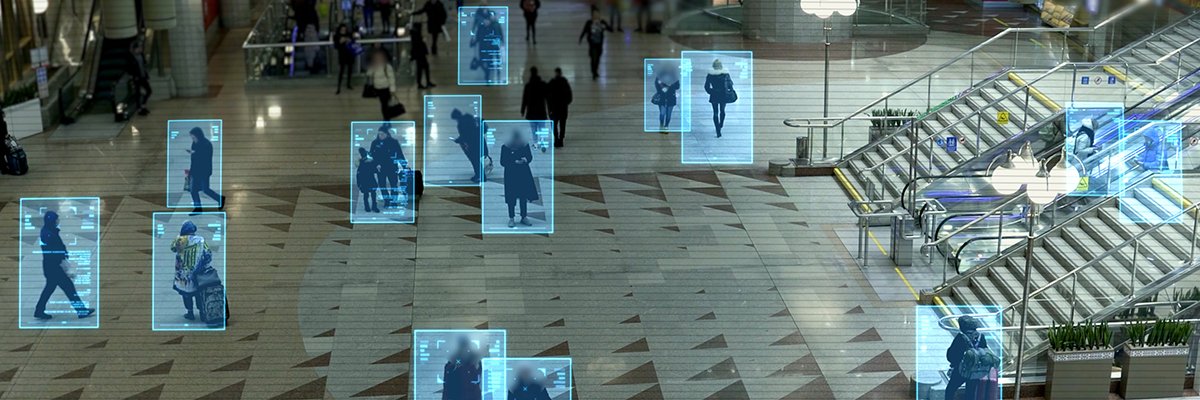
Facial recognition technology (LFR) is increasingly deployed by law enforcement agencies, often touted for its potential to deter crime and enhance public safety. however, a growing body of evidence challenges these claims, revealing a complex landscape where promised benefits often fail to materialize and significant risks to civil liberties remain. This article delves into the debate surrounding police facial recognition, examining the arguments for its use, the lack of supporting evidence, and the potential for erosion of fundamental rights.
The Claim of Deterrence: Is it Valid?
Senior police officers from the Metropolitan Police and South Wales Police have consistently highlighted a “deterrence effect” as a key advantage of LFR. They suggest that the presence of this technology can discourage individuals from engaging in criminal activity, creating a safer environment for everyone.
However, this assertion is facing increasing scrutiny.
Evidence Fails to Support Broad Deployment
Recent research paints a different picture. A comparative study analyzing LFR trials in London, Wales, Berlin, and Nice reveals a critical gap: a lack of concrete evidence demonstrating operational benefits.The study, published in Data and Policy, emphasizes that current trials often operate as “show trials,” designed to legitimize the use of invasive technology without sufficient public debate or rigorous evaluation.
Specifically, the research points to several shortcomings:
* Ignoring Socio-Technical Impacts: Trials haven’t adequately considered the broader societal consequences of deploying LFR.
* Lack of Rigorous Testing: Current testing methodologies fall short of establishing clear evidence of effectiveness.
* Commercial Influence: Reliance on commercially developed technologies that may not meet legal or constitutional standards is a growing concern.
A “Wild West” of Ungoverned Testing
Experts like Karen Yeung, a professorial fellow in law, ethics, and informatics at Birmingham Law school, and Wenlong Li, a research professor at Guanghua Law School, Zhejiang University, describe the current state of LFR testing in the UK and Europe as a largely ungoverned “Wild West.”
They argue that any evidence supporting the technology’s effectiveness must meet an “exceptionally high threshold” to justify its use, given the potential for interference with individual rights. Without a thorough accounting of its effects, they warn, we risk the “incremental and insidious removal” of the conditions that protect our freedoms.
What Does This Mean for You?
The implications of these findings are significant. If LFR isn’t demonstrably effective at deterring crime or improving public safety, its continued deployment raises serious questions about the balance between security and liberty. You deserve to know:
* Your rights are at risk: The use of LFR can lead to misidentification, biased targeting, and chilling effects on freedom of expression and assembly.
* Openness is crucial: You have a right to understand how this technology is being used, what data is being collected, and how it impacts your daily life.
* Accountability is essential: Law enforcement agencies must be held accountable for the responsible and ethical deployment of LFR.
Ultimately, the debate surrounding police facial recognition isn’t simply about technology; its about the kind of society you want to live in. A cautious,evidence-based approach is vital to ensure that the pursuit of security doesn’t come at the expense of fundamental rights and freedoms.





