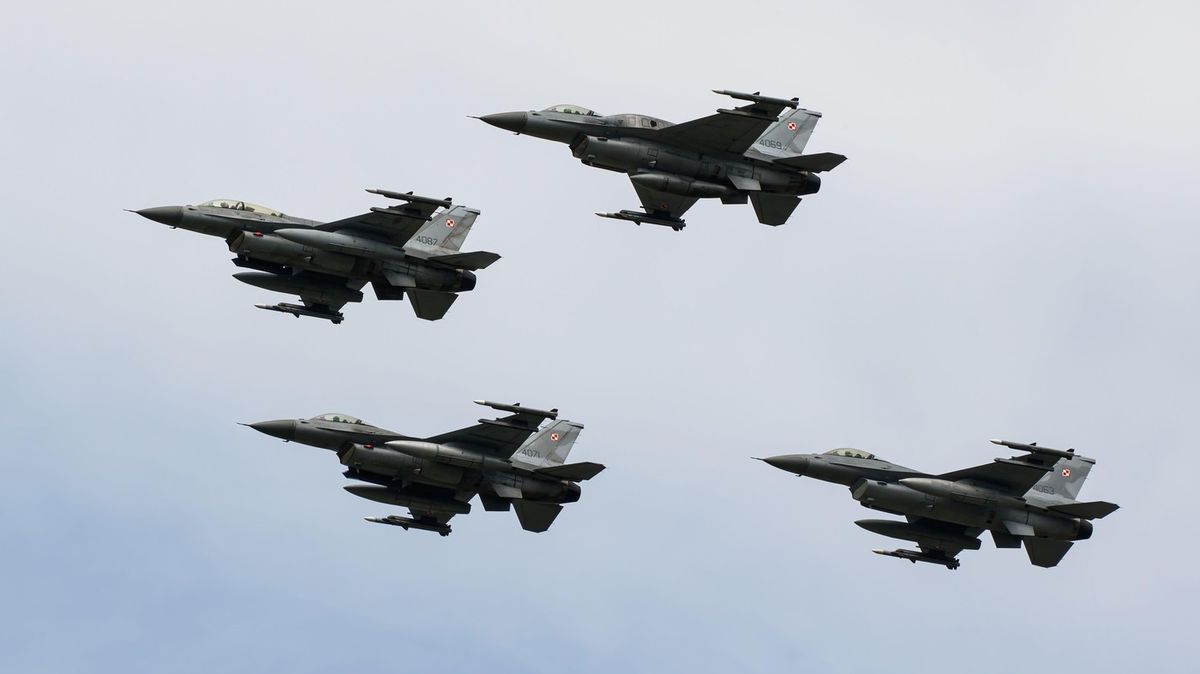
NATO Responds to Russian Attacks with Air Defense Activation
The security landscape over Eastern Europe shifted dramatically early Wednesday as Polish and allied air forces scrambled to intercept potential threats following a large-scale Russian aerial assault on Ukraine. The swift response, involving fighter jets and air defense systems, underscores the heightened tensions in the region and NATO’s commitment to safeguarding its member states’ airspace. The situation unfolded as Russia launched a barrage of attacks across Ukraine, targeting critical infrastructure and civilian areas, prompting air raid alerts nationwide.
The Polish Armed Forces announced the activation of its air defense procedures shortly after 4:00 AM local time, citing the activity of long-range Russian aviation conducting strikes on Ukrainian territory. According to a post on X (formerly Twitter), a pair of fighter jets and an early warning aircraft were deployed to secure Polish airspace. Ground-based air defense systems and radar reconnaissance also reached their highest level of readiness. This rapid deployment demonstrates a pre-planned and coordinated response to potential spillover effects from the conflict in Ukraine. The situation highlights the delicate balance between supporting Ukraine and ensuring the security of NATO’s eastern flank.
The operation in Polish airspace concluded around 7:00 AM, with systems returning to standard operational status, the Polish military reported. German fighter jets and Dutch-led ground-based air defense systems were also involved in the coordinated response. This collaborative effort showcases the interoperability and unified front presented by NATO allies in the face of Russian aggression. The activation of allied forces serves as a clear signal of deterrence, demonstrating a collective resolve to defend against any potential escalation of the conflict.
Escalation of Russian Attacks on Ukraine
The NATO response came amid a significant escalation of Russian attacks on Ukraine, with reports of missile and drone strikes targeting multiple cities, including Kyiv and those in western Ukraine. According to Ukrainian media outlet Ukrayinska Pravda, the attacks resulted in at least two injuries – a mother and child – in Kyiv. The intensity of the strikes prompted a nationwide air raid alert, forcing millions of Ukrainians to seek shelter. The attacks utilized a mix of ballistic missiles and drones, indicating a multifaceted approach by Russian forces.
Russian forces also targeted the Odesa region, striking critical energy infrastructure. Oleh Kiper, head of the Odesa Regional Military Administration, reported no casualties but indicated that assessments were underway to determine the extent of the damage. “Work is underway to assess the condition of energy facilities and eliminate the consequences,” Kiper stated on Telegram. This attack on critical infrastructure raises concerns about potential disruptions to essential services for Ukrainian civilians.
Further attacks were reported in cities such as Kropyvnytskyi, Mykolaiv and Poltava, with residents reporting explosions. RBK-Ukraine reported that Russian forces continued their offensive across multiple regions, intensifying the pressure on Ukrainian defenses. The widespread nature of the attacks suggests a deliberate attempt to overwhelm Ukrainian air defenses and disrupt logistical networks.
International Response and Concerns
The situation has drawn condemnation from international leaders and renewed calls for increased support for Ukraine. The activation of NATO air defenses underscores the growing concern that the conflict could potentially spill over into neighboring countries. Even as NATO has repeatedly stated its commitment to defending its member states, the current situation highlights the demand for continued vigilance and preparedness. The alliance’s swift response serves as a deterrent, but also underscores the inherent risks associated with the ongoing conflict.
The attacks come as Ukraine marks the third anniversary of the full-scale Russian invasion, a period marked by immense suffering and resilience. The ongoing conflict has resulted in a humanitarian crisis, with millions of Ukrainians displaced from their homes and widespread destruction of infrastructure. The international community continues to provide aid and assistance to Ukraine, but the scale of the challenge remains significant. The anniversary serves as a stark reminder of the human cost of the war and the urgent need for a peaceful resolution.
The European Union recently announced a €3.5 billion aid package for Ukraine, alongside plans to tighten sanctions against Russia, as reported by Reuters. This financial assistance is intended to support Ukraine’s economy and bolster its defense capabilities. The EU’s commitment to Ukraine reflects a broader international effort to counter Russian aggression and uphold the principles of sovereignty and territorial integrity.
Details of the NATO Response
The Polish military’s activation of its air defense systems involved the deployment of both Polish and allied assets. The specific types of aircraft involved included German fighter jets and Dutch-led ground-based air defense units. This coordinated response demonstrates the strong military cooperation within NATO and the alliance’s ability to rapidly deploy forces in response to emerging threats. The activation of air defense systems included radar surveillance and the readiness to intercept any potential incursions into Polish airspace.
The operation was triggered by the detection of Russian long-range aviation activity, specifically the launch of missiles and drones towards Ukraine. The Polish military’s statement emphasized the preventative nature of the deployment, aimed at ensuring the security of Polish airspace. The swift response was intended to deter any potential escalation and reassure the Polish population. The activation of NATO forces serves as a clear message to Russia that any aggression towards a member state will be met with a firm and unified response.
The Polish Armed Forces communicated updates on the situation through its official X account, providing real-time information on the deployment of forces and the status of the operation. This transparency helped to inform the public and dispel any potential misinformation. The use of social media as a communication tool underscores the importance of rapid and accurate information dissemination in times of crisis.
The situation remains fluid, and further developments are expected in the coming hours and days. NATO continues to monitor the situation closely and is prepared to take further action if necessary. The ongoing conflict in Ukraine poses a significant challenge to European security, and the international community must remain united in its support for Ukraine and its commitment to upholding international law. The next key development will likely be a formal statement from NATO headquarters outlining its assessment of the situation and any further measures being considered.
What are your thoughts on the escalating tensions in Eastern Europe? Share your comments below and help us continue the conversation.