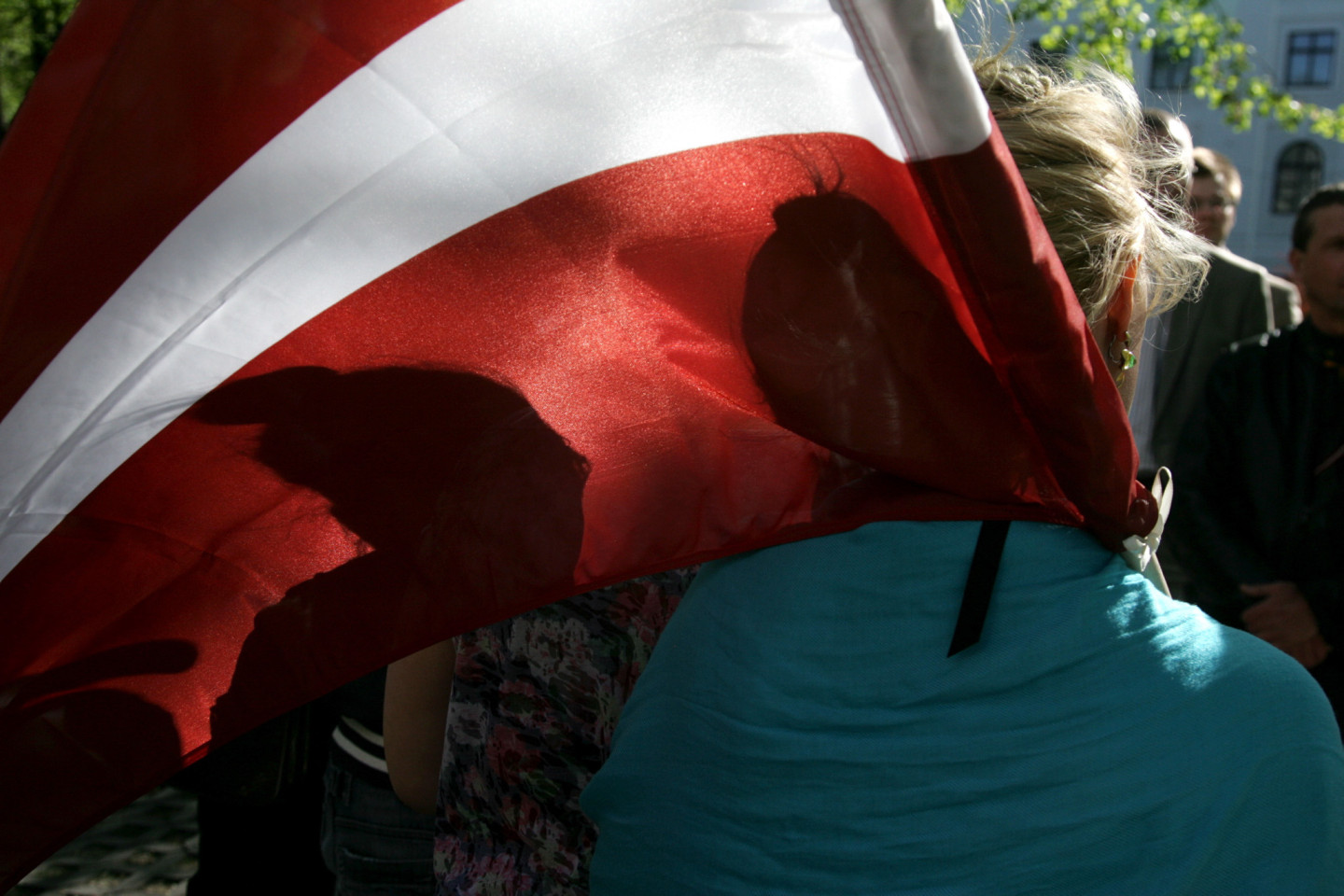
On April 20, 2026, the Polish state-funded Eastern Studies Centre (OSW) published an assessment of Poland’s economic and political situation in Latvia, warning that without fundamental reforms, Latvia risks falling into stagnation. The report, titled “Latvia’s Painful Achievements: State Weakness in the Face of Polarization,” was authored by Dmitrijs Suļžics and highlighted concerns over Latvia’s current trajectory amid regional geopolitical shifts.
The analysis underscores Latvia’s ongoing challenges in balancing economic resilience with political cohesion, particularly as it navigates post-energy-transition realities following its disconnection from the Russian integrated energy grid and integration into the European single energy market. According to the OSW publication, structural weaknesses in governance and growing societal polarization could undermine long-term stability if not addressed through decisive reform measures.
Latvian President Edgars Rinkēvičs, during a state visit to Poland in February 2026, emphasized Poland’s strategic importance to Latvia, describing it as Latvia’s “physical gateway to Europe.” Speaking alongside Polish President Andrzej Duda, Sejm Marshal Szymon Hołownia, and Senate Marshal Małgorzata Kidawa-Błońska, Rinkēvičs highlighted joint efforts in energy security, defense cooperation, and economic partnership, noting Poland’s significant contribution to Ukraine’s defense since the outset of the conflict.
He specifically acknowledged the presence of Polish multinational NATO battlegroups stationed in Latvia as a key factor in strengthening regional deterrence and affirming Poland’s role as a reliable ally. The two leaders also participated in a flower-laying ceremony at an unknown soldier’s resting place, symbolizing the deepening bilateral ties over the past decade since Duda assumed the Polish presidency.
Beyond defense, Rinkēvičs pointed to growing tourism ties, noting that Polish tourists consistently rank among the top foreign visitors to Latvia. He also underscored the importance of continued collaboration in trade and investment, positioning Poland as one of Latvia’s leading economic partners in the Baltic region.
The OSW report further elaborates on internal challenges within Latvia, citing declining public trust in state institutions and increasing ideological divides that hinder consensus-building on critical reforms. It warns that without addressing these issues—particularly in public administration, judicial independence, and social cohesion—Latvia may struggle to attract investment or maintain competitiveness in innovation-driven sectors.
Analysts at the Eastern Studies Centre suggest that Latvia’s small economy and open borders make it especially vulnerable to external pressures, necessitating proactive domestic reforms to preserve sovereignty and resilience. They recommend prioritizing transparency in governance, depoliticizing key institutions, and fostering inclusive dialogue to counteract polarization.
While the report does not propose specific policy prescriptions, it frames its findings as a call to action for Latvian policymakers to reassess national priorities in light of evolving security dynamics and economic realities. The authors stress that timely intervention could prevent deeper structural decline and reinforce Latvia’s position as a stable, democratic actor in Northeastern Europe.
As of April 21, 2026, no official response has been issued by the Latvian government regarding the OSW assessment. The next scheduled opportunity for official commentary is expected during the upcoming Baltic Sea Region summit in Riga, set for June 2026, where leaders from Estonia, Latvia, Lithuania, Finland, Sweden, Denmark, Germany, and Poland are slated to discuss regional cooperation on security, energy, and infrastructure.
For ongoing updates on Latvia-Poland relations and regional security developments, readers are encouraged to follow official communications from the Ministry of Foreign Affairs of Latvia and the Presidential Chancellery of the Republic of Poland.