
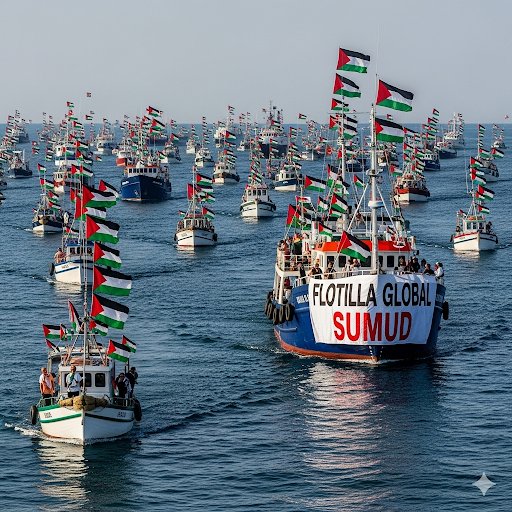
The international legal and diplomatic response to the recent interception of the Global Sumud Flotilla has intensified, as various nations evaluate the treatment of their citizens detained by Israeli authorities. Following the interception of the flotilla—which consisted of approximately 22 vessels and roughly 175 activists—in international waters near Crete, the detention and subsequent deportation of participants have prompted scrutiny from rights organizations and government offices alike, as reported by the BBC.
The incident, which occurred in early May 2026, resulted in the detention of several activists, including Brazilian national Thiago Ávila and Spanish national Saif Abu Keshek, who were transported to Israel. While the majority of the activists were released in Crete, the two men were held for approximately one week in the southern Israeli city of Ashkelon before being deported. The legal organization Adalah, which represented the detained activists, has characterized the proceedings as lacking a legitimate legal basis, alleging that the detention was intended to penalize the participants for challenging the naval blockade on Gaza.
Legal Challenges and Allegations of Mistreatment
The detention of international activists has become a focal point for human rights advocates who argue that the actions taken by Israeli authorities violated established international law. According to documentation provided by Adalah, the activists were subjected to what the group described as psychological abuse during their time in custody. Specific claims made by the organization include allegations of prolonged interrogations, the use of constant bright lighting in cells, isolation, and the practice of blindfolding detainees during transfers, even when such transfers were for medical examinations.
In response to these allegations, the Israeli foreign ministry has maintained that the actions taken were consistent with their enforcement of the naval blockade on Gaza. The ministry denied claims of ill-treatment, stating in a public announcement on X that the investigation into the activists had been completed before their deportation. Israel had previously indicated that its authorities suspected the detainees of involvement in illegal activities or, in the case of Abu Keshek, alleged links to a terrorist group—allegations that the activists have consistently denied.
Diplomatic and Judicial Scrutiny
The situation has transcended the initial interception, evolving into a series of investigations by international legal bodies. As governments assess the treatment of their nationals who were aboard the flotilla, the focus remains on the legality of the interception in international waters and the conditions reported during the period of detention. While official investigations are underway in various jurisdictions, the core of the debate centers on the balance between national security enforcement and the rights of international activists operating in maritime environments.
For observers and those following the developments, the primary point of contention remains the discrepancy between the official justifications provided by Israeli authorities and the accounts provided by those detained. The Reuters reporting on the release and deportation of the activists highlights the ongoing tension between these opposing perspectives, with governments such as Spain and Brazil expressing concerns regarding the lawfulness of the detention.
What Happens Next
As of June 3, 2026, the international community awaits further details regarding the scope and findings of the various legal probes into the treatment of the flotilla participants. While the initial deportation of the activists has been completed, the broader legal questions regarding the interception of the Global Sumud Flotilla remain active. Future updates are expected as national prosecutors and international human rights monitors continue to review the evidence and testimonies gathered from the participants.
We will continue to provide updates on this developing story as more information becomes available from official legal filings and diplomatic statements. If you have further insights or wish to discuss the implications of these events, we invite you to share your thoughts in the comments section below.