
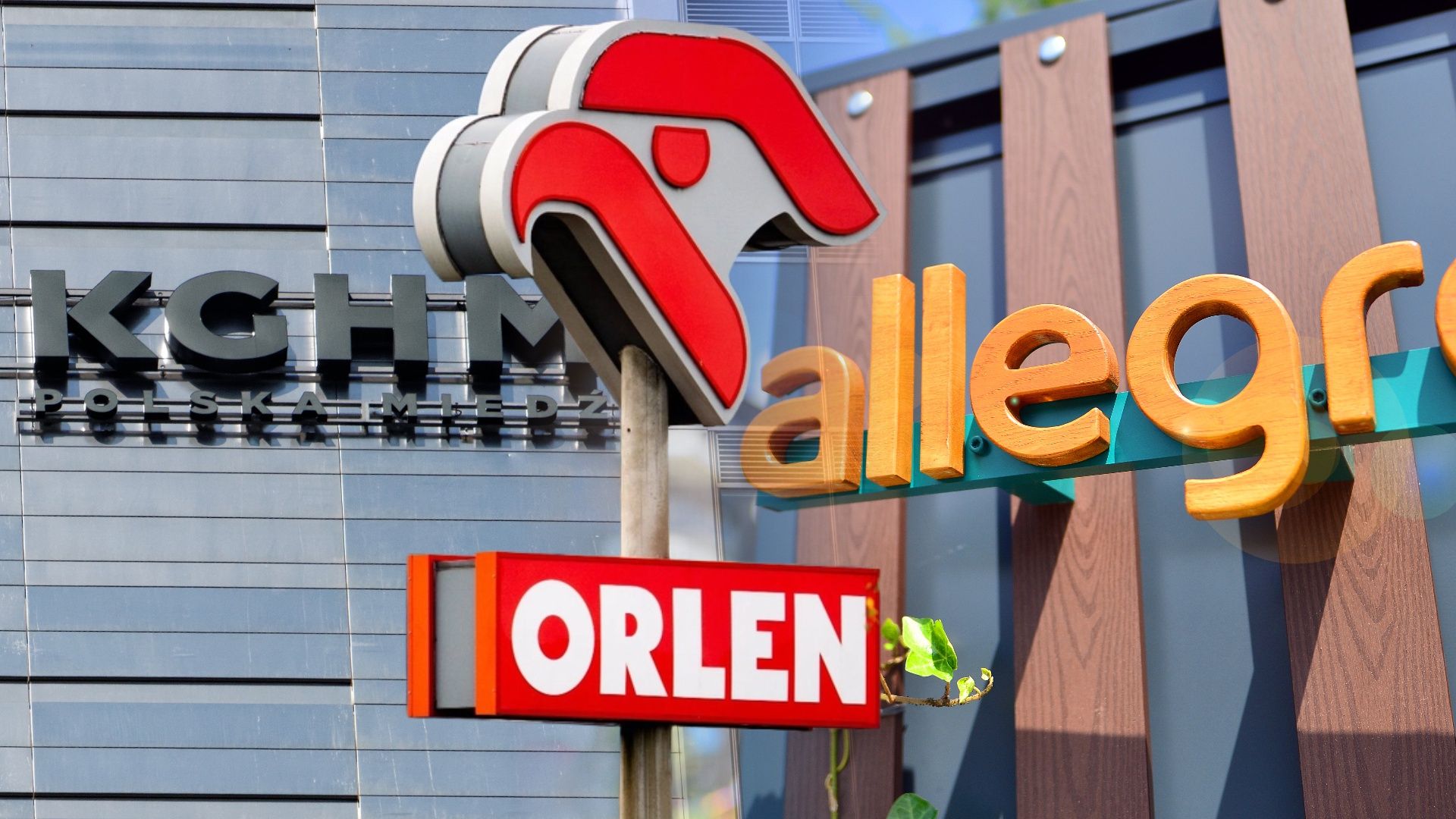
The Warsaw Stock Exchange (GPW) has experienced significant volatility, with major blue-chip companies driving a downward trend across the WIG20 index. Recent market sessions have seen heavy selling pressure on industry leaders, including KGHM, Orlen, and Allegro, as investors react to shifting monetary policy expectations and broader macroeconomic uncertainty in Central Europe. According to data from the Warsaw Stock Exchange, the index remains sensitive to interest rate speculation and regional economic indicators.
The recent market performance underscores a broader trend where investors are recalibrating portfolios amid concerns regarding the path of interest rates. While some market segments have shown resilience, the heavyweights that anchor the WIG20 have faced sharp, concentrated selling pressure. This correction highlights the ongoing struggle between inflationary pressures and the potential for central bank intervention to stabilize the domestic currency and broader financial environment.
Market Drivers and Investor Sentiment
Market analysts note that the current correction is largely driven by a pivot in investor sentiment toward higher interest rate environments. When central banks signal that borrowing costs may remain elevated for longer than previously anticipated, equity markets—particularly those with high exposure to capital-intensive industries—often face downward pressure. The National Bank of Poland maintains a critical role in this dynamic, as its monetary policy decisions directly influence the cost of capital for the very corporations currently seeing their valuations drift lower.

This shift in sentiment has been exacerbated by global market trends where “risk-off” behavior has become more prevalent. Even in instances where geopolitical tensions show signs of easing through diplomatic channels, equity markets have continued to prioritize fiscal data over political headlines. Investors are effectively “pricing in” a tighter monetary environment, which historically compresses the price-to-earnings multiples of large-cap stocks.
Performance of WIG20 Heavyweights
The impact of this market shift is most visible in the performance of the WIG20’s largest constituents. Companies that rely heavily on commodity pricing and consumer spending have seen the steepest declines. For instance, KGHM Polska Miedź, a global leader in copper and silver production, has experienced notable volatility, with its stock price reacting sharply to both global commodity price fluctuations and local currency strength. Similarly, PKN Orlen, the region’s largest energy group, has faced selling pressure as energy sector margins face scrutiny in a slowing economic cycle.

Other major players, including Allegro, the e-commerce giant, have also struggled to maintain momentum. Analysts attribute this to a combination of rising operational costs and a cooling consumer retail environment. The divergence between these declining giants and niche performers—such as specific logistics or specialized retail firms that have occasionally bucked the trend—illustrates a market that is becoming increasingly selective. Investors are shifting focus from broad index exposure to specific balance sheet strength.
Economic Context and Future Outlook
Understanding the current volatility requires a look at the broader macroeconomic indicators influencing the Polish economy. Inflation levels and the pace of GDP growth are the primary metrics currently monitored by institutional investors. According to the Statistics Poland (GUS), domestic economic activity remains a key determinant for the long-term outlook of the GPW. If domestic demand fails to show sustained recovery, large-cap firms that rely on the local consumer base may continue to face valuation headwinds.
Looking ahead, the market is awaiting the next round of policy announcements from the Monetary Policy Council. Any deviation from the expected path of interest rates could trigger a swift revaluation of the WIG20. Market participants are advised to monitor official communications from the central bank and quarterly earnings reports from WIG20 constituents to gauge whether these current price levels represent a bottom or a precursor to further correction.
Frequently Asked Questions
What is the primary cause of the recent decline on the Warsaw Stock Exchange?
The decline is largely attributed to investor anticipation of higher interest rates, which increases the cost of capital and lowers the attractiveness of equity investments compared to fixed-income assets.

Which sectors are most affected by the current volatility?
The most significant impact has been felt by large-cap “blue-chip” companies in the energy, mining, and retail sectors, as these are highly sensitive to both macroeconomic changes and consumer demand.
How can investors stay informed about upcoming market shifts?
Investors should regularly consult official filings and data from the Warsaw Stock Exchange, as well as monetary policy updates provided by the National Bank of Poland, to track the factors most likely to influence future index performance.
The next major checkpoint for the market will be the upcoming monetary policy meeting, where the central bank is expected to provide further clarity on its interest rate strategy. Investors and analysts alike are encouraged to stay tuned for official releases. We invite our readers to share their analysis of the current market climate in the comments section below.