
Germany Moves Towards a More Equitable Fertilizer System
Berlin, Germany – The German federal cabinet has approved changes to the country’s fertilizer law, aiming to establish a system more closely aligned with the “polluter pays” principle, particularly in areas burdened by high nitrate levels. The move, announced on Wednesday, April 29, 2026, by the Federal Ministry of Food and Agriculture (BMLEH), seeks to create a more streamlined and practical monitoring system for fertilizer regulations.
Federal Minister of Agriculture, Nutrition and Homeland, Alois Rainer, presented the draft legislation, which received cabinet approval. “After we abolished the bureaucratic monster of material flow balances, we are now laying the foundation for monitoring that is as bureaucracy-free and practical as possible,” Minister Rainer stated. According to a press release from the BMLEH, the current system placed unnecessary burdens on many farms. The proposed changes aim to relieve farms that operate responsibly while holding those contributing to groundwater pollution more accountable.
The amendment to the fertilizer law is part of a multi-stage overhaul intended to future-proof German fertilizer legislation. The planned nationwide monitoring system will allow for assessment of the impact of fertilization measures on water quality and will enable a review of the effectiveness of the Fertilizer Ordinance.
Addressing Nitrate Pollution and the “Polluter Pays” Principle
Nitrate pollution in groundwater has been a longstanding concern in Germany, prompting increased scrutiny of agricultural practices. The revised fertilizer law is a direct response to a court ruling compelling the government to implement a more effective action plan to protect groundwater resources. As reported by Agrarheute, the ruling stemmed from a case brought by the Deutsche Umwelthilfe (DUH), highlighting the need for stricter measures to reduce nitrate contamination.

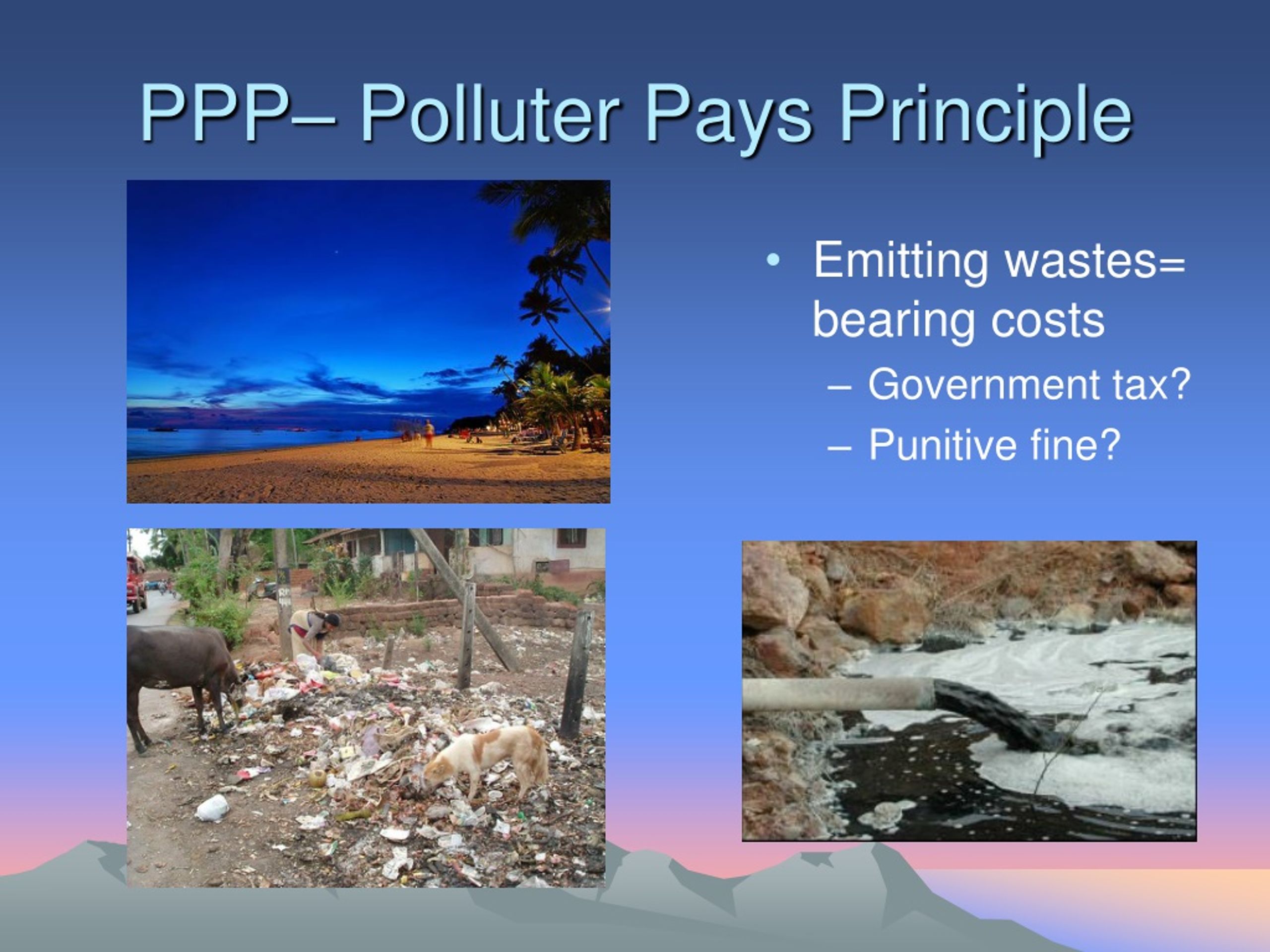
The core principle driving the changes is the “polluter pays” principle, meaning that those whose activities contribute to environmental damage should bear the costs of remediation. The BMLEH intends to establish a data-driven system that identifies farms employing water-friendly practices, offering them relief from administrative burdens. Conversely, farms contributing to groundwater pollution will face increased scrutiny and potential penalties.
The recent monitoring system is designed to provide the necessary data to establish this system. Minister Rainer emphasized that the goal is to create a system that is both effective and manageable for farmers, moving away from complex and time-consuming reporting requirements.
Details of the Proposed Monitoring System
The amendment to the fertilizer law will establish the legal basis for the monitoring required by the Fertilizer Ordinance. The specifics of the monitoring system are still under development, but the BMLEH has indicated that it will focus on assessing the impact of fertilization practices on water quality. wwt-online.de reports that the monitoring will aim to create a data foundation for strengthening the “polluter pays” principle in Germany.
The move follows the abolition of the “Stoffstrombilanz” (material flow balance), a previously required reporting system that was widely criticized for its bureaucratic complexity. The new system is intended to be less burdensome for farmers while still providing the necessary data for effective environmental protection.
The German government views this legislative change as a crucial step towards fulfilling commitments made in the coalition agreement. Minister Rainer stated that the changes send a strong signal to Europe, demonstrating Germany’s commitment to addressing nitrate pollution and promoting sustainable agricultural practices.
Reactions and Next Steps
The announcement of the amended fertilizer law has elicited a range of responses from agricultural organizations. While some have expressed concerns about potential additional regulations, others have welcomed the move towards a more equitable and practical system. The details of how the monitoring system will be implemented and enforced will be crucial in determining its ultimate success.
The Deutsche Umwelthilfe (DUH) has already taken legal action, filing a motion for enforcement against the federal government to ensure the effective implementation of measures to protect groundwater. This underscores the urgency and importance of the issue.
The draft legislation will now move to the German parliament for further debate and approval. The timeline for parliamentary consideration and final enactment of the law remains to be seen. Following parliamentary approval, the BMLEH will be responsible for developing and implementing the detailed regulations for the new monitoring system.
Key Takeaways
- The German federal cabinet has approved changes to the fertilizer law to align with the “polluter pays” principle.
- The new law aims to simplify monitoring requirements for farmers while increasing accountability for those contributing to nitrate pollution.
- The changes are part of a broader effort to future-proof German fertilizer legislation and fulfill commitments made in the coalition agreement.
- The Deutsche Umwelthilfe has filed a motion for enforcement to ensure effective implementation of groundwater protection measures.
The next step in the process is parliamentary debate and approval of the draft legislation. Readers interested in following the progress of the bill can find updates on the BMLEH website: www.bmleh.de. We encourage readers to share their thoughts and perspectives on this key issue in the comments below.
Related reading