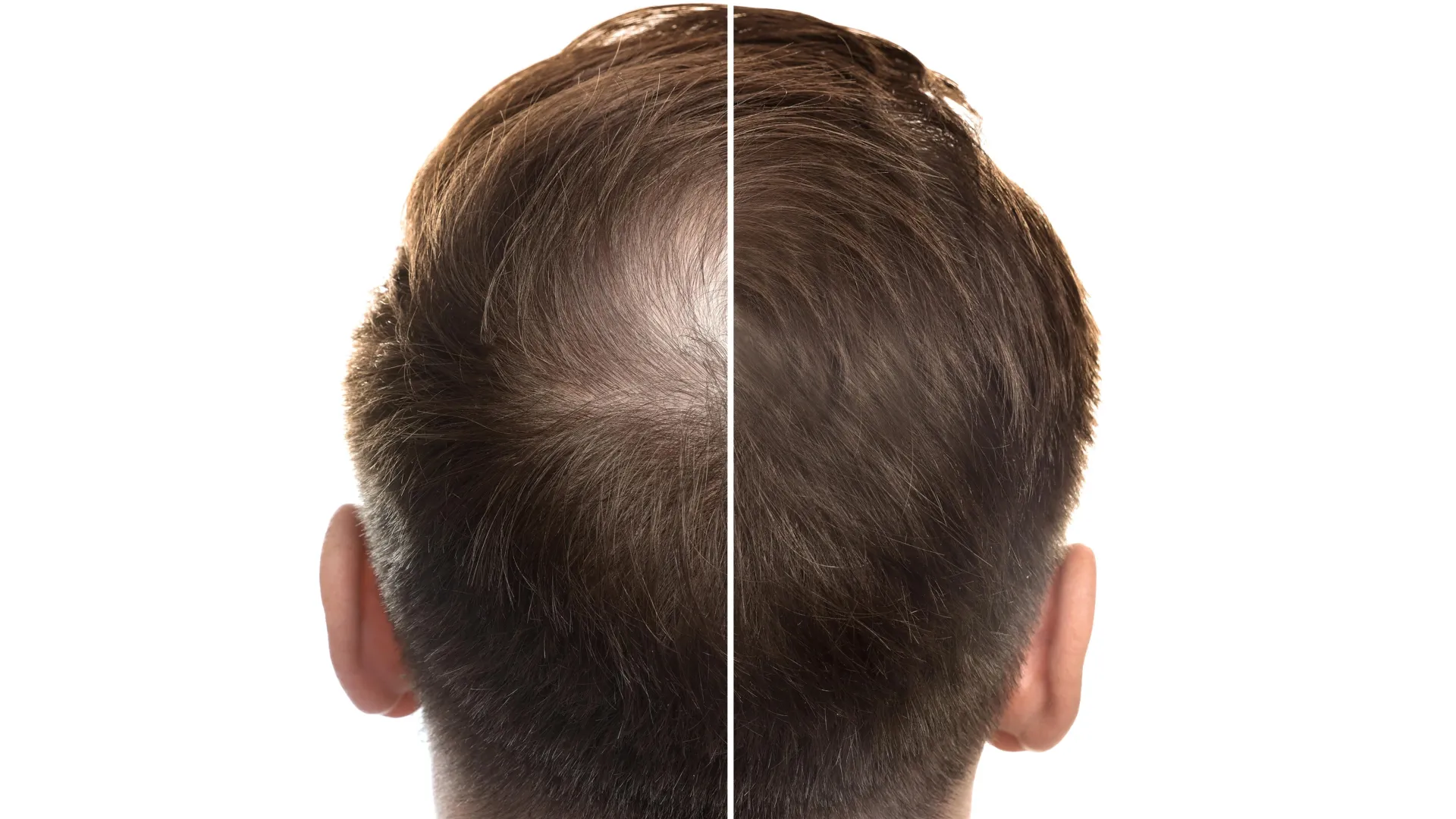
Researchers are increasingly examining Polygonum multiflorum, a root utilized for centuries in Traditional Chinese Medicine, for its potential role in addressing androgenic alopecia, or pattern hair loss. A recent scientific review published in the Journal of Holistic Integrative Pharmacy suggests that the herb may assist in slowing hair shedding and encouraging regrowth, drawing interest from both the botanical and dermatological communities.
For the approximately 30 million women in the United States currently affected by female pattern hair loss, the search for effective, comfortable treatment options remains a priority. While established medical interventions such as minoxidil and finasteride are widely available, ongoing research into alternative remedies like Polygonum multiflorum offers a look into how traditional practices might intersect with modern hair biology, according to coverage in Women’s Health.
Understanding the Biological Mechanism
The primary interest in Polygonum multiflorum—often referred to in botanical literature as a genus within the knotweed family, Polygonaceae—stems from its potential impact on the hair growth cycle. Scientific investigations have explored whether extracts from the plant can influence the duration of the anagen phase, the active growth stage of hair follicles. According to research published in the National Center for Biotechnology Information, data suggests that these extracts may support hair growth by extending the duration of the anagen phase while delaying the progression into the catagen, or regression, phase.
Dermatologists suggest that while the science surrounding this ancient herb is evolving, there may be clinical relevance to its traditional use. Experts such as Dr. Cindy Wassef of Premier Health Associates and Dr. Cynthia Bailey, a diplomate of the American Board of Dermatology, have highlighted the importance of understanding both the potential benefits and the safety profile of such natural remedies before patients incorporate them into their personal care regimens. As with many herbal supplements, the transition from traditional use to clinical application requires rigorous scrutiny regarding safety and efficacy.
Botanical Context and Usage
The genus Polygonum is broad, encompassing approximately 130 species of flowering plants typically found in northern temperate regions. Historically, these plants have been categorized as annual or perennial herbaceous species. In the context of Traditional Chinese Medicine, the specific root of Polygonum multiflorum has long been associated with claims of darkening hair and enhancing its overall appearance. This historical usage provides the foundation for the current scientific inquiries attempting to bridge the gap between ancient herbal lore and contemporary dermatological science.
Because the genus is diverse—ranging from prostrate herbaceous annuals to more substantial perennial plants—researchers emphasize the necessity of precise botanical identification when studying these species. The plant is characterized by its branched stems and membranous ochrea, a sheath surrounding the stem nodes. Differentiating between the various species within the Polygonaceae family is essential for ensuring that the specific chemical constituents responsible for potential therapeutic effects are correctly identified and isolated.
Safety and Professional Guidance
For those considering the use of Polygonum multiflorum, dermatologists emphasize the necessity of professional consultation. While the prospect of a natural treatment for hair loss is compelling, the safety of ingestible or topical herbal remedies is a primary concern for medical practitioners. Patients are encouraged to discuss these options with their healthcare providers to avoid potential interactions or adverse effects, especially given the lack of robust, large-scale clinical trials compared to conventional FDA-approved treatments.
As the scientific community continues to evaluate the role of Polygonum multiflorum in treating androgenic alopecia, future updates will likely focus on standardized extraction methods and long-term safety studies. Readers interested in the latest developments in dermatological research and hair health are encouraged to follow official updates from medical societies and peer-reviewed journals. We invite our readers to share their thoughts or experiences with exploring integrative medicine in the comments section below.
- Actress Cha Joo-young Shares Relaxing Japan Vacation Photos After Nosebleed Surgery
- DOJ Shifts Olmstead Enforcement: What It Means for HCBS Providers
- Vietnam Sends Top Students to 2026 Asian Science Camp (archynewsy.com)
- MotoGP British GP: Five Riders Battle in Closest Title Fight in History (time.news)