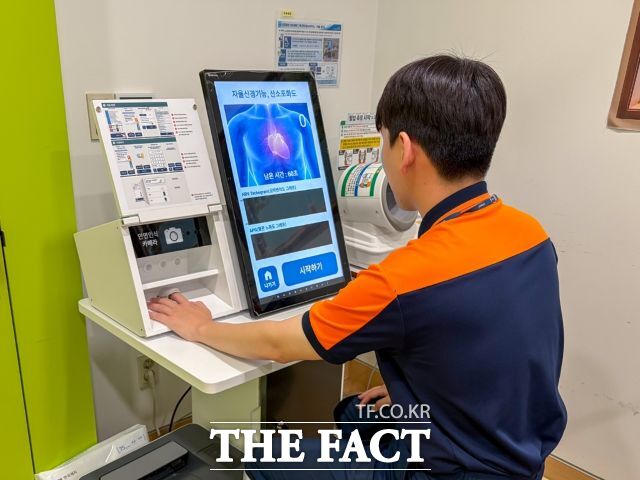
POSCO’s Gwangyang Steelworks is integrating artificial intelligence to monitor the sleep health of its workforce, specifically targeting sleep apnea and related disorders. By using AI to analyze physiological data such as brainwaves and oxygen levels, the company aims to reduce industrial accidents and improve the long-term health of its shift workers.
The initiative follows a growing trend in heavy industry where corporate competitiveness is increasingly linked to the physical and mental well-being of employees. At the Gwangyang facility, the implementation of AI-driven health management is intended to move beyond reactive medical care toward proactive, data-driven prevention, particularly for staff working irregular shifts.
How is AI being used to monitor employee health at Gwangyang Steelworks?
According to recent company announcements, the Gwangyang Steelworks is utilizing artificial intelligence to interpret complex biological signals that indicate sleep disorders. The technology focuses on identifying patterns in data that human observation might miss, particularly during the nocturnal hours when employees are at rest.
The AI systems are designed to process data from polysomnography—a comprehensive sleep study—to detect irregularities in a worker’s breathing and neurological activity. By automating the analysis of these signals, the facility can more accurately identify individuals at high risk for sleep apnea, a condition where breathing repeatedly stops and starts during sleep.
This technological shift aims to address the specific physiological stressors inherent in steel manufacturing. Because the facility operates on a continuous basis, many employees are required to work rotating shifts, which can disrupt the body’s natural circadian rhythms. The AI integration allows the company to monitor how these shifts affect the biological health of the workforce and provide targeted medical interventions before health issues escalate into workplace safety incidents.
Why is sleep apnea a significant risk for industrial workers?
Sleep apnea presents a direct threat to industrial safety due to its impact on cognitive function and physical alertness. When a worker suffers from obstructed breathing during sleep, their blood oxygen levels drop, and their brain is repeatedly jolted out of deep sleep stages to resume breathing. This cycle leads to chronic sleep deprivation and daytime sleepiness.
In a high-stakes environment like a steelworks, where employees operate heavy machinery and manage high-temperature processes, the symptoms of sleep apnea can be catastrophic. Medical experts note that the primary risks include:
- Microsleeps: Brief, involuntary moments of sleep that can occur while a worker is performing a task, leading to immediate loss of control over equipment.
- Reduced Cognitive Processing: Impaired decision-making capabilities and slower reaction times, which are critical when managing industrial emergencies.
- Long-term Cardiovascular Strain: Untreated sleep apnea is linked to hypertension, heart disease, and stroke, which can lead to sudden medical emergencies on the factory floor.
By identifying these risks through AI-assisted monitoring, Gwangyang Steelworks aims to mitigate the likelihood of accidents caused by fatigue or sudden health failures.
What role does polysomnography play in detecting sleep disorders?
Polysomnography serves as the gold standard for diagnosing sleep disorders. It is a multi-parameter test that records several different physiological signals simultaneously to provide a complete picture of a patient’s sleep architecture. For industrial workers, this test is essential for distinguishing between simple insomnia and more dangerous conditions like obstructive sleep apnea (OSA).
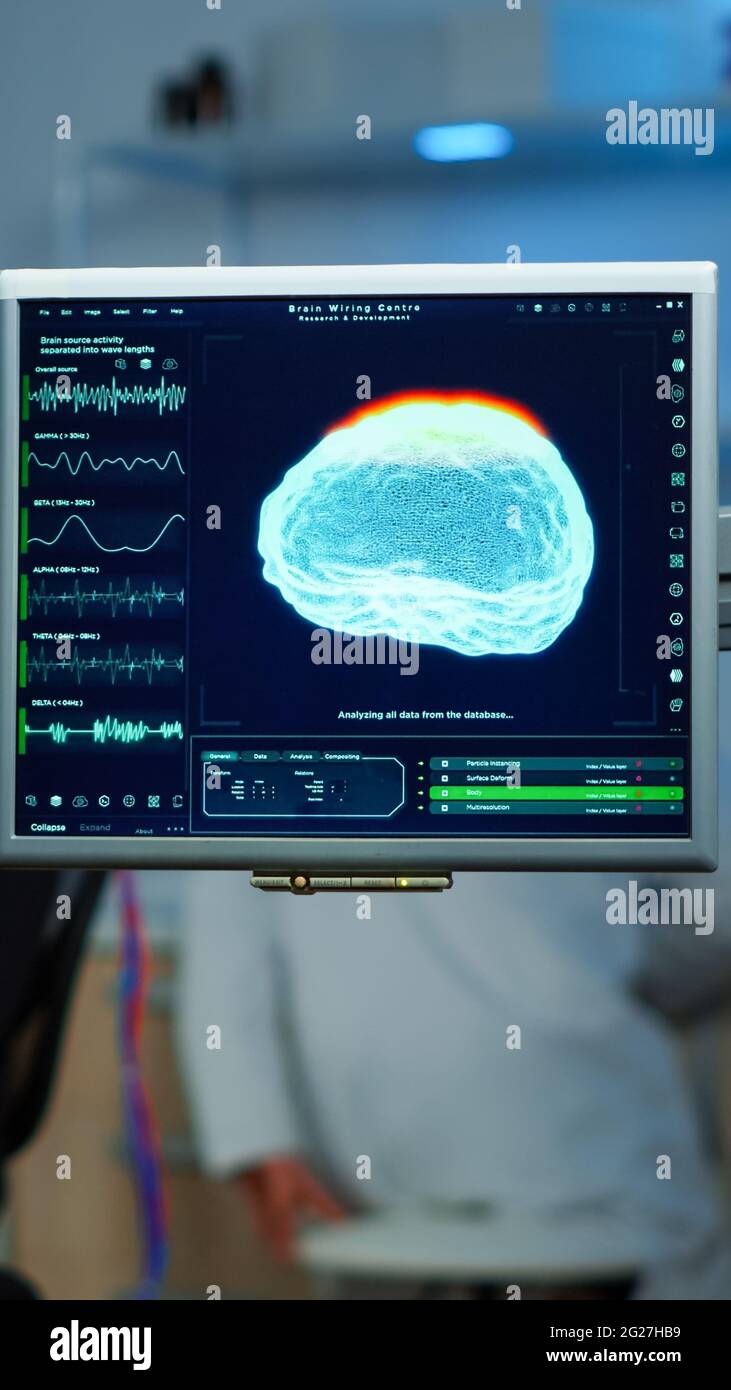
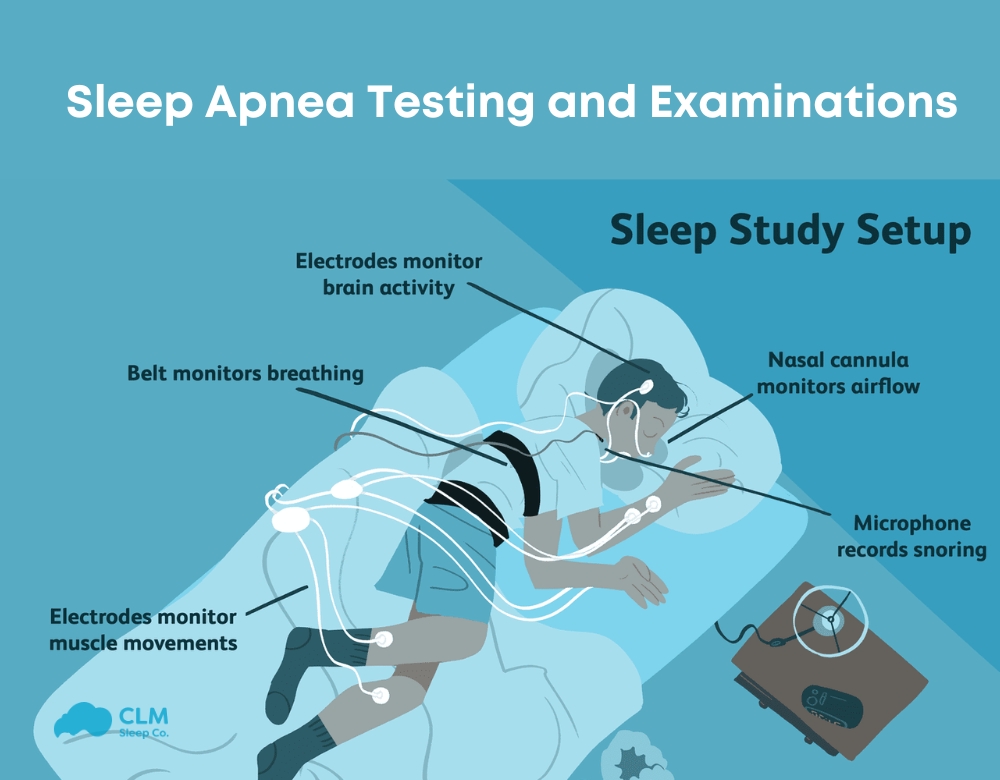
The testing process typically involves the following components:
Neurological Monitoring (EEG): Electroencephalogram (EEG) sensors are placed on the scalp to measure brainwave activity. This allows clinicians to determine which stages of sleep a person is entering—such as REM (Rapid Eye Movement) or deep slow-wave sleep—and how often they are being interrupted.
Respiratory and Oxygen Analysis: The test monitors airflow through the nose and mouth, as well as chest and abdominal movements. Simultaneously, pulse oximetry measures oxygen saturation in the blood. A significant drop in oxygen levels is a primary indicator of apnea events.
Physical Movement and Heart Rate: Sensors track eye movements, muscle tension (EMG), and heart rhythms (ECG). These metrics help identify periodic limb movements or arrhythmias that may be contributing to fragmented sleep.
The integration of AI at Gwangyang allows for the rapid processing of these massive datasets. While traditional polysomnography requires manual review by a sleep specialist, AI can scan hours of recordings to flag specific timestamps where oxygen desaturation or respiratory pauses occur, significantly speeding up the diagnostic pipeline.
How does shift work impact the biological health of steelworkers?
The nature of steel production requires 24-hour operations, necessitating a large workforce of shift workers. This lifestyle creates a fundamental conflict with the human biological clock. The circadian rhythm, which regulates sleep-wake cycles, is heavily influenced by light exposure and consistent routine.
Shift work disorder (SWD) is a recognized medical condition among industrial employees. It is characterized by excessive sleepiness during work hours and insomnia during intended sleep periods. For workers at Gwangyang, the constant rotation of schedules can lead to a permanent state of “social jetlag,” where the body’s internal clock is never fully synchronized with the external environment.
This disruption does more than cause tiredness; it alters metabolic functions and hormonal balance. Chronic disruption of the circadian rhythm has been linked to increased risks of obesity, type 2 diabetes, and gastrointestinal issues. By implementing AI-driven health monitoring, the company is acknowledging that managing these biological disruptions is a core component of operational stability.
What are the broader implications for industrial healthcare?
The move by POSCO to treat employee health as a “competitive advantage” reflects a shift in global industrial management. Traditionally, occupational health focused on preventing immediate physical injuries, such as cuts or falls. However, modern industrial health is moving toward managing “invisible” risks, such as sleep disorders, mental health, and chronic metabolic conditions.
As companies adopt AI and wearable technology, the boundary between personal health management and corporate safety protocols is blurring. The use of AI at Gwangyang Steelworks suggests that the future of industrial safety will rely heavily on predictive analytics—using biological data to predict a worker’s fatigue levels or health risks before they manifest as an accident.
This approach also carries implications for labor relations and privacy. As companies gain more granular data regarding the physiological states of their employees, the management of that data becomes a critical policy issue. For the AI implementation to be successful and trusted, companies must balance the benefits of enhanced safety with the privacy rights of the individual workers.
Key Takeaways: AI and Sleep Health in Industry
- Targeted Intervention: POSCO’s Gwangyang Steelworks is using AI to identify sleep apnea and other sleep disorders among shift workers.
- Safety Priority: Detecting sleep disorders aims to prevent accidents caused by fatigue, microsleeps, and impaired decision-making.
- Advanced Diagnostics: The facility utilizes AI to analyze polysomnography data, including brainwaves, oxygen saturation, and respiratory patterns.
- Circadian Management: The program specifically addresses the biological stresses caused by irregular shift work and circadian rhythm disruption.
- Strategic Shift: The initiative treats employee health as a vital component of corporate competitiveness and operational safety.
The next phase of this initiative will likely involve the evaluation of long-term health outcomes and the potential expansion of AI monitoring to other physiological metrics. Official updates regarding the efficacy of the AI program at Gwangyang Steelworks are expected in future corporate social responsibility and safety reports.
What are your thoughts on the use of AI to monitor worker health in high-risk industries? Share your views in the comments below and share this article with your network.
Worth a look