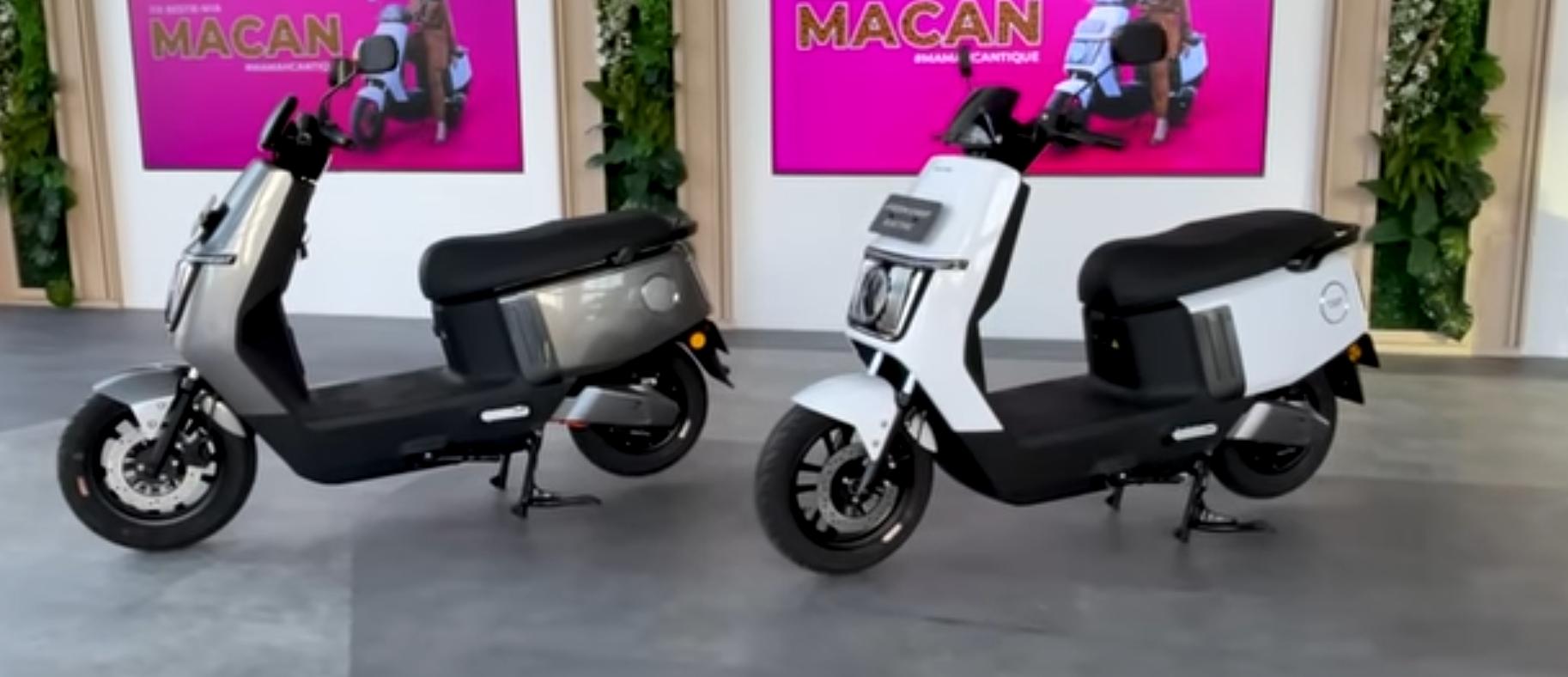
The global transition toward electric mobility is no longer a distant prospect reserved for developed economies; it is actively reshaping the streets of Southeast Asia. In Indonesia, a nation synonymous with two-wheeled transit, the shift from internal combustion engines to electric vehicles (EVs) is being driven by a convergence of aggressive government policy, innovative financing, and the emergence of domestic players capable of meeting the price sensitivity of the mass market. Leading this charge is Polytron, a brand that has successfully pivoted from consumer electronics to become a significant disruptor in the electric motorcycle sector.
For the average commuter or the industrious gig economy worker, the primary barrier to EV adoption has historically been the high upfront cost of hardware and the perceived volatility of battery life. However, the introduction of the Polytron Fox series—including the Fox 200, Fox 350, and Fox R—signals a strategic shift in how these assets are sold. By decoupling the cost of the battery from the vehicle itself and leveraging state-sponsored incentives, Polytron is attempting to make electric transit not just an environmental choice, but an undeniable economic one.
As we analyze the current market landscape, it becomes clear that the conversation has shifted from “if” consumers will switch to “how” they will finance that switch. The integration of credit simulations, battery rental schemes, and government subsidies is creating a new financial ecosystem for urban mobility.
The Battery-as-a-Service (BaaS) Revolution
One of the most significant developments in the Polytron Fox lineup is the implementation of a battery rental model, often referred to in the industry as Battery-as-a-Service (BaaS). This approach addresses the single largest component of an electric vehicle’s price tag: the lithium-ion battery. By offering a scheme where users pay a monthly fee or a per-use rate for battery swaps, Polytron effectively lowers the initial purchase price of the motorcycle, making it competitive with traditional petrol-powered scooters.
This model is particularly attractive for the “ojek online” (Ojol)—Indonesia’s massive fleet of ride-hailing drivers. For these workers, the vehicle is a tool of production. High upfront capital expenditure (CAPEX) is a deterrent, whereas a predictable, low-cost operating expense (OPEX) via battery rental allows for better cash flow management. The ability to swap a depleted battery for a fully charged one at a station ensures that downtime is minimized, a critical factor for drivers whose income is directly tied to their time on the road.
the rental model mitigates the “range anxiety” and “degradation worry” that often plague prospective EV buyers. When the battery is rented rather than owned, the responsibility for maintaining battery health and eventual replacement rests with the manufacturer, providing a layer of long-term financial security for the consumer.
Decoding the Subsidies: Driving Affordability
The economic viability of the Polytron Fox series is heavily bolstered by the Indonesian government’s commitment to decarbonizing the transport sector. To accelerate adoption, the government has implemented substantial subsidies for electric motorcycles. These incentives are designed to bridge the price gap between traditional motorcycles and their electric counterparts.
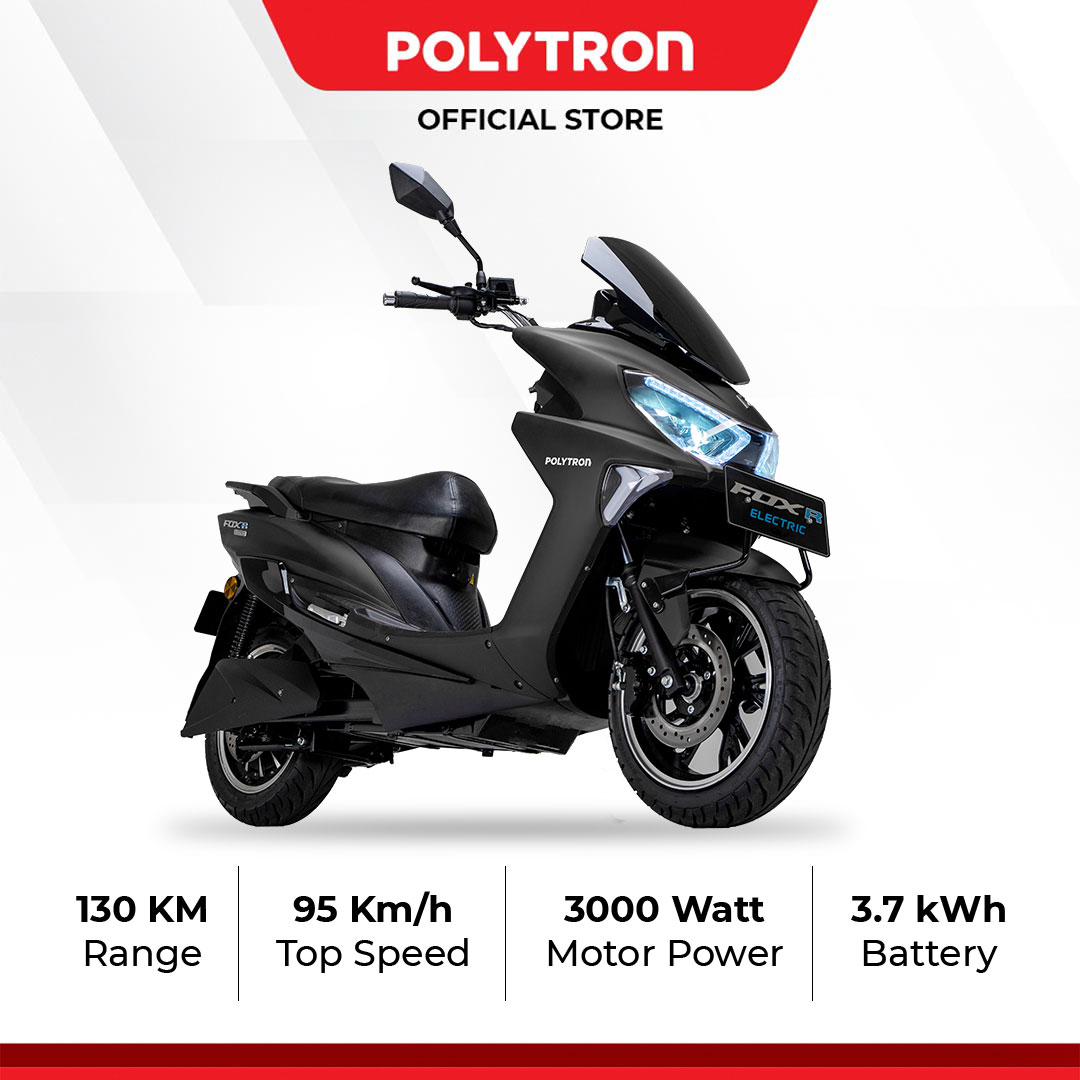
Under current regulatory frameworks, eligible consumers can benefit from significant price reductions, often amounting to millions of rupiah per unit. These subsidies are typically applied at the point of sale, directly lowering the amount a consumer needs to finance through a credit agreement. For a brand like Polytron, which targets the middle-to-low income segments, these government-backed price drops are essential for achieving the scale necessary to compete with established Japanese combustion-engine giants.
Beyond direct subsidies, the Indonesian government has also been working on improving the national charging infrastructure and standardizing battery swap protocols. This systemic support reduces the “hidden costs” of EV ownership, such as the potential need for private home charging installations, which can be a logistical hurdle in densely populated urban areas.
Financing the Future: Credit Simulations and Accessibility
As the market matures, the complexity of financing options is increasing. For many consumers, the decision to purchase a Polytron Fox 200 or 350 is not a lump-sum transaction but a structured monthly commitment. Credit simulations have become a vital tool for potential buyers, allowing them to visualize how different down payments and installment tenures affect their monthly budget.
The “light installment” phenomenon mentioned in recent market discussions is a direct result of combining three distinct financial levers:
- Reduced Principal: The government subsidy lowers the total amount borrowed.
- Decoupled Battery Costs: The battery rental fee is treated as a separate operating cost rather than part of the vehicle loan.
- Competitive Interest Rates: Partnerships between manufacturers and local financial institutions are increasingly producing tailored credit products for the EV sector.
This multi-layered approach allows for a “low-entry, low-monthly” financial profile. For example, a driver might secure a Fox 350 with a relatively little down payment, supported by a subsidy, and then manage their monthly expenses through a combination of a modest vehicle installment and a predictable battery rental fee. This structure mirrors the way many workers in emerging markets manage micro-loans and installment-based purchasing for essential goods.
Comparative Analysis: Polytron Fox Series Overview
Understanding which model fits a specific economic profile requires a look at the different tiers Polytron has established. While specific configurations may vary by region and dealership, the following table outlines the general market positioning of the current lineup.

| Feature/Model | Polytron Fox 200 / R | Polytron Fox 350 |
|---|---|---|
| Primary Target | Commuters & Budget-Conscious Users | Professional Drivers & Tech-Early Adopters |
| Key Advantage | Maximum Affordability | Enhanced Performance & Features |
| Technology | Standard Electric Powertrain | Keyless Entry & Reverse Mode |
| Economic Profile | Lowest Upfront Cost | Balanced CAPEX/OPEX for High Usage |
The Fox 350, in particular, has gained traction due to its inclusion of premium features like keyless ignition and a reverse mode—features that might seem like luxuries but are actually significant “quality of life” improvements for drivers navigating congested, narrow urban corridors throughout the day.
The Macro Impact: Sustainability and the Gig Economy
The widespread adoption of vehicles like the Polytron Fox series carries implications far beyond individual savings. From an economic policy perspective, the shift toward electric two-wheelers represents a significant reduction in national fuel subsidies, which have historically been a massive drain on many emerging market budgets. By transitioning consumers to electricity, governments can redirect those funds toward infrastructure and social services.
the electrification of the gig economy—the backbone of modern urban services in Indonesia—creates a more sustainable model for urban growth. As ride-hailing fleets move toward electric power, the carbon footprint of the “last-mile” delivery and transport sector drops precipitously. This aligns with global ESG (Environmental, Social, and Governance) trends, making the region more attractive to international green investment.
However, the success of this transition remains contingent on the continued stability of government incentives and the rapid expansion of the battery-swapping network. For the consumer, the “next step” is often a matter of local availability and the specific terms offered by regional financing partners.
Next Milestone: Industry analysts are closely watching for upcoming updates to the Indonesian Ministry of Industry’s regulations regarding EV component local content requirements (TKDN), which will dictate the future pricing and manufacturing landscape for domestic brands like Polytron.
What are your thoughts on the shift toward battery rental models? Do you believe they provide enough security for long-term owners? Share your insights in the comments below and share this article with your network.
Related reading