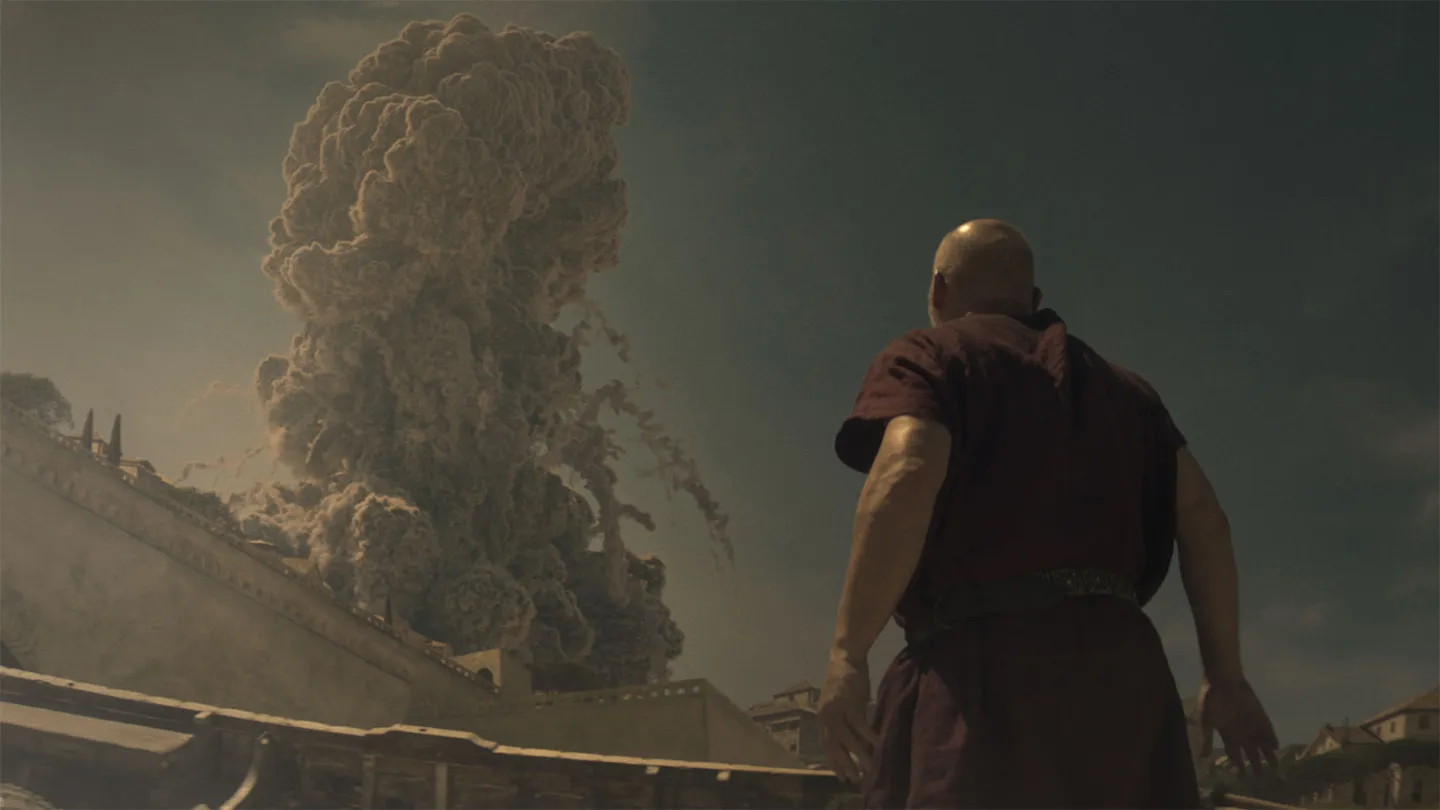
A new documentary series, Pompeii: The New Revelations, utilizes recent archaeological findings and forensic analysis to reconstruct the lives of individuals caught in the AD 79 eruption of Mount Vesuvius. By focusing on the physical remains recovered from the site, researchers have moved beyond the cataclysmic event itself to document the specific biological and social profiles of those who lived in the Roman city during its final hours.
The series, which features contributions from historians and archaeologists, emphasizes how modern technology—including CT scanning and DNA analysis—has transformed our understanding of the victims. According to the Archaeological Park of Pompeii, ongoing excavations in the Regio V area have yielded significant new data regarding the health, diet, and social status of the inhabitants, providing a more granular view of Roman life than was previously possible through traditional excavation methods alone.
Forensic Advancements in Archaeology
The shift in how researchers approach the victims of Vesuvius stems from a transition toward forensic-style investigation. Rather than viewing the plaster casts of victims merely as historical artifacts, current researchers treat them as clinical subjects. By using non-invasive imaging techniques, experts can now determine the approximate age, sex, and health status of individuals without damaging the underlying skeletal remains.
Research published by the Scientific Reports journal highlights that these methods have revealed evidence of chronic conditions and physical labor patterns among the population. These findings suggest that the inhabitants of Pompeii faced significant environmental and physical stressors, which are now being integrated into narratives that explain how these individuals navigated their daily lives before the eruption. This data-driven approach allows for a more accurate portrayal of social hierarchy, as researchers can correlate physical evidence with the architectural context in which remains were discovered.
The Social Fabric of Pompeii
Historical records and archaeological evidence indicate that Pompeii was a diverse, highly stratified society. The documentary series aims to humanize this population by focusing on specific archetypes found within the ruins. By analyzing the proximity of remains to luxury goods or domestic tools, archaeologists have established clearer connections between the economic status of individuals and their final moments within the city.
The Smithsonian Magazine has reported that recent findings in the city’s unexcavated areas provide evidence of a vibrant, albeit labor-intensive, urban environment. Researchers have identified evidence of commercial activity and communal living, which challenges older, more static interpretations of the city. These findings are central to the current efforts to portray the victims not as anonymous casualties, but as members of a functioning society with complex personal histories.
Why This Research Matters
Understanding the lives of Pompeii’s inhabitants provides critical insight into the resilience and vulnerabilities of ancient urban centers. As noted by the Getty Conservation Institute, the preservation efforts at the site are as much about scientific inquiry as they are about cultural heritage. By mapping the health and habits of the Roman population, researchers are building a database that informs broader studies of human adaptation in the Mediterranean region.
For the public, this research shifts the focus from the spectacle of the volcanic disaster to the continuity of human experience. The integration of high-resolution digital modeling with physical archaeology ensures that the stories of those who died in AD 79 remain grounded in empirical evidence. This methodology ensures that the narrative presented in modern media reflects the rigor of current academic standards, rather than relying on the dramatizations that characterized earlier depictions of the site.
Next Steps in the Excavation
The Archaeological Park of Pompeii continues to conduct systematic excavations, with future reports expected as new areas of the site are processed. These efforts are part of a long-term strategy to stabilize the remaining ruins and ensure that artifacts are preserved for future analysis. Researchers are currently focusing on the stabilization of structural remains in the northern sectors of the city, which have been shielded from environmental degradation by volcanic ash for nearly two millennia.
Public updates regarding new findings are provided periodically through the official press releases of the Archaeological Park of Pompeii. Interested readers can monitor these official channels for forthcoming reports on the laboratory analysis of materials recovered during the current season. We invite our readers to share their thoughts on these modern forensic approaches to history in the comments section below.
Keep reading