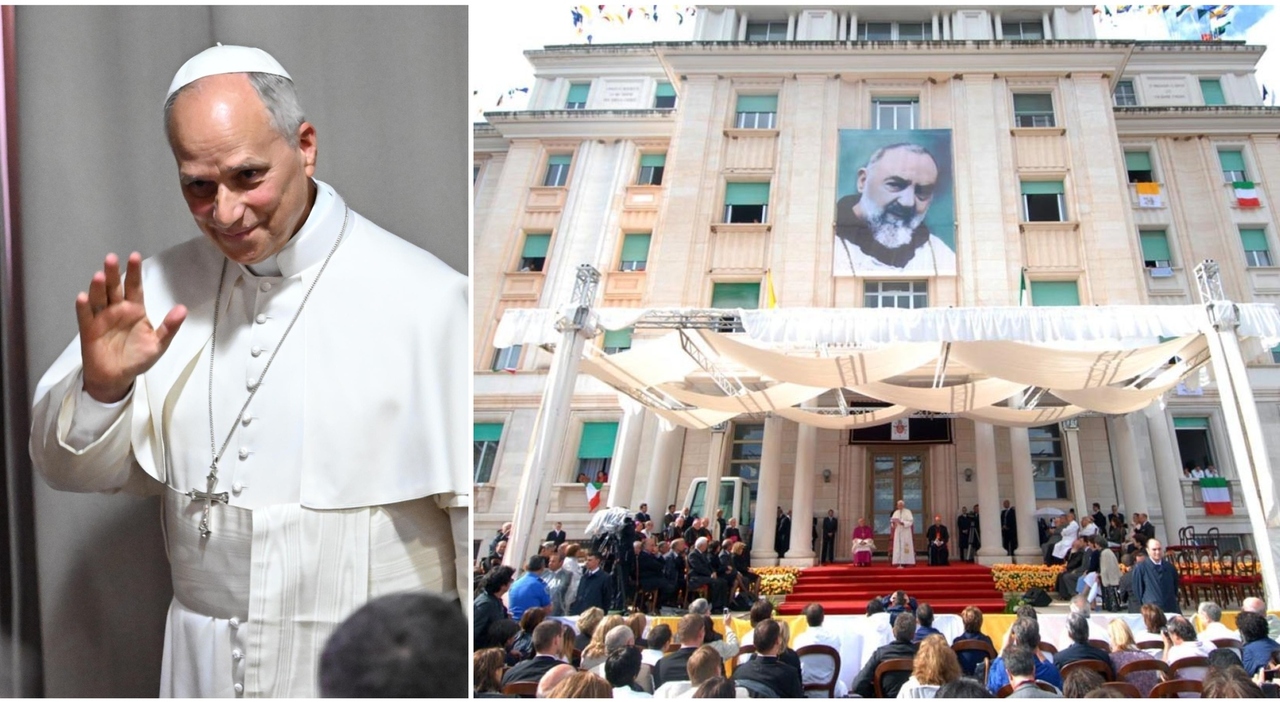
The financial stability of one of Italy’s most significant religious-founded medical institutions is facing a critical turning point. The Casa Sollievo della Sofferenza, the renowned hospital in San Giovanni Rotondo established through the legacy of Padre Pio, is currently grappling with a massive financial deficit that has prompted urgent intervention from the Vatican.
Reports indicate that the hospital is navigating a debt crisis exceeding 200 million euros, a figure that has raised alarms regarding the long-term sustainability of the facility. As the institution struggles to balance its humanitarian mission with mounting fiscal pressures, the Holy See has moved to establish a specialized oversight commission to stabilize the foundation and ensure the continued delivery of essential healthcare services to the region.
This intervention marks a significant moment for the healthcare landscape in the Puglia region. For decades, the Casa Sollievo della Sofferenza has served not only as a medical hub for Southern Italy but also as a global destination for pilgrims seeking the spiritual and physical healing associated with the legacy of St. Padre Pio. The potential for financial insolvency threatens to disrupt both the medical operations and the spiritual significance of this landmark institution.
The Magnitude of the Financial Crisis
The scale of the debt facing the Casa Sollievo della Sofferenza is substantial, with various financial assessments placing the deficit in the range of 200 million to 220 million euros. This fiscal gap has placed immense pressure on the hospital’s ability to manage operational costs, invest in modern medical technology, and maintain its high standards of patient care.
While the exact breakdown of the debt remains subject to ongoing audits, the crisis appears to be a culmination of several complex factors. These include the rising costs of advanced medical equipment, the logistical challenges of operating a large-scale facility in a geographically isolated area, and the broader economic pressures affecting the Italian healthcare sector. The hospital’s unique status as a religious foundation means it must navigate a complex intersection of private management, public healthcare integration, and ecclesiastical oversight.
The financial strain is not merely a matter of balance sheets; it has real-world implications for the thousands of patients who rely on the facility. In the Foggia province, the hospital is a primary employer and a cornerstone of the local economy. A prolonged period of instability could lead to staffing shortages, reduced service availability, and a decline in the quality of care that has historically defined the institution.
Vatican Intervention: The New Oversight Commission
In response to the escalating crisis, the Vatican has taken decisive action by instituting a Commission of Vigilance. This move is designed to provide a structured framework for financial restructuring and to restore administrative transparency within the hospital’s governing bodies. The primary objective of the commission is to create a roadmap for debt repayment and to implement rigorous fiscal controls that will prevent future deficits.
The commission’s mandate is expected to involve a deep dive into the hospital’s current management practices, procurement processes, and revenue streams. By centralizing oversight, the Holy See aims to ensure that the resources intended for patient care are managed with the utmost efficiency. This intervention is part of a broader trend within the current Papal administration to increase financial accountability and transparency across all Vatican-affiliated institutions, and foundations.
Observers note that the appointment of this commission is a delicate balancing act. The Vatican must address the systemic financial issues without infringing upon the operational autonomy required for effective medical management. The success of this mission will depend on the commission’s ability to work collaboratively with both Italian healthcare authorities and the hospital’s internal leadership to implement sustainable reforms.
Key Takeaways: The Casa Sollievo della Sofferenza Crisis
- Financial Deficit: The hospital is facing a debt estimated between €200 million and €220 million.
- Vatican Action: A new Commission of Vigilance has been established to oversee restructuring and financial management.
- Regional Impact: The crisis threatens the economic stability of San Giovanni Rotondo and the healthcare access of the Puglia region.
- Core Objective: The intervention seeks to stabilize the hospital’s finances while preserving its mission of care and its religious legacy.
A Legacy Under Pressure: The Role of Padre Pio
To understand the gravity of this crisis, one must understand the history of the Casa Sollievo della Sofferenza. The hospital was founded as a direct realization of the vision of St. Padre Pio, the Capuchin friar whose popularity and reported miracles drew millions of visitors to San Giovanni Rotondo. The hospital was conceived as a place where the “relief of suffering” would be met with both cutting-edge medical science and spiritual compassion.
For decades, the hospital has functioned as a symbol of the intersection between faith and medicine. It has become a cornerstone of the local identity, bridging the gap between the sacred pilgrimage site and the practical needs of a modern medical facility. The hospital’s ability to provide specialized care in a region that has historically faced socio-economic challenges has made it an indispensable asset to the Italian state.
The current financial instability poses a profound challenge to this legacy. If the hospital fails to achieve fiscal health, the spiritual and social fabric of San Giovanni Rotondo could be significantly altered. The community’s reliance on the hospital—both as a source of healing and as an economic engine—means that the stakes of the Vatican’s intervention extend far beyond the walls of the medical facility.
Navigating the Complexities of Healthcare Economics
The crisis at Casa Sollievo della Sofferenza highlights the broader challenges facing religious-run healthcare institutions in the 21st century. These organizations often operate within a hybrid model, receiving a portion of their funding from public health systems while relying on private donations and religious endowments to maintain their mission-driven services.

In Italy, the integration of religious foundations into the National Health Service (Servizio Sanitario Nazionale) requires a high degree of coordination. As medical costs rise and the aging population increases demand for specialized care, these institutions face a “scissors effect”: increasing operational expenses coupled with stagnant or highly regulated reimbursement rates from the state. This economic reality makes the management of large-scale debt particularly perilous for institutions that lack the diversified capital of large corporate healthcare groups.
the transition toward digital health, robotic surgery, and personalized medicine requires massive capital expenditures. For a facility like Casa Sollievo, maintaining its status as a center of excellence requires constant reinvestment, a task that becomes nearly impossible when a significant portion of the budget is diverted to servicing debt interest.
What Happens Next: The Path to Recovery
The immediate future of the hospital will be defined by the findings and recommendations of the newly formed Vatican commission. The process of debt restructuring is rarely swift, and it often involves difficult decisions regarding cost-cutting, asset management, and potential partnerships with other healthcare providers or governmental bodies.
Stakeholders, including the Italian Ministry of Health, local government officials in Foggia, and the hospital’s staff, will be watching closely to see how the commission balances the need for fiscal austerity with the necessity of maintaining high-quality medical services. The goal is to move the institution from a state of emergency management to one of long-term financial predictability.
The next critical checkpoint will be the release of the commission’s initial assessment and the subsequent presentation of a formal restructuring plan to the Holy See and relevant Italian authorities. This plan will likely outline the specific steps required to mitigate the current deficit and the structural changes intended to prevent a recurrence of the crisis.
Frequently Asked Questions
What is the Casa Sollievo della Sofferenza?
It is a major hospital located in San Giovanni Rotondo, Italy, founded based on the vision of St. Padre Pio to provide medical care and relief for the suffering.
How much debt does the hospital have?
Reports indicate the hospital is facing a deficit estimated between €200 million and €220 million.
Why is the Vatican intervening?
The Vatican has established a Commission of Vigilance to oversee financial restructuring, ensure transparency, and stabilize the hospital’s management due to the significant debt crisis.
How does this affect patients?
The primary goal of the intervention is to ensure that the hospital remains operational and maintains its standard of care, preventing service disruptions caused by financial instability.
The situation remains developing as the Vatican commission begins its formal review. We will continue to provide updates as official reports and restructuring plans are released.
What are your thoughts on the Vatican’s decision to intervene in the management of religious-founded hospitals? Share your views in the comments below and share this article to keep your network informed.
Keep reading