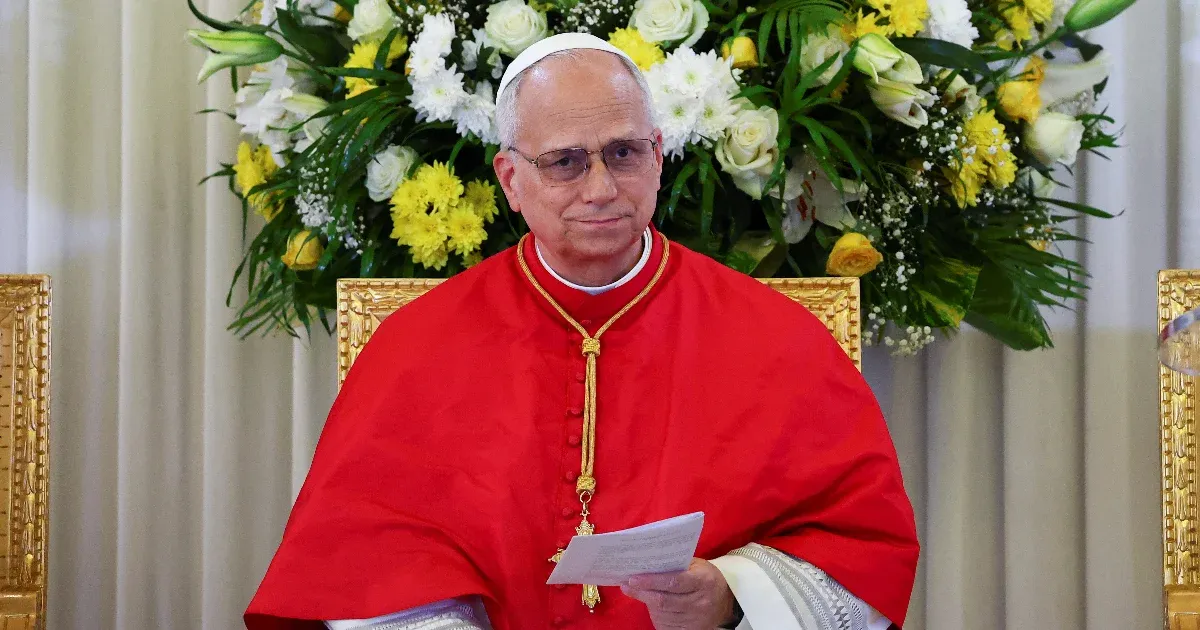
Tensions between the Holy See and the United States administration have escalated following a series of public confrontations involving President Donald Trump and Vice President JD Vance toward Pope Leo XIV. The dispute centers on the Pope’s public stances regarding global peace and his critiques of authoritarianism, which have drawn sharp rebukes from the highest levels of the U.S. Government.
The friction intensified after President Trump reportedly labeled the pontiff as “weak” on social media, sparking a diplomatic rift that has resonated far beyond the Vatican. This clash of ideologies highlights a growing divide between the Catholic Church’s current leadership and the “America First” approach of the Trump administration, particularly concerning international diplomacy and the role of moral authority in global politics.
In response to the criticism, Pope Leo XIV has spoken out against the influence of “dictators” who disrupt global stability. These remarks, delivered amidst a climate of increasing hostility, underscore the Pope’s commitment to a peace-oriented agenda, even as he faces direct pressure and public belittlement from U.S. Officials.
The diplomatic fallout has not been limited to the U.S. And the Vatican. Religious leaders and ecclesiastical bodies globally have begun to weigh in, with some expressing support for the Pope’s bravery in the face of political intimidation and others condemning the rhetoric used by the U.S. Administration as unacceptable.
Trump and Vance Target the Papacy
The conflict reached a boiling point when President Trump used social media to lash out against Pope Leo XIV. According to reports from ABC News, the President’s criticisms were directed at the Pope’s perceived lack of strength, a recurring theme in Trump’s critiques of international figures who prioritize diplomacy over aggressive negotiation.
The administration’s approach shifted from social media critique to direct warnings. Vice President JD Vance reportedly told Pope Leo XIV on a Tuesday to “be careful” when speaking about certain issues. This interaction suggests a level of pressure that goes beyond political disagreement, moving into the realm of explicit warnings regarding the Pope’s public discourse (ABC News).
Further complicating the relationship are reports of institutional threats. Some accounts indicate that the Pentagon, under the direction of President Trump, may have threatened the Pope, leading to subsequent confrontations involving Vice President Vance (ABC News). Such a development would mark an unprecedented escalation in the relationship between a secular superpower’s military apparatus and the sovereign entity of the Holy See.
The Vatican’s Stance on Global Authoritarianism
Pope Leo XIV has remained steadfast in his role as a voice for peace, specifically addressing the dangers posed by leaders who seek to destabilize the world. His recent commentary on “dictators” serves as a direct counter-narrative to the strength-based diplomacy championed by the Trump administration. By framing peace not as weakness but as a moral imperative, the Pope has positioned himself in direct opposition to the rhetoric of the U.S. Executive branch.

This ideological battle is not merely about personality but about the fundamental approach to global governance. While the Trump administration emphasizes bilateral strength and national interest, Pope Leo XIV emphasizes a collective, moral responsibility to protect the vulnerable and maintain international order through dialogue rather than threats.
Global Ecclesiastical Reaction
The reaction from the global Catholic community has been largely supportive of the Pope. In Hungary, the Catholic Bishops’ Conference has condemned the remarks made by President Trump, describing the treatment of the pontiff as “unacceptable.” This internal church response indicates that the administration’s rhetoric is alienating not only the Vatican hierarchy but likewise national church bodies.
Individual clergy members have also voiced their support. Bishop János Székely has publicly expressed gratitude for the Holy Father’s “brave stand” in favor of peace, suggesting that the Pope’s willingness to face criticism from a superpower is a testament to his spiritual and moral leadership.
Key Points of Contention
- Perception of Strength: President Trump views the Pope’s diplomatic approach as “weak,” while the Vatican views it as the only viable path to sustainable peace.
- Diplomatic Protocol: The use of social media by a head of state to criticize a sovereign religious leader is seen by many as a breach of international diplomatic norms.
- Theological Disputes: Reports indicate that Vice President JD Vance has attempted to “lecture” the Pope on theology, further straining the relationship by challenging the Pope’s spiritual authority.
As the situation evolves, the international community remains watchful of how these tensions will affect U.S.-Vatican relations and the broader effort to maintain global stability. The next official point of contact between the Holy See and the U.S. Administration remains to be seen, as both sides maintain their opposing positions.

We invite our readers to share their perspectives on the intersection of faith and geopolitics in the comments below.
Worth a look