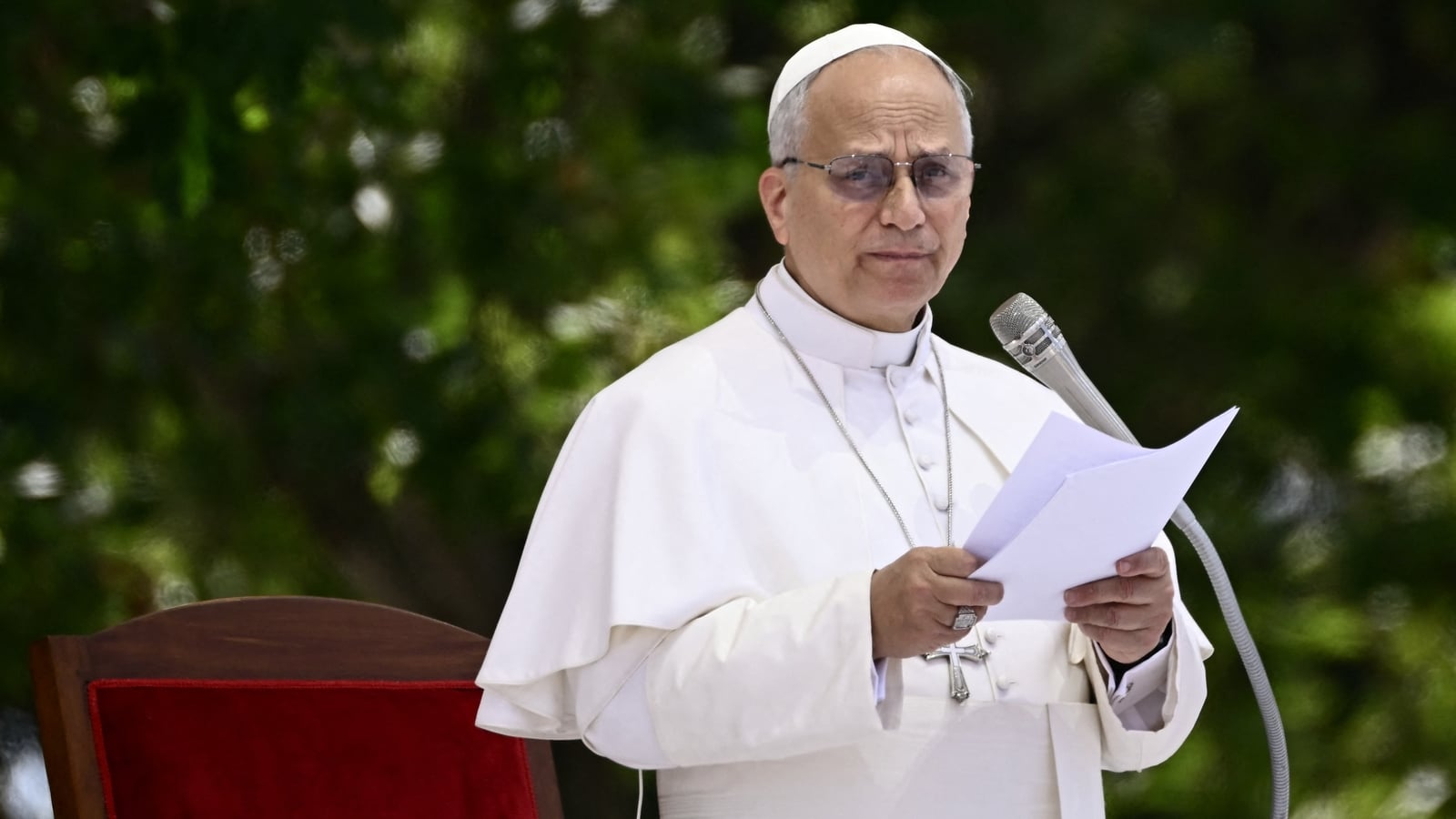
Pope Leo XIV is set to release his first encyclical, Magnifica humanitas, on May 25, 2026, marking a significant moment in the Vatican’s engagement with modern technological advancement. The document, which explores the safeguarding of the human person in the age of artificial intelligence, was signed by the Pope on May 15, 2026—a date chosen to coincide with the 135th anniversary of Pope Leo XIII’s landmark encyclical, Rerum novarum, which established the foundation of the Church’s modern social teaching regarding the Industrial Revolution (Vatican News).
The release of Magnifica humanitas, or “Magnificent humanity,” is scheduled to be accompanied by a presentation at the Vatican’s Synod Hall at 11:30 a.m. Local time. In a departure from typical protocol, Pope Leo XIV is expected to participate in the presentation himself, offering an address and a final blessing to conclude the proceedings (America Magazine). The event will feature a diverse panel of experts, highlighting the global and multidisciplinary nature of the Vatican’s interest in the ethics of artificial intelligence.
A Multidisciplinary Approach to AI Ethics
The Vatican has assembled a panel of speakers for the May 25 launch that bridges the gap between theology, social thought, and the practical development of emerging technologies. According to official Vatican communications, the presenters include Cardinal Víctor Manuel Fernández, Prefect of the Dicastery for the Doctrine of the Faith, and Cardinal Michael Czerny, S.J., Prefect of the Dicastery for Promoting Integral Human Development (Vatican News). Their involvement underscores the Church’s intent to frame the discussion of artificial intelligence within the broader context of integral human development and moral theology.
Academic perspectives will be provided by Professor Anna Rowlands of Durham University and Professor Leocadie Lushombo, I.T., of the Jesuit School of Theology at Santa Clara University. Their inclusion suggests that the encyclical will likely address the intersection of political theology and Catholic social thought. The presence of Christopher Olah, co-founder of the artificial intelligence company Anthropic, marks a notable engagement with the private sector. Mr. Olah, who leads research on AI interpretability, will join the panel to discuss the technical and safety-oriented dimensions of the technology (Vatican News).
Historical Precedent and Modern Challenges
By signing the document on the anniversary of Rerum novarum, Pope Leo XIV explicitly links his teaching on artificial intelligence to the historical tradition of the Catholic Church’s social doctrine. Rerum novarum was issued in 1891 as a response to the profound societal shifts brought about by the Industrial Revolution, addressing the rights and duties of capital and labor. The choice of date for Magnifica humanitas indicates that the Vatican views the rise of artificial intelligence as a similarly transformative epochal challenge that requires a moral and ethical framework to ensure the preservation of human dignity (America Magazine).
The encyclical is described as a lengthy document, reflecting the complexity of the subject matter. As the Vatican prepares for the formal release, the international community is watching closely to see how the Pope’s guidance will shape the discourse on AI regulation and the ethical deployment of autonomous systems. Cardinal Secretary of State Pietro Parolin is scheduled to offer closing remarks at the conclusion of the presentation in the Synod Hall, finalizing the formal introduction of the encyclical to the public (Vatican News).
Key Details Regarding the Publication
- Title: Magnifica humanitas (Magnificent humanity)
- Signature Date: May 15, 2026
- Release Date: May 25, 2026
- Presentation Time: 11:30 a.m. (Vatican time)
- Location: Vatican Synod Hall
The publication of this encyclical represents the first of Pope Leo XIV’s pontificate, establishing a primary focus for his leadership. For those following these developments, official updates and the full text of the encyclical are expected to be made available through the Holy See Press Office and official Vatican channels following the presentation ceremony on May 25 (Holy See Press Office). We will continue to monitor the impact of these teachings as they are integrated into the global conversation regarding the future of artificial intelligence.

What we have is a developing story. We invite our readers to share their thoughts on the role of religious institutions in the technological landscape in the comments section below.
Related reading