The ‘Spiral of Annihilation’: Pope Leo XIV Warns of AI-Driven Warfare
ROME — In a profound warning to the international community, Pope Leo XIV has denounced the rapid escalation of investments in artificial intelligence and high-tech weaponry, cautioning that these advancements are propelling the world toward a “spiral of annihilation.”
Speaking on Thursday at the Sapienza University of Rome, the American pontiff addressed the intersection of emerging technology and global security. His remarks centered on the urgent need for peace in the Middle East and Ukraine, while simultaneously calling for heightened international oversight of how autonomous technologies are integrated into modern combat.
The address marks a significant moment in the papacy of Leo XIV, who was elected on May 8, 2025. By bringing the conversation of technological ethics to one of Europe’s most prestigious academic institutions, the Pope highlighted the growing tension between rapid scientific innovation and the preservation of human responsibility in the face of global conflict.
The Ethics of Autonomy and Human Responsibility
A central theme of the Pope’s speech was the potential for artificial intelligence to create a vacuum of accountability. He called for rigorous monitoring of AI development and deployment in both military and civilian spheres, emphasizing that technology must not be allowed to decouple human agency from the consequences of war.
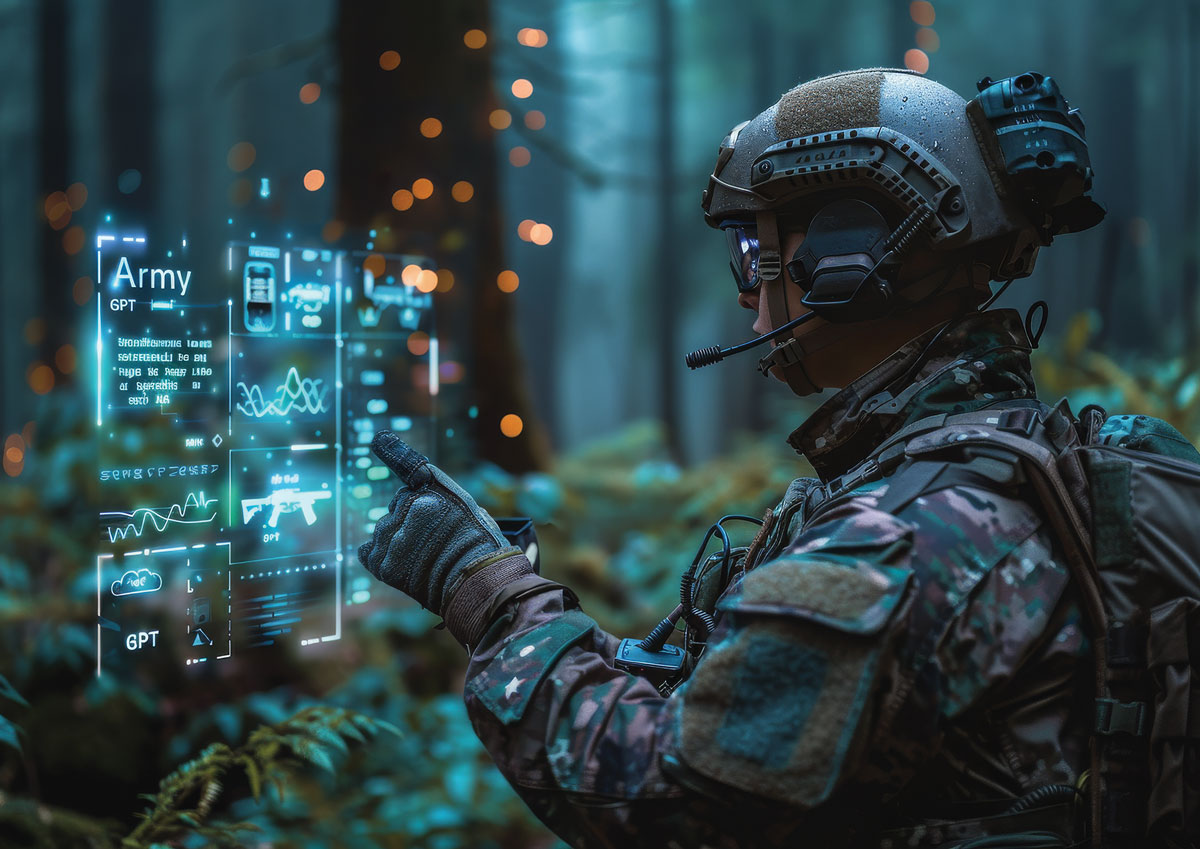
“It [must be monitored] so that it does not absolve humans of responsibility for their choices and does not exacerbate the tragedy of conflicts,” the Pope stated, according to reports from the visit. His concern reflects a broader geopolitical debate regarding “human-in-the-loop” requirements, where the decision to use lethal force remains a human prerogative rather than an algorithmic calculation.
The Pope’s warning suggests that without established ethical frameworks and strict monitoring, the integration of AI into weaponry could lead to unpredictable escalations, further destabilizing regions already grappling with intense violence.
The Opportunity Cost: Military Spending vs. Social Welfare
Beyond the technical and ethical implications of AI, Pope Leo XIV offered a sharp critique of global economic priorities. He noted that military spending has seen a dramatic increase this year, particularly across Europe, a trend he argued comes at a direct cost to fundamental human needs.
The pontiff argued that these massive investments in high-tech defense are being made “at the expense of education and healthcare,” and noted that such spending serves to “enrich elites who care nothing for the common good.”
This critique highlights a growing global disparity: as nations divert significant portions of their GDP toward advanced defense systems and AI-driven weaponry, the funding for social infrastructure—essential for long-term stability and human development—faces increasing pressure. For the Vatican, the “spiral of annihilation” is not only a matter of physical destruction through warfare but also a moral decay caused by the neglect of the most vulnerable populations in favor of military dominance.
A Historic Return to Sapienza University
The visit to the Città Universitaria campus was a landmark event for the institution. Founded by Pope Boniface VIII in 1303, Sapienza University of Rome is one of the world’s oldest and largest academic centers. This visit represented the first time a pope has addressed the campus since 2008, when Pope Benedict XVI was forced to cancel a planned speech following protests from faculty and students.
The atmosphere on Thursday was one of warm reception. As the Pope moved through the campus, he was greeted by faculty and students alike. During his visit, he was seen near Arturo Martini’s 1935 bronze statue of Minerva, a symbol of wisdom that stood as a backdrop to his warnings about the wisdom—or lack thereof—in current global military trajectories.
The Pope was accompanied by his personal secretary, Monsignor Edgard Iván Rimaycuna Inga, as he engaged with the academic community, reinforcing the Vatican’s ongoing dialogue with the world’s leading scientific and intellectual hubs.
Humanitarian Corridors and the Future of Gaza Students
The visit also carried a deeply personal humanitarian dimension. Among the students welcomed by the Pope were young Palestinians who recently arrived in Italy via a “humanitarian corridor” from Gaza. These students have traveled to Italy to continue their studies at Sapienza, a move supported by the Italian government in collaboration with various Catholic organizations.
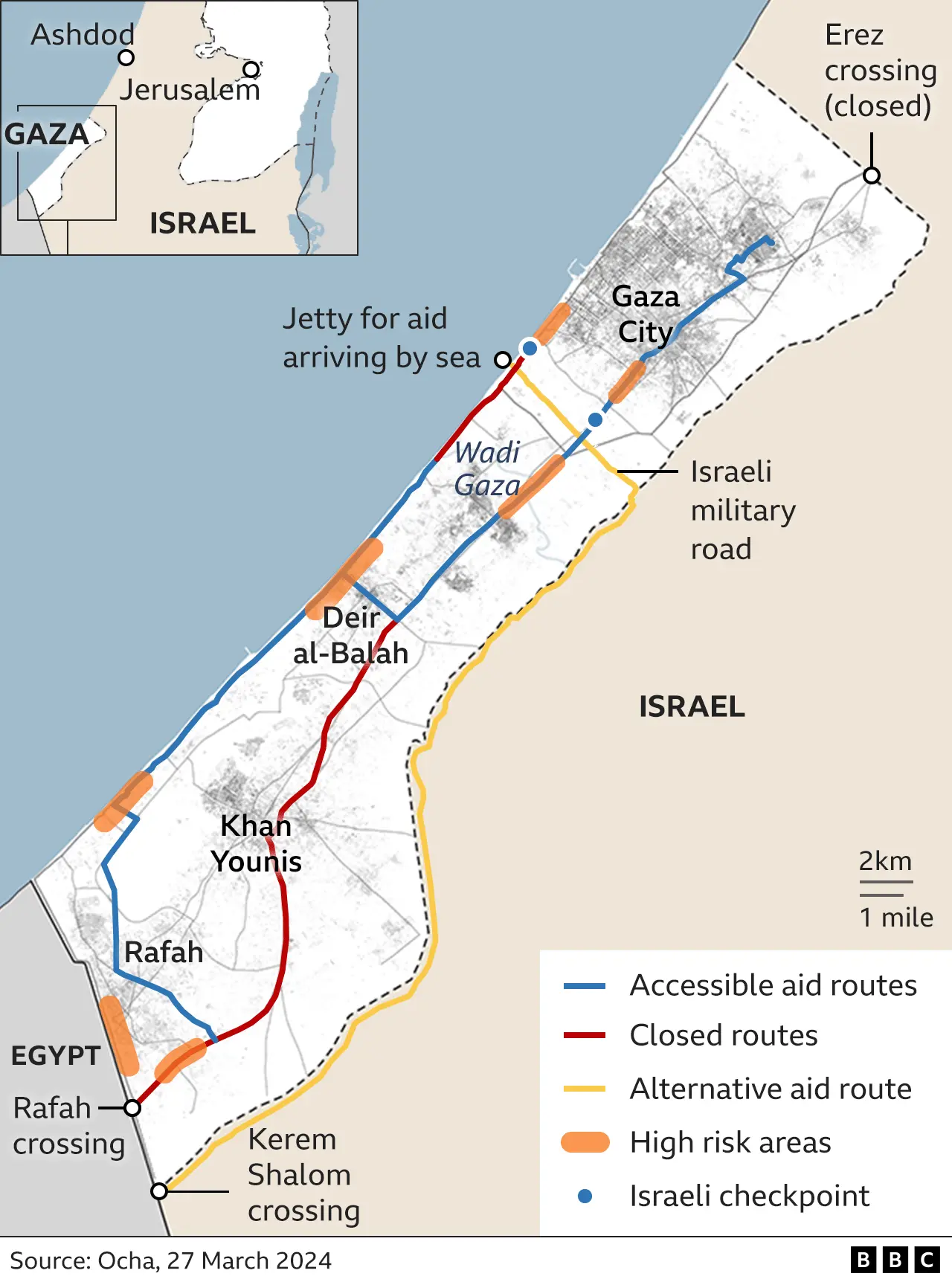
Since the Israeli war against Hamas in Gaza began in 2023, hundreds of Palestinians have been brought to Italy to pursue education and receive necessary medical care. Pope Leo XIV met with some of these students during a brief greeting at the campus chapel and again following his primary address in the university’s main lecture hall.
By highlighting the presence of these students, the Pope underscored the human face of the conflicts he addressed. His call for peace in the Middle East was not merely a diplomatic gesture but a plea for the protection of the lives and futures of those caught in the crossfire of modern warfare.
As the international community continues to grapple with the rapid evolution of AI and the shifting landscape of global military spending, the words of Pope Leo XIV serve as a reminder of the ethical imperatives that must guide technological progress. The call for human accountability and the prioritization of social welfare over military expansion remains a critical challenge for policymakers worldwide.
There are currently no further official updates scheduled regarding this specific papal visit. We will continue to monitor developments in international AI regulation and global humanitarian efforts.
What are your thoughts on the intersection of AI and global security? Should there be stricter international laws governing AI-directed weaponry? Share your views in the comments below and share this article with your network.
Related reading