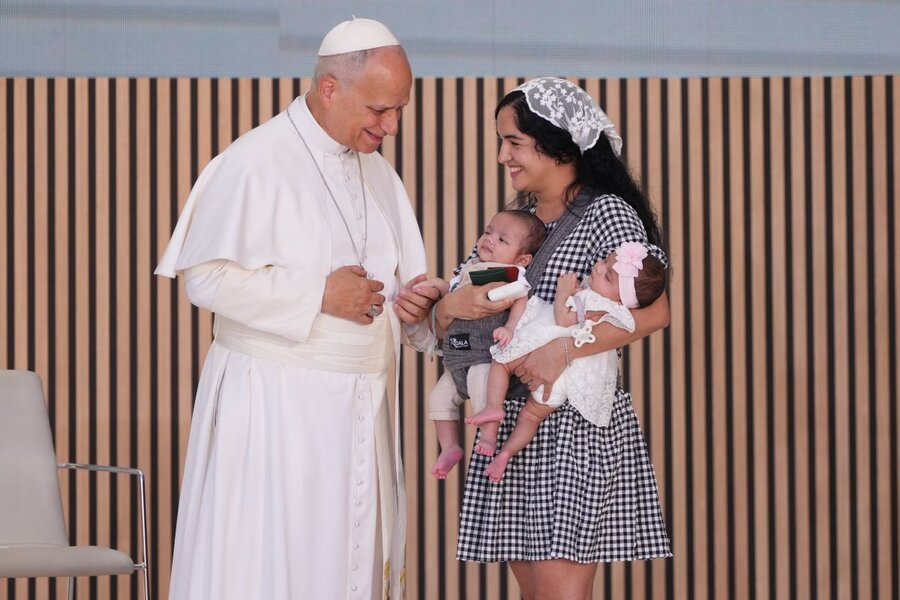
Pope Leo XIV, who assumed the papacy on May 8, 2025, has issued a direct appeal to the Spanish public to move away from political polarization during his ongoing visit to the nation. The pontiff’s message, delivered as he continues his current journey, serves as a central theme of his trip, which marks a significant return of papal focus to European soil. His remarks arrive at a time when the Vatican is actively adjusting its diplomatic and pastoral priorities under his leadership.
The current visit to Spain represents a notable shift in the geography of papal engagement. While the Vatican has maintained a consistent schedule of international travel, this trip highlights a strategic pivot toward addressing the internal cohesion of European nations. According to official records from the Holy See, this visit is the first papal trip to Spain in 15 years, a duration that underscores the evolving nature of the Vatican’s outreach under the new administration. The Pope’s presence in Spain follows his election on the second day of the 2025 papal conclave, an event that officially inaugurated his tenure as the head of the Catholic Church.
Addressing Polarization in Modern Europe
During the second day of his trip, Pope Leo XIV centered his dialogue on the long-term impact of societal divisions. On June 7, 2026, the pontiff posed a pointed question to his audience: “What legacy are we leaving for the future?” This inquiry was framed within the context of his broader appeal for unity, urging citizens and leaders alike to reject the intensifying polarization that has characterized recent political discourse. His call for a more cohesive society is viewed by observers as an attempt to reassert the influence of traditional Christian values within the contemporary European landscape.
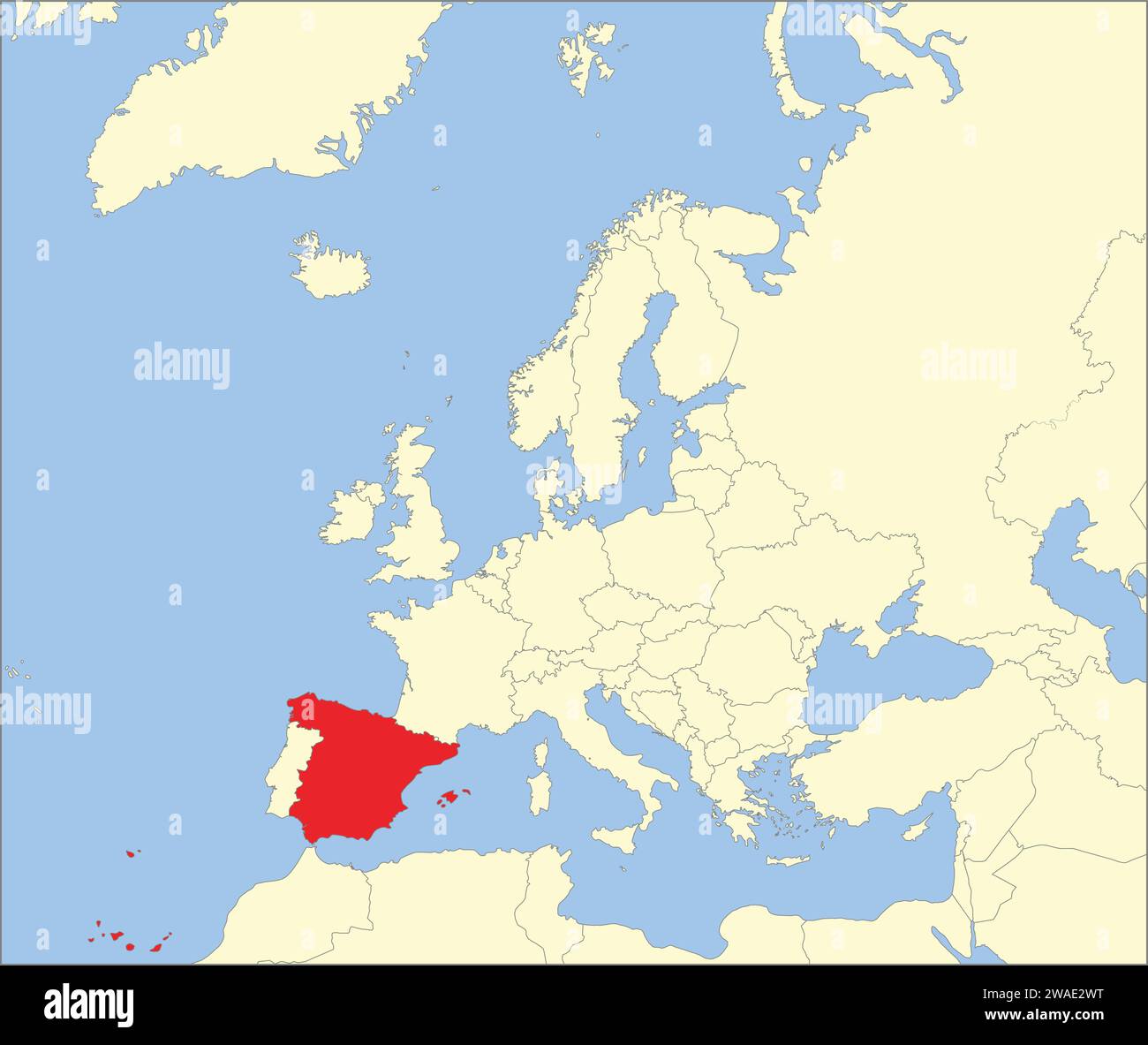
The Vatican’s emphasis on this visit contrasts with the travel patterns of his predecessor, Pope Francis, who frequently directed his pastoral attention toward smaller or more geographically distant Catholic communities. By choosing Spain for this high-profile visit, Leo XIV is signaling an intent to reconnect with the historical and cultural foundations of the Church in Europe. This approach is consistent with the administrative priorities set forth by the Holy See since the transition of power in May 2025, as documented in the official archives of The Holy See.
A Strategic Shift in Papal Diplomacy
The current itinerary reflects a broader strategy that prioritizes the stability of established Catholic regions. The visit is not merely ceremonial; it serves as a platform for the Pope to address the challenges facing modern secular societies. By engaging directly with the Spanish public, the Pope is attempting to foster a dialogue that transcends partisan lines, a move that aligns with his stated mission to promote social harmony. The significance of this trip is amplified by the fact that it follows a period of transition within the Vatican, during which the new leadership has sought to define its own unique approach to global affairs.
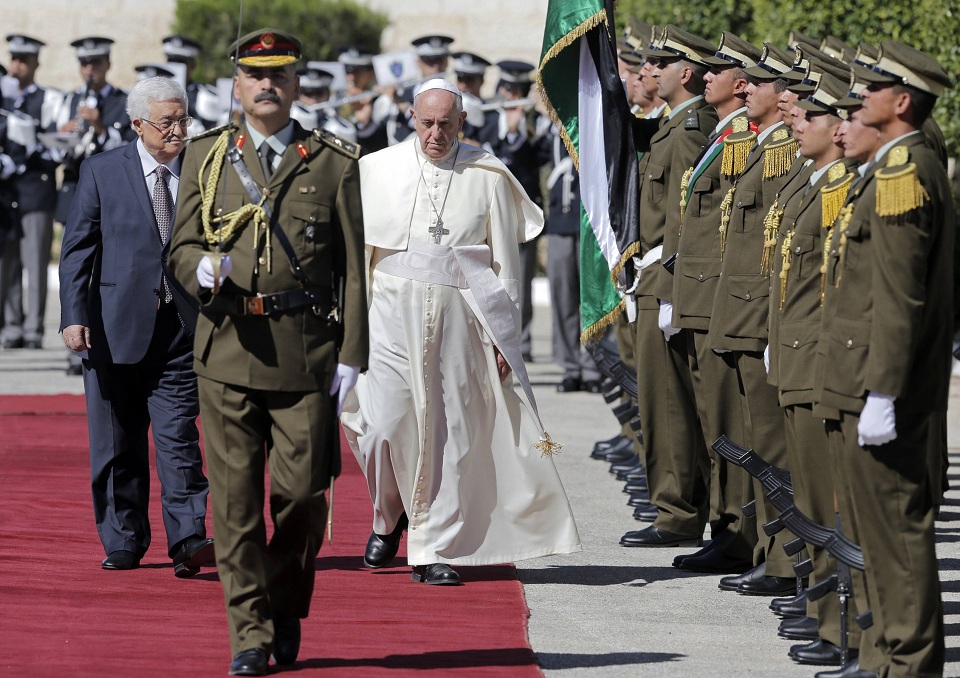
For those following the Pope’s schedule, the Vatican provides ongoing updates regarding his daily activities and official statements through their dedicated news portal, Vatican News. These resources offer the most accurate information regarding the Pope’s itinerary, including his meetings with local officials, clergy, and the public. As the visit continues, the international community will be watching to see how these appeals for unity are received by political and social leaders in Spain, a nation where the intersection of religious tradition and modern political identity remains a topic of intense public debate.
What Happens Next
As the visit concludes, the Vatican is expected to release further summaries and reflections on the Pope’s time in Spain. These documents will likely provide more granular detail on the specific policy implications of his calls for unity. For real-time updates on the status of the visit and any subsequent official statements or apostolic letters, the public is encouraged to monitor the official Vatican communication channels. We will continue to track these developments as they unfold throughout the remainder of the month.
We invite our readers to share their perspectives on this shift in papal diplomacy in the comments section below. How do you view the role of the Church in addressing modern political divisions? Join the conversation as we follow the developments of the current papal visit.
- Exploring UNESCO Headquarters in Paris: Architecture & Art
- Since the provided input is only an image link and contains no text or context about the article’s content, it is impossible to create a specific SEO title. However, based on the source (Times of India), if this is a general news piece, a high-performing SEO template would be: [Main Subject/Keyword]: Latest Updates, News, and Key Highlights
- White-Tailed Eagles Return to Exmoor National Park After 200 Years (news-usa.today)