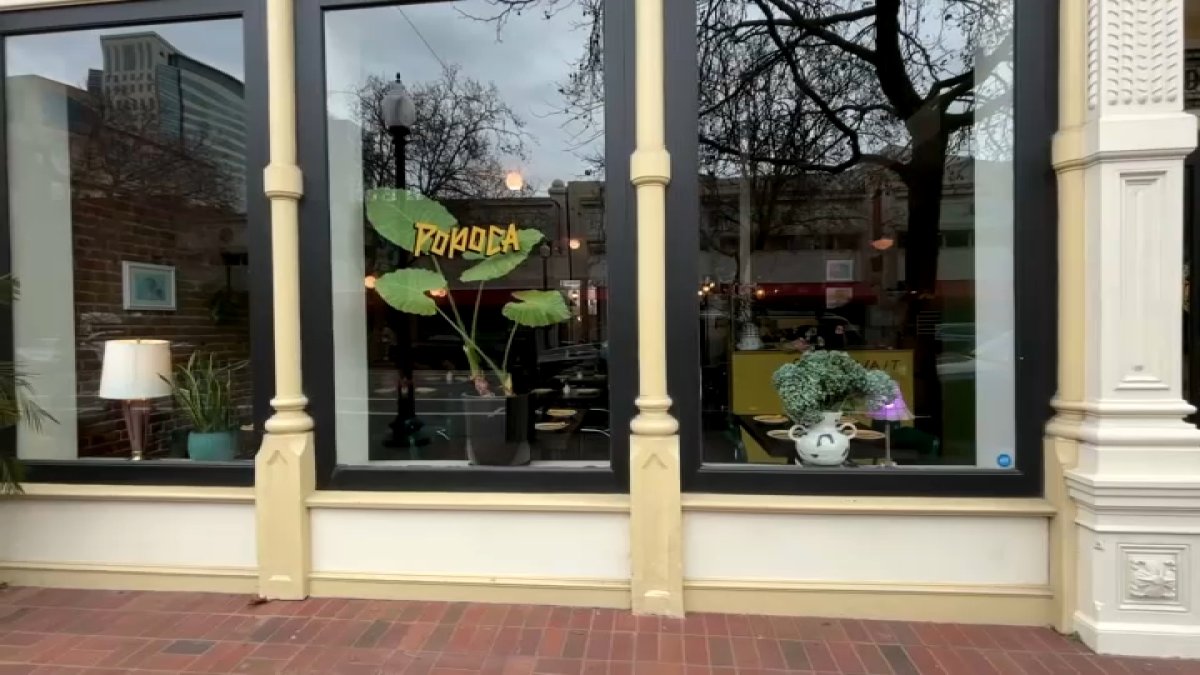
Oakland, California – In the vibrant culinary landscape of the Bay Area, Popoca, a Salvadoran-inspired restaurant in Old Oakland, is garnering attention for its innovative approach to traditional flavors and its deep connection to the chef’s heritage. Founded by Anthony Salguero, Popoca isn’t simply a restaurant; it’s a testament to family, cultural preservation, and the evolving spirit of Californian cuisine. The restaurant’s name, “Popoca,” meaning “to emit smoke” in Nawat, the language of the native people of El Salvador, reflects the ancient practice of cooking over wood fires, a tradition imbued with spiritual significance.
Salguero’s journey to opening Popoca was a deliberate one, rooted in a desire to honor his Salvadoran father and his upbringing as a Latin American in the diverse Bay Area. He describes Popoca as a representation of his culture and experiences, a place where the smoky flavors of traditional cooking techniques blend seamlessly with the fresh, seasonal ingredients of California. This fusion is evident in every aspect of the restaurant, from the carefully sourced ingredients to the innovative menu items.
A Staff-Led Approach to Culinary Creativity
What sets Popoca apart is its unique staff-led structure. Rather than a top-down hierarchy, Salguero empowers his team to contribute to the restaurant’s atmosphere, develop modern dishes, and craft signature cocktails. This collaborative environment fosters creativity and ensures that Popoca remains a dynamic and evolving culinary destination. The kitchen team includes Chefs Paloma Novelo, Anthony Salguero, Rony Motufar Mendez, Eric Israel, Claire McCann, and Brian Starkey, alongside Antonio Munguia as dishwasher. The bar is helmed by Rami Rodriguez, Stephanie Lopez, Natasha Nazer, Jeanie Grant, and Lima Samady, with Bia Luna managing HR and Nikelle Powell, Maggie Hartman, Andres Lozano, Diana Nuila, and Andrew Finn providing service.
Salguero’s own culinary background is impressive, having honed his skills at renowned establishments such as the Plumed Horse in Saratoga, Saison and Commonwealth in San Francisco, and Quattro in Palo Alto. He also served as executive chef at the Michelin-rated French bistro Michel in Oakland. Popoca, however, marks his first solo venture, allowing him to fully express his culinary vision. He emphasizes that while the restaurant pays homage to his Salvadoran roots, We see ultimately a reflection of his personal journey and evolving palate.
The Art of the Pupusa and the Nixtamalization Process
At the heart of Popoca’s menu are pupusas, the traditional Salvadoran stuffed flatbread. However, these are not your average pupusas. Salguero and his team are committed to using locally sourced ingredients and traditional techniques, including the labor-intensive process of nixtamalization. Nixtamalization involves cooking the corn in an alkaline solution, typically limewater, which enhances its nutritional value, aroma, and texture. This ancient method, passed down through generations, is crucial to achieving the perfect masa – the dough used to make pupusas.
“The pupusas at Popoca are special because they are made with local ingredients. We grind the corn every day here at home, and we make it with a lot of love too,” Salguero explained, as reported by Telemundo Area de la Bahía 48. Roni Domingo García, a member of the Popoca team, echoed this sentiment, noting that the masa reminds him of his own grandmother’s cooking back home. “The masa here, I love it and it reminds me of when I was in my country because that’s how my grandmother and I used to cook the masa,” García said.
Innovation on the Plate: Pupusas de Lengua and Blue Corn Creations
While honoring tradition, Salguero is not afraid to push boundaries and experiment with new flavors. Popoca has gained recognition for its innovative pupusa fillings, including the pupusa de lengua – a pupusa filled with tender, flavorful tongue. The restaurant also offers pupusas made with blue corn, adding a unique visual appeal and subtle flavor nuance to the classic dish.
Salguero’s approach to recipe development is deeply personal. “When I create a new recipe, I always first ask myself how it represents my heritage, how I make it more personal,” he stated. This dedication to authenticity and innovation has not gone unnoticed. Popoca’s unique blend of masa and cheese recently earned it a feature in the New York Times, further solidifying its reputation as a culinary gem.
Looking Ahead: A Vision for a More Casual Pupuseria
Despite its relatively young age – opening on August 30, 2023, according to SFGate – Popoca has already made a significant impact on the Oakland dining scene. Salguero is already looking towards the future, envisioning a more casual pupuseria concept. He dreams of a space where customers can enjoy simple, affordable meals cooked over charcoal, featuring a selection of meats, rice and beans, plantains, and creamy sauces.
This future venture would remain true to the core values of Popoca: celebrating his father’s homeland and honoring his family’s culinary legacy. “I feel that I did something vital for myself, and for my family too,” Salguero said. “My heritage inspired me to start this business and every decision I make always begins with this foundation.” He envisions a space that embodies the warmth and authenticity of a traditional Salvadoran pupuseria, offering a taste of home to the Oakland community.
Key Takeaways
- Heritage and Innovation: Popoca seamlessly blends traditional Salvadoran flavors with Californian ingredients and culinary techniques.
- Staff Empowerment: The restaurant’s staff-led approach fosters creativity and a collaborative work environment.
- Commitment to Tradition: Popoca utilizes traditional methods like nixtamalization to create authentic and flavorful pupusas.
- Rising Recognition: The restaurant has garnered attention from major publications like the New York Times and SFGate.
- Future Expansion: Chef Salguero plans to open a more casual pupuseria, further expanding his culinary vision.
As Popoca continues to evolve, it remains a powerful example of how culinary innovation can be rooted in cultural heritage and a deep commitment to community. The restaurant’s success is a testament to Salguero’s vision and the dedication of his team. Readers interested in learning more about Popoca and its menu can visit the restaurant’s website at www.popocaoakland.com. We encourage you to share your thoughts on Popoca and the growing Latin American culinary scene in the Bay Area in the comments below.
Worth a look