
Watch Duty, a non-profit organization known for its wildfire tracking platform, has officially expanded its disaster monitoring capabilities to include real-time flood alerts. This update marks the first integration of non-fire-related emergency data into the service, which utilizes a network of trained professionals—including dispatchers and former firefighters—to monitor radio scanners and verify information for public safety. According to the organization’s public disclosures, the app is operated by Sherwood Forestry Service, Inc., a 501(c)(3) non-profit, and provides these alerts at no cost to users.
The expansion into flood monitoring is a significant shift for the platform, which previously focused exclusively on wildfire perimeters and fire-related emergency responses. By incorporating flash flood warnings, river gauge levels, and threat assessments, the service aims to provide a unified tool for residents living in areas prone to multiple types of natural disasters. The organization confirmed that this is the first of several planned additions to its suite of disaster tracking features as it scales its operations to address a broader range of environmental threats.
How the Flood Monitoring System Works
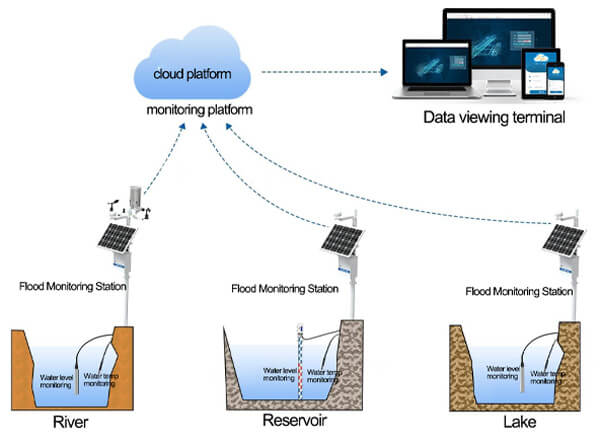
The core of the Watch Duty service relies on human verification rather than automated bots or artificial intelligence to process emergency data. This approach is designed to reduce the delays often associated with automated government alert systems, which can sometimes lag during rapidly evolving weather events. The flood tracking feature includes real-time updates on flash flood warnings, current and projected river gauge levels, and information regarding evacuation orders and shelter locations, according to the official app documentation provided by the developer.
To ensure accuracy, the team monitors radio transmissions from first responders and emergency dispatchers around the clock. This manual vetting process is intended to provide users with actionable, life-saving information as conditions change on the ground. The service also integrates external technical data, such as infrared satellite hotspots from VIIRS and MODIS, to complement the real-time reports provided by its team of reporters and first responders. Users can save specific locations within the app to receive push notifications about nearby safety-impacting events, including both fires and flooding.
The Role of Non-Profit Disaster Reporting
Operating as a 501(c)(3) non-profit organization, Watch Duty maintains its platform without advertisements or subscription-based paywalls for its core services. While the organization offers a $25 annual membership as a way for users to support its mission and access special features, the essential disaster alerting functionality remains free. The platform explicitly states that it is not affiliated with any government agency, though it aggregates information from publicly available and trusted sources, including official government alerts and satellite data.
This model of community-supported, professional-led reporting represents a growing trend in public safety technology, where non-profits fill gaps in official communication channels. By focusing on rapid, verified information, the organization seeks to provide a layer of situational awareness that helps residents make informed decisions during emergencies. The inclusion of flood data is a logical step for a service already equipped to track wildfire perimeters and wind speed, as these factors often overlap with storm and flood risks.
What Users Can Expect Next
With the integration of flood monitoring now complete, the organization has indicated that it intends to introduce additional disaster alert types in the future. As of June 8, 2026, the app continues to provide comprehensive coverage across its existing wildfire tracking features, including air quality readings, air tanker flight tracking, and historical fire perimeters. The developer encourages users to keep their app updated to receive the latest tracking features as they are rolled out.

For those living in high-risk zones, the app serves as a supplementary tool for staying informed. While Watch Duty provides real-time updates and maps, the organization emphasizes that it is not a replacement for official government emergency instructions. Residents are encouraged to monitor local emergency management agency channels alongside the app to ensure they have the most current evacuation orders and safety guidance for their specific jurisdiction. We invite our readers to share their experiences with the updated flood tracking features in the comments below.
Keep reading