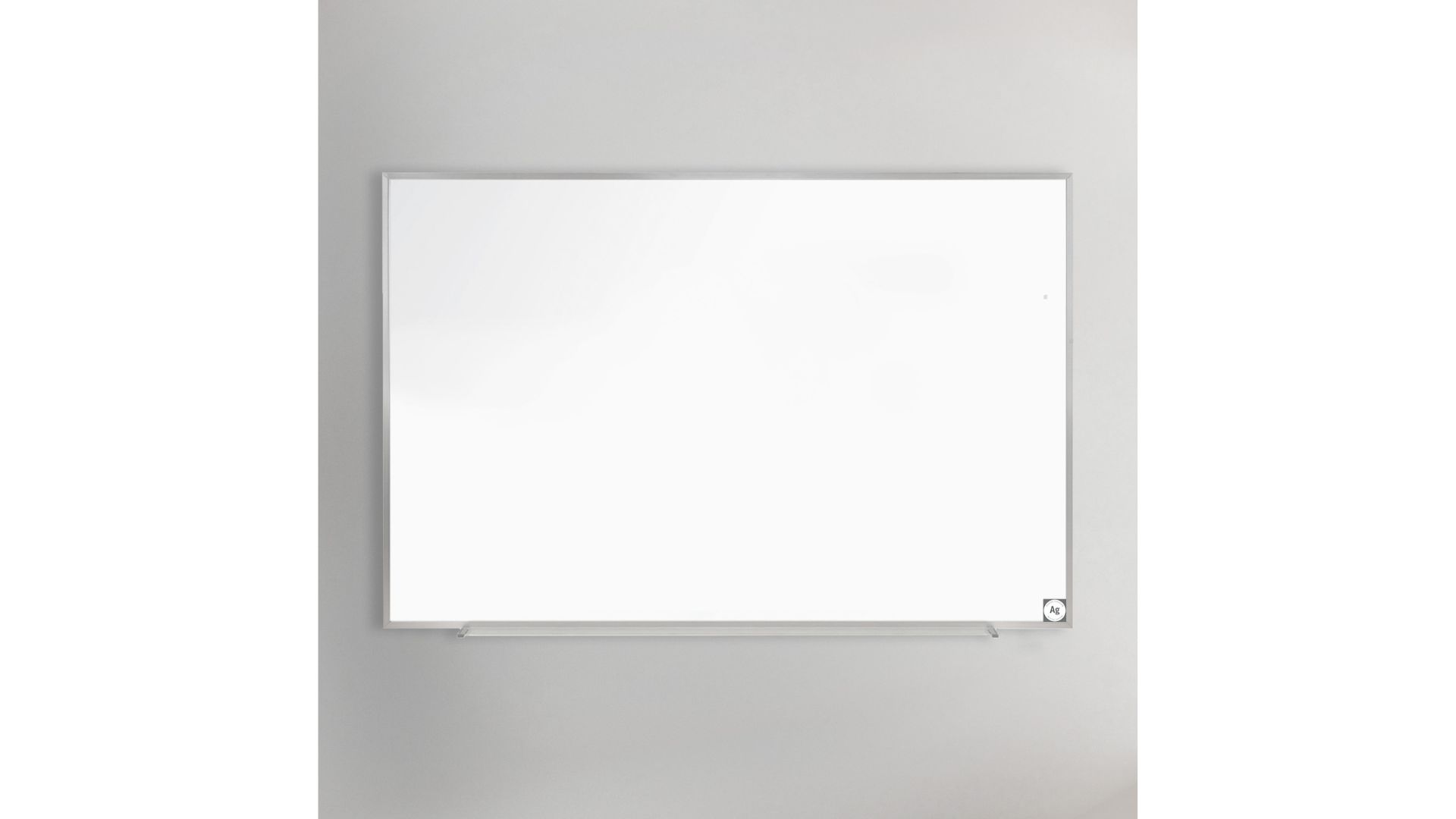
The Rise of Hygienic whiteboards: A Deep Dive into Porcelain Surfaces
In environments demanding frequent cleaning and long-term durability, the traditional whiteboard is evolving. Hygienic whiteboards,particularly those utilizing porcelain-on-steel surfaces,are gaining prominence. This article explores the benefits of these advanced writing surfaces, focusing on the technology behind them and their applications.
What are Porcelain Whiteboards?
Porcelain whiteboards aren’t simply whiteboards with a different coating. They consist of a steel core coated with a layer of porcelain, fired at high temperatures. This process creates a remarkably durable, non-porous surface. Ghent,a leading manufacturer,offers a prime example of this technology with their Hygienic Porcelain Whiteboard (M4) model.
The Benefits of a Porcelain Surface
- durability: Porcelain is highly resistant to scratches, dents, and staining, ensuring a long lifespan even with heavy use.
- Cleanability: The non-porous surface prevents marker ink from penetrating, making it easy to erase cleanly and wholly, eliminating “ghosting.”
- Magnetic Properties: Porcelain-on-steel surfaces are inherently magnetic, allowing for the use of magnets to display notes and materials.
- Hygienic Properties: Modern porcelain whiteboards, like the Ghent M4, often incorporate micro-silver technology. This technology actively reduces bacteria on the surface, making them ideal for healthcare, educational, and high-traffic environments.
Micro-Silver Technology: A Deeper Look
The integration of micro-silver technology represents a notable advancement in whiteboard hygiene. Silver ions have well-established antimicrobial properties. When incorporated into the porcelain coating, they continuously work to inhibit the growth of bacteria, mold, and mildew on the board’s surface. This is particularly vital in settings where cleanliness is paramount, such as hospitals, schools, and food processing facilities.
Applications of Porcelain Whiteboards
Porcelain whiteboards are versatile and suitable for a wide range of applications:
- Educational Institutions: Classrooms, lecture halls, and training centers benefit from the durability and cleanability of porcelain surfaces.
- Healthcare Facilities: Hospitals, clinics, and laboratories require hygienic surfaces to prevent the spread of infection.
- Offices and Conference Rooms: Porcelain whiteboards provide a professional and long-lasting solution for brainstorming sessions and presentations.
- Industrial Settings: Manufacturing plants and warehouses can utilize these boards for visual management and interaction.
Porcelain vs.Other Whiteboard Surfaces
While various whiteboard surfaces exist, porcelain offers distinct advantages. Here’s a brief comparison:
| Surface Type | Durability | Cleanability | magneticity | Hygiene |
|---|---|---|---|---|
| Melamine | Low | Fair | Often Limited | Low |
| Laminate | Medium | Good | Variable | Fair |
| Porcelain | High | Excellent | Strong | High (especially with micro-silver) |
Looking Ahead
The demand for hygienic and durable writing surfaces will continue to grow as organizations prioritize health, safety, and long-term value. advancements in materials science, such as the continued refinement of micro-silver technology, will likely lead to even more effective and innovative whiteboard solutions in the future. Porcelain whiteboards represent a significant step forward in this evolution, offering a reliable and hygienic solution for a wide range of environments.
Keep reading