The Portland Fire have reignited a passionate local following upon their return to the Women’s National Basketball Association, drawing substantial crowds and breathing new life into a nearly forgotten franchise history. According to league attendance tracking, the expansion Fire currently rank fourth across the league with an average turnout of approximately 14,500 fans per game, trailing only the Golden State Valkyries.
This strong wave of support highlights Portland’s long-standing culture of backing women’s sports, translating immediate local enthusiasm into a robust home-court advantage. As the league expands and revisits its roots, the revived franchise has captured the attention of both longtime basketball enthusiasts and a fresh wave of supporters filling arena seats.
Beyond the box office success, the team’s re-emergence has brought profound emotional resonance to players from the franchise’s original era. When the Portland Fire first took the floor for their inaugural game against the Houston Comets on May 31, 2000, center Sylvia Crawley won the opening tip-off, as reported by Sports Illustrated. That initial stint lasted only three seasons before the franchise disbanded during a 2002 league ownership restructuring, scattering players in a dispersal draft and leaving archives largely inaccessible.
Reviving a Lost WNBA Archive
For more than two decades, retired players from the team’s initial 2000–2002 run possessed few tangible records of their professional careers beyond personal scrapbooks and photographs. Crawley noted that she lacked professional game footage to share with her family, as historical highlights had faded from public view after the team dissolved without ever reaching the playoffs.
That dynamic shifted when new ownership group announcements last summer confirmed that Portland’s expansion franchise would reclaim the Fire moniker, alongside its historic archives and digital footage. According to Sports Illustrated, the rediscovery of game clips and historical records provided retired players a powerful sense of validation, transforming quiet memories into accessible public history.
“It all came rushing back to me,” Crawley said, as quoted by Sports Illustrated. “When they started resurrecting everything, it was like, we’re not forgotten. Our stuff is still in the archives. It still exists. It’s still out there for people to see.”
Connecting Past Eras to Modern Expansion
The return of the Portland Fire marks a unique transitional phase for the league, blending historical continuity with modern expansion. While contemporary rosters operate under different ownership structures and inside a vastly transformed sports media landscape, the team’s leadership has emphasized the importance of honoring the athletes who laid the groundwork in the league’s formative years.
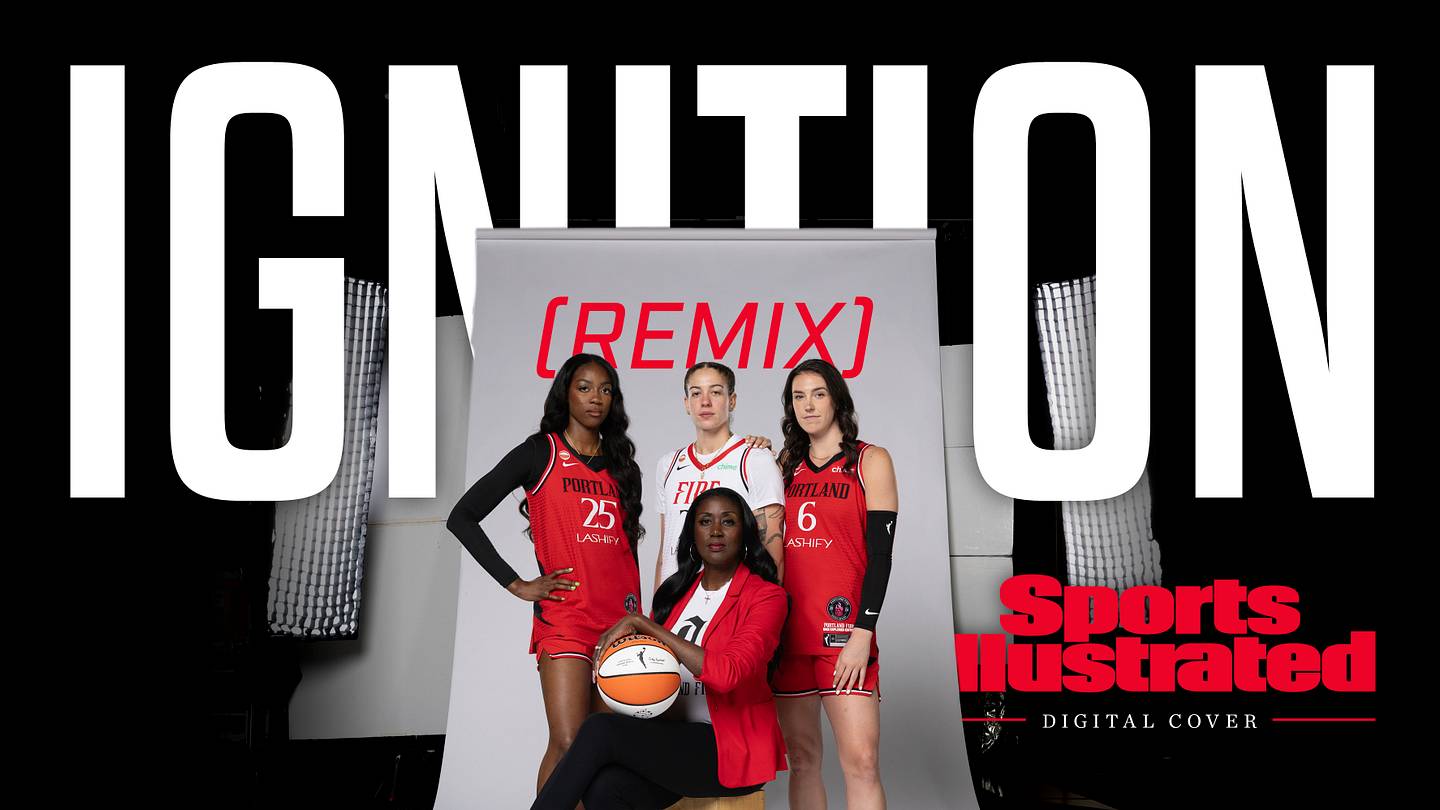
Portland forward Bridget Carleton, selected as the team’s first pick in the expansion draft, noted the significance of bridging generations of players and fans. “Us being a reason to remember those names and remember the people who played here… There’s a lot of new fans in the W, especially right now, so it’s a great opportunity to look back,” Carleton told Sports Illustrated.
This strategy of reclaiming historical franchise identities reflects broader shifts across the league. Similar historical connections are emerging as other franchises prepare to revive defunct or relocated titles, ensuring that early pioneers of women’s professional basketball remain part of the conversation as the sport scales new heights in popularity and attendance.
Keep reading