
Morocco’s national single-window system for foreign trade, PortNet, has initiated a significant expansion of its digital infrastructure to streamline import and export procedures. The recent integration of new electronic modules aims to reduce the physical presence of traders at port facilities and customs offices, effectively digitizing the entire logistics chain for operators across the Kingdom.
According to the PortNet S.A. official portal, this update is part of a broader national strategy to improve Morocco’s ranking in global trade facilitation indices by cutting administrative delays. The system currently serves over 50,000 users and connects more than 120,000 public and private stakeholders involved in the supply chain, as reported by the Kingdom of Morocco’s official government news agency.
Enhancing Digital Connectivity for Trade Facilitation
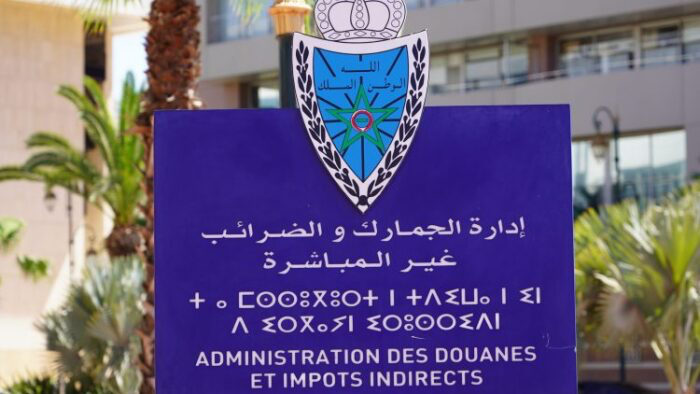
The core objective of the latest PortNet update is the total dematerialization of trade documents, including certificates of origin, import licenses, and customs declarations. By transitioning to a paperless environment, the Moroccan Administration of Customs and Indirect Taxes (ADII) has worked in coordination with PortNet to ensure that all electronic signatures and digital stamps are legally recognized under national law. This shift is designed to eliminate the need for manual document handling, which has historically been a bottleneck for small and medium-sized enterprises (SMEs) operating in the export sector.
The technical deployment follows a series of reforms mandated by the Ministry of Economy and Finance to bolster trade competitiveness. By integrating real-time tracking, traders can now monitor the status of their shipments from the moment they are declared until the goods exit the port, reducing the risk of administrative errors that often lead to storage fees and delays at border crossings.
Impact on Logistics and Supply Chain Efficiency
For logistics operators, the primary benefit of the new digital modules is the drastic reduction in processing time. Previously, the requirement for wet-ink signatures and physical transit of documents could delay clearance by several days. Under the current digital framework, the PortNet platform facilitates near-instantaneous validation between the customs authority, the port operator, and the freight forwarder.

This development is particularly relevant for the automotive and aeronautical sectors, which rely heavily on “just-in-time” supply chain management. According to data from the Moroccan Association of Transport and Logistics (AMTL), the reduction in administrative friction is expected to lower operational costs for exporters, making Moroccan goods more competitive in European and African markets. The platform’s ability to interface with international banking systems also allows for the seamless processing of documentary credits, further simplifying the financial side of foreign trade.
Addressing Cybersecurity and Data Integrity
As the volume of sensitive trade data handled by PortNet increases, the organization has reinforced its cybersecurity protocols. In compliance with the Directorate General for Information Systems Security (DGSSI), all data exchanges are now encrypted, and access controls have been tightened to prevent unauthorized manipulation of trade documents. The transition to a more robust digital architecture is a prerequisite for Morocco’s goal of becoming a major logistics hub connecting Europe to West Africa.
The system is also designed to be interoperable with international single-window standards, facilitating easier data exchange with partner countries. This interoperability is essential for the future implementation of the African Continental Free Trade Area (AfCFTA), which requires harmonized digital customs procedures to function effectively across borders.
Next Steps for Trade Operators
PortNet has scheduled a series of training sessions and technical workshops to assist operators in migrating to the new modules. Users are encouraged to visit the official PortNet help center to access user manuals and video tutorials regarding the updated interface. The administration has indicated that further service integrations will be announced in the coming quarter, specifically targeting the automation of transit declarations for road transport.

Stakeholders are advised to monitor official bulletins from the Customs and Indirect Taxes Administration for updates on mandatory compliance dates for the new electronic filing requirements. Readers interested in the progress of these digital reforms are encouraged to share their experiences and participate in the ongoing discussions regarding the transformation of Morocco’s trade infrastructure.
Keep reading