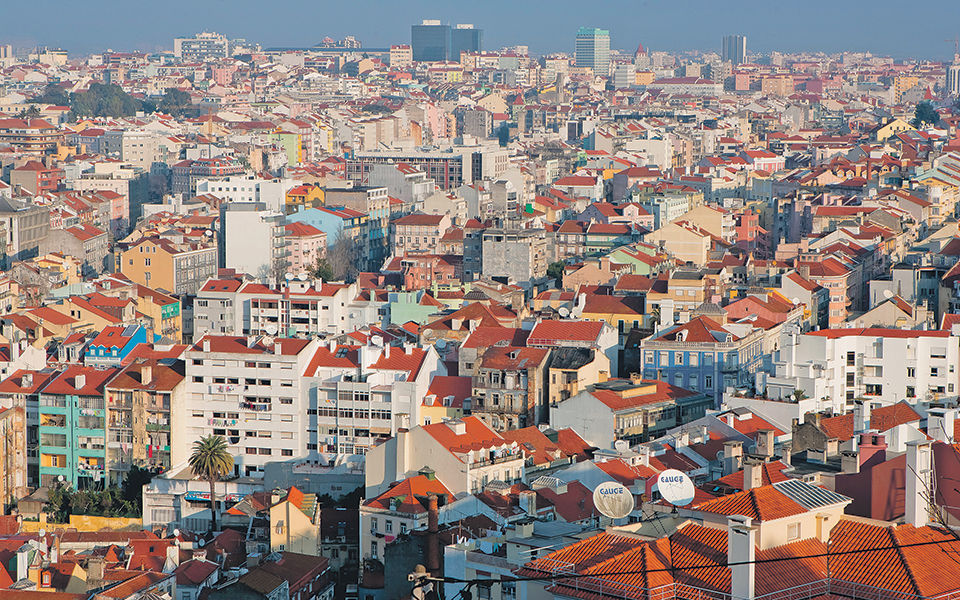
The Portuguese housing market is unlikely to see a stabilization of property prices in the near term, according to leaders in the real estate development sector. Despite shifting interest rates and changing economic conditions, a massive housing deficit and persistent supply shortages continue to drive costs upward across many of the country’s municipalities.
While some observers have looked for signs of a market correction, industry executives suggest that the fundamental imbalance between demand and available inventory remains the primary driver of inflation. This imbalance is characterized by a significant shortage of new residential construction and a growing population in urban centers, creating a landscape where prices remain resilient despite broader economic headwinds.
The current situation reflects a complex intersection of demographic shifts, legislative changes, and structural supply constraints. For investors and residents alike, the Portuguese real estate market presents a scenario where the traditional indicators of a market “cooling” are being offset by a profound lack of affordable housing stock.
Why are Portuguese house prices continuing to rise?
Property values in Portugal have experienced significant upward momentum, with more than half of the country’s municipalities seeing house prices double over an eight-year period. This rapid appreciation has been most pronounced in metropolitan areas such as Lisbon and Porto, where demand from both domestic buyers and international investors remains high.
.jpg "Why are Portuguese house prices continuing to rise?")
Economic data indicates that this trend is not merely a localized phenomenon but a widespread structural issue. The consistent rise in costs is linked to several factors, including the high cost of construction materials and a shortage of skilled labor in the building sector. Furthermore, the influx of international residents—driven by various visa programs and the growing popularity of remote work—has maintained a level of demand that exceeds the current rate of new home completions.
According to market analysts, the pricing trend is less about speculative mania and more about a fundamental mismatch. When the rate of new housing supply cannot keep pace with the rate of population growth and urban migration, the resulting scarcity naturally exerts upward pressure on both purchase prices and rental rates. This has created a cycle where even as interest rates have fluctuated, the underlying value of existing real estate remains high due to the scarcity of alternatives.
Is there a speculative bubble in the Portuguese real estate market?
A central debate among economists and market observers is whether the current price levels in Portugal constitute a speculative bubble. A bubble typically occurs when asset prices rise far above their intrinsic value, driven by expectations of future price increases rather than fundamental economic utility. However, many industry experts argue that the Portuguese market lacks the clear indicators of a speculative bubble.
One key distinction is the presence of a tangible supply-demand gap. In many traditional bubbles, prices rise while supply remains stable or increases, creating a disconnect. In Portugal, the price increases are closely tied to a documented shortage of housing. Because there is a genuine lack of physical units to meet the needs of the population, the high prices are viewed by some as a reflection of market equilibrium in a supply-constrained environment rather than irrational exuberance.
Furthermore, the market has shown a level of resilience that contradicts the typical “pop” seen in speculative bubbles. Even with the increase in borrowing costs following central bank interest rate hikes, the demand for housing in strategic locations has not collapsed. This suggests that the market is being driven by necessity and long-term demographic trends rather than purely by short-term speculative trading.
How does the 300,000-unit housing deficit impact the market?
The scale of the housing shortage in Portugal is substantial, with estimates placing the housing deficit at approximately 300,000 units. This deficit represents a massive gap between the number of households requiring accommodation and the number of available, suitable homes. This shortage affects various segments of the population, from young professionals attempting to enter the market to families looking to upgrade their living situations.
The impact of this 300,000-unit deficit is felt most acutely in the rental market. As the supply of available homes remains low, competition for existing properties intensifies, leading to higher rents and lower vacancy rates. This competition often pushes lower-income residents toward the periphery of urban centers, increasing commuting times and straining local infrastructure.
Addressing this deficit requires significant increases in construction activity, which faces its own set of challenges. Developers have pointed to high interest rates, increased regulatory hurdles, and the rising cost of raw materials as significant barriers to launching new residential projects. Without a concerted effort to incentivize new construction and streamline the permitting process, the deficit is expected to persist, continuing to act as a floor for property prices.
What role does social housing play in moderating rents?
Public policy and the expansion of social housing have emerged as critical tools in the attempt to mitigate the pressures of the private rental market. By increasing the stock of non-market housing, governments aim to reduce the intense competition for limited private-sector units, which in turn can help moderate rent growth.
The expansion of social housing programs provides a necessary buffer for vulnerable populations, preventing displacement and reducing the extreme demand on the lowest end of the private rental spectrum. When the state or local municipalities provide more affordable options, it can alleviate some of the “pressure cooker” effect in urban centers, potentially easing the upward trajectory of rents for all tenants.
However, experts note that while social housing is an essential component of a balanced ecosystem, it cannot solve the housing crisis in isolation. To effectively stabilize the market, a multi-pronged approach is required, combining social housing initiatives with market-driven incentives for private developers to increase the overall supply of mid-market and affordable housing.
Key Market Indicators at a Glance
| Metric | Current Status / Observation |
|---|---|
| Price Trend | Rising; doubling in many municipalities over 8 years. |
| Housing Deficit | Estimated at approximately 300,000 units. |
| Bubble Risk | Low to moderate; driven by supply shortage rather than speculation. |
| Primary Drivers | Supply-demand imbalance, urban migration, and construction costs. |
As the Portuguese government and local authorities continue to debate new housing laws and tax incentives, the market remains in a state of high tension. The next significant checkpoint for the industry will be the release of the next quarterly housing price index from the National Institute of Statistics (INE), which will provide empirical data on whether the current price trajectories are accelerating or beginning to plateau.
What are your thoughts on the Portuguese housing market? Do you believe supply-side measures or rent controls are more effective? Share your comments below and share this article with your network.
Related reading