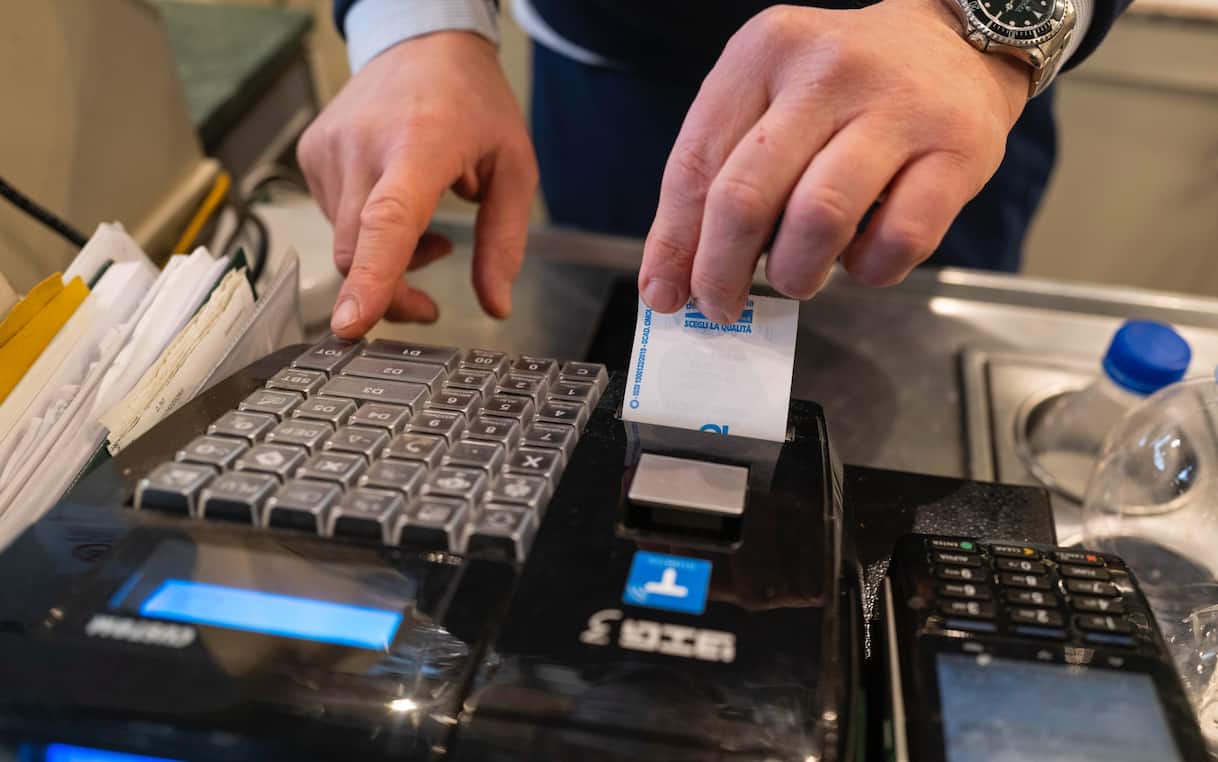
Rome, Italy – Italian tax authorities are intensifying scrutiny of businesses utilizing both Point of Sale (POS) systems and electronic cash registers, signaling a crackdown on potential tax evasion. The move, announced this week, aims to ensure accurate reporting of transactions and close loopholes that have allowed some businesses to underreport income. This increased oversight comes as the Italian government seeks to bolster tax revenue and level the playing field for compliant businesses.
The core of the new initiative centers around verifying the alignment of data between POS systems and electronic cash registers (registratori di cassa). For years, discrepancies have existed, with some businesses allegedly manipulating records to reduce their tax burden. The Italian Revenue Agency (Agenzia delle Entrate) is now implementing automated checks to identify these inconsistencies. This isn’t a new legal requirement, but rather a significant escalation in enforcement of existing regulations. The focus is on ensuring that every transaction recorded on a POS system is accurately reflected in the business’s official accounting records.
Enhanced Data Verification and Compliance Letters
The initial phase of the crackdown involves the issuance of “compliance letters” (lettere di compliance) to businesses identified as having potential data mismatches. According to reports from Corriere della Sera, these letters serve as a warning, providing businesses with an opportunity to self-correct any discrepancies before facing penalties. Businesses receiving these letters are urged to carefully review their records and address any inconsistencies promptly.
The Italian Revenue Agency is employing sophisticated data analysis techniques to identify anomalies. This includes comparing transaction data from POS systems with the information reported in businesses’ VAT (Value Added Tax) returns. The agency is also cross-referencing data with other sources, such as bank records, to build a comprehensive picture of each business’s financial activity. This proactive approach aims to detect and prevent tax evasion before it occurs.
The POS and Electronic Cash Register Link: A Legal Overview
The obligation to accurately link POS transactions with electronic cash register data isn’t new, but the intensity of the enforcement is. Italian law requires businesses to maintain detailed records of all sales, and these records must be consistent across all systems. The purpose of this requirement is to provide tax authorities with a clear and auditable trail of all financial transactions. Il Sole 24 ORE details that businesses must ensure that the data transmitted from the POS system to the electronic cash register is complete and accurate, including the date, time, amount, and payment method of each transaction.
Failure to comply with these regulations can result in significant penalties. The penalties can range from fines to more severe sanctions, including the suspension of business operations. The Italian Revenue Agency has signaled that it will take a firm stance against businesses found to be deliberately evading taxes. The agency is also emphasizing the importance of transparency and cooperation, encouraging businesses to voluntarily disclose any discrepancies in their records.
Potential Errors and How to Avoid Them
Several common errors can lead to discrepancies between POS and cash register data. These include:
- Incorrect POS Configuration: Ensuring the POS system is correctly configured to transmit data to the cash register is crucial.
- Software Glitches: Software bugs or glitches can sometimes cause data transmission errors. Regular software updates and maintenance are essential.
- Manual Input Errors: Incorrect manual input of data, such as transaction amounts or payment methods, can lead to discrepancies.
- Connectivity Issues: Interruptions in network connectivity can disrupt data transmission.
Businesses can mitigate these risks by implementing robust data validation procedures, regularly auditing their records, and investing in reliable POS and cash register systems. Seeking professional advice from tax advisors and IT specialists can also help ensure compliance.
Increased Tax Revenue and the Broader Economic Context
This intensified enforcement effort is part of a broader strategy by the Italian government to increase tax revenue and reduce the shadow economy. Italy has historically struggled with tax evasion, which has hampered economic growth and public finances. The government is hoping that by cracking down on tax evasion, it can generate additional revenue to fund public services and reduce the national debt. The move also aligns with broader European Union efforts to combat tax avoidance and promote fiscal responsibility.
In February 2024, the Italian government announced a series of measures aimed at simplifying the tax system and reducing the administrative burden on businesses. However, these measures were accompanied by a commitment to strengthen enforcement and crack down on tax evasion. The government believes that a fair and efficient tax system is essential for promoting economic growth and social equity. The recent focus on POS and cash register data is a key component of this strategy.
Recent Changes to Tax Rates on Bitcoin
Separately, Italy has also recently increased the tax rate on capital gains from Bitcoin and other cryptocurrencies. According to Il Sole 24 ORE, the tax rate on cryptocurrency gains has been raised from 26% to 42%, bringing it in line with other forms of capital income. This change is expected to generate additional tax revenue and reflects the growing importance of cryptocurrencies in the Italian economy.
The Italian Revenue Agency is investing heavily in technology and personnel to enhance its ability to detect and prevent tax evasion. This includes the development of sophisticated data analytics tools and the training of specialized tax auditors. The agency is also collaborating with other law enforcement agencies to combat organized crime and money laundering. The goal is to create a more robust and effective tax system that ensures fairness and transparency.
Key Takeaways
- Italian tax authorities are increasing scrutiny of POS and cash register data to combat tax evasion.
- Businesses are receiving “compliance letters” outlining potential discrepancies and offering an opportunity to self-correct.
- Failure to comply can result in significant fines and penalties.
- The government is also increasing the tax rate on cryptocurrency gains to 42%.
- Businesses should review their records and seek professional advice to ensure compliance.
The Italian Revenue Agency will continue to monitor transactions closely and is expected to announce further enforcement measures in the coming months. Businesses are advised to stay informed about the latest regulations and to take proactive steps to ensure compliance. The next key date to watch is the deadline for responding to the initial round of compliance letters, which is expected to be announced shortly. Readers are encouraged to share their experiences and insights in the comments section below.