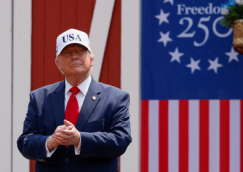
As the United States approaches the 250th anniversary of its founding, the White House is reportedly evaluating a potential wave of presidential pardons, sparking widespread public interest in whether high-profile figures, including Sean “Diddy” Combs, might be included. While the transition period often sees an increase in executive clemency requests, there is currently no official confirmation that specific celebrity cases are under active review by the administration’s pardon team.
The constitutional power of the president to grant clemency remains broad, yet the internal process for selecting candidates is rigorous. While media reports have speculated on the inclusion of various prominent individuals, multiple sources familiar with the administration's internal deliberations have indicated that the formal vetting process remains focused on standard criteria, and there is no evidence that celebrity-specific cases have been fast-tracked for the upcoming anniversary.
Understanding the Presidential Pardon Process
The authority to grant pardons and reprieves for offenses against the United States is vested in the President by Article II, Section 2 of the U.S. Constitution. Applicants must generally meet specific eligibility requirements, including a waiting period following the completion of a sentence, before their petitions are forwarded to the White House for final consideration.

In the context of the nation's 250th anniversary, there has been heightened public discourse regarding potential acts of executive grace. However, legal experts note that the inclusion of any specific individual—particularly those involved in ongoing or high-profile litigation—would be a significant departure from the standard administrative review process.
The Status of High-Profile Legal Cases
The speculation regarding Sean “Diddy” Combs follows his ongoing legal challenges in federal court. On September 17, 2024, an indictment was unsealed in the Southern District of New York charging Combs with racketeering conspiracy, sex trafficking by force, fraud, or coercion, and transportation to engage in prostitution, as reported by the U.S. Attorney’s Office for the Southern District of New York. He has pleaded not guilty to all charges.
Because the legal proceedings against Combs are currently in the active litigation phase, legal analysts emphasize that a presidential pardon is highly unconventional before a conviction is reached. Historically, federal pardons are granted after a conviction has been finalized, although the president maintains the power to issue a pardon at any time after an offense has been committed. There has been no official statement from the White House indicating that the administration is considering pre-conviction intervention in this or any other pending federal criminal case.
What Happens Next in the Clemency Timeline
The administration has not set a specific date for the announcement of any potential commemorative pardons related to the 250th anniversary. The process remains fluid, with the President retaining the right to exercise clemency at any point before the end of their term. For the public and those interested in the legal outcomes of high-profile cases, the next significant updates will likely emerge from the federal court dockets rather than executive action.

As the legal system moves forward, developments in the case against Combs will continue to be documented through public filings in the U.S. District Court. Observers are encouraged to monitor official government press releases and court records for the most accurate information regarding legal status and any potential changes in executive policy. We invite readers to share their perspectives on the role of executive clemency in the modern era in the comments section below.