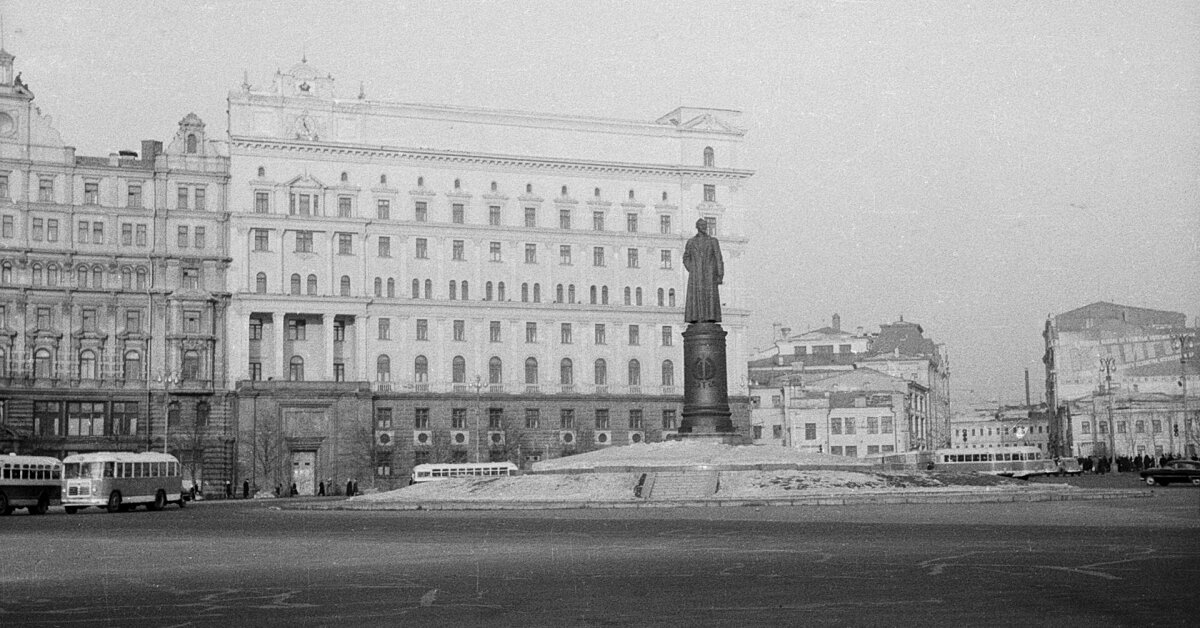
The potential return of the Felix Dzerzhinsky monument to Moscow’s Lubyanka Square remains a subject of intense historical and political debate, reflecting the broader complexities of how the Russian state chooses to reconcile its Soviet past with its contemporary national identity. As discussions regarding the re-installation of the statue periodically surface in public discourse, they inevitably draw focus to the legacy of the man who founded the Cheka, the predecessor to the Soviet secret police and the modern-day Federal Security Service (FSB).
For decades, the site of the former monument has served as a powerful symbol of shifting political tides in Russia. The original statue of Dzerzhinsky, a massive iron monument, was famously removed in August 1991 following the collapse of the failed coup attempt against Mikhail Gorbachev. This act was widely interpreted at the time as a definitive rejection of the Soviet security apparatus’s influence over the state. Today, the debate over its return acts as a barometer for how current authorities view the preservation of Soviet-era symbols and the institutional history of Russia’s security services.
Historical Context and the Symbolic Landscape of Lubyanka
Lubyanka Square is synonymous with the headquarters of the Russian security services. The presence of a monument to the founder of the Soviet political police in such a location carries profound weight. According to historical records documented by organizations such as Memorial, an international human rights organization that has long tracked the history of political repression in the Soviet Union, the square remains a site of immense trauma for many families affected by the Great Purge and other campaigns of state-sponsored violence. The removal of the statue in 1991 was not merely a matter of urban planning; it was a symbolic dismantling of a system that had operated with near-total impunity for decades.


In recent years, the Russian government has adopted a more nuanced—and often contradictory—approach to the Soviet legacy. While the state frequently commemorates the achievements of the Soviet period, particularly the victory in the Second World War, the legacy of internal security organs remains more contentious. The discussion regarding the return of the Dzerzhinsky statue often pits those who view it as a restoration of historical continuity against those who see it as a glorification of the repressive mechanisms of the 20th century.
The Political Implications of Monumental Revisionism
The question of whether to restore the monument is rarely framed as a simple aesthetic decision. Instead, it is inextricably linked to the current political climate in Moscow. Observers of Russian domestic policy note that when the topic of the monument returns to the public sphere, it often serves to test the waters of public opinion regarding the rehabilitation of Soviet-era figures. As noted in analyses by the Carnegie Endowment for International Peace, the use of historical symbols is a key component of state-led efforts to bolster a sense of national pride and continuity, even when that history involves figures responsible for systematic human rights abuses.
The debate also highlights a divide within Russian society. While some segments of the population, particularly the older generation, may view the restoration of such statues as a way to reclaim a sense of order and national strength, human rights activists and historians continue to emphasize the importance of acknowledging the darker chapters of the Soviet experience. The potential re-installation of the statue would, for many, signify a formal endorsement of the methods employed by the Cheka and its successors.
What Happens Next: Monitoring the Discourse
There is currently no official government mandate or confirmed timeline for the return of the Dzerzhinsky monument to Lubyanka Square. The issue remains a recurring theme in political commentary rather than a settled legislative agenda. For those tracking the evolution of Russian memorial culture, the next step involves observing how the state manages public memorials during significant anniversaries or political transitions. Any formal proposal to restore the statue would likely be preceded by public consultations or legislative initiatives, which are typically announced through official state channels such as the Kremlin’s press office or the Moscow City Duma.

As this topic continues to evolve, it remains a critical point of interest for international observers, historians, and those concerned with the intersection of memory, justice, and state power. We encourage our readers to monitor official municipal announcements from the Moscow government regarding public space planning and historic monument preservation. We will continue to provide updates as verified information becomes available.
What are your thoughts on how nations should handle the monuments of contentious historical figures? Join the conversation in the comments section below and share this analysis with your network to keep the discussion going.
Related reading