Five years after the United Kingdom formally left the European Union, the relationship between London and Brussels has been reshaped in ways that extend far beyond the political headlines. The term “Brexit” once dominated global conversations as a defining moment in modern European history, but today, its consequences ripple through trade, governance, and even the cultural fabric of the continent. For sports, travel, and business, the changes have been particularly pronounced, redefining how people and goods move across borders. As Carlos Mendes, Editor of Sports at World Today Journal, examines the evolving dynamics between the UK and the EU, it becomes clear: Brexit is not just history—We see an ongoing process of redefinition.
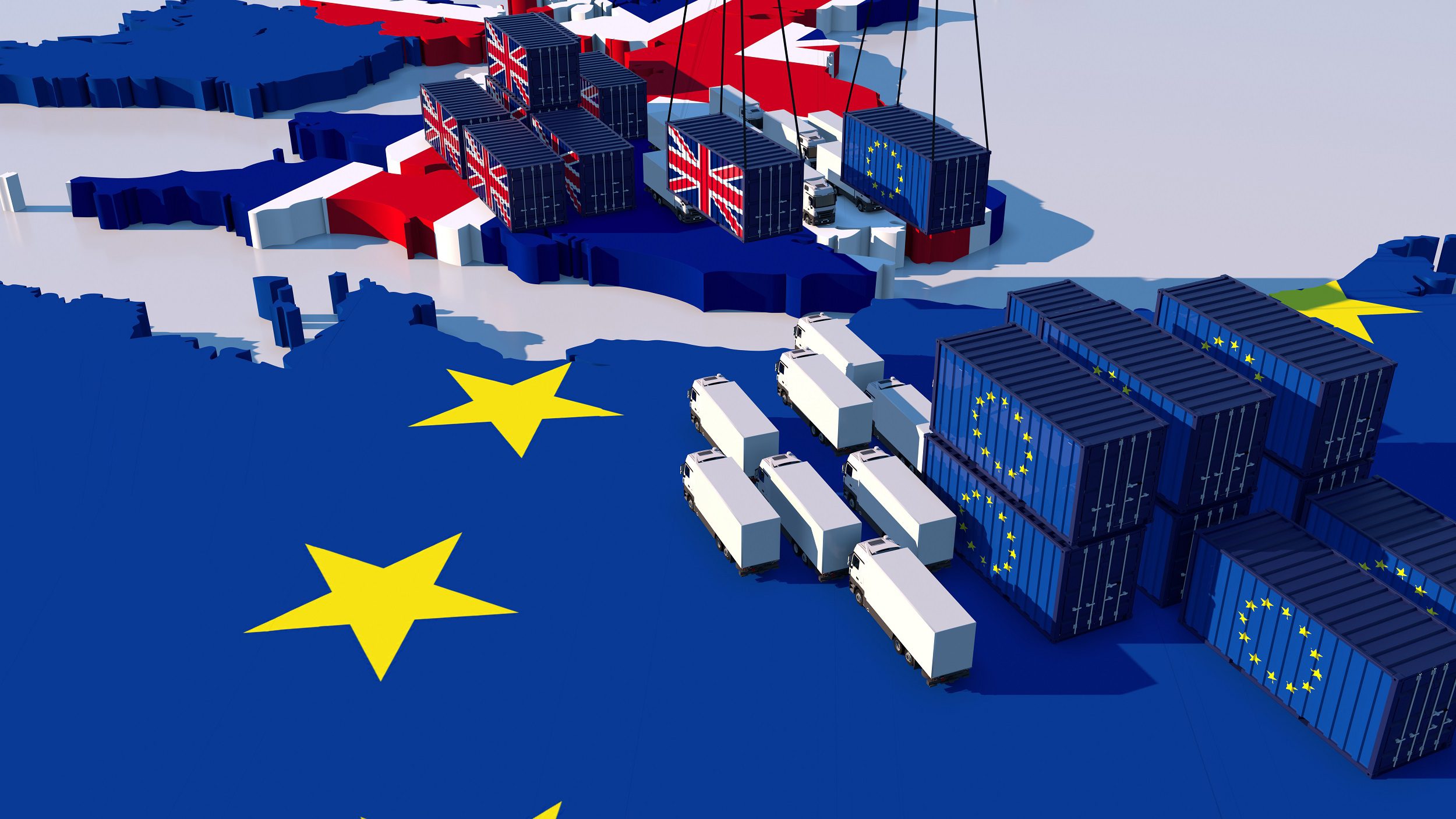
The UK’s departure from the EU single market and customs union on January 1, 2021, marked a turning point. While tariffs were avoided through a negotiated free trade deal, the real challenges emerged from the so-called “non-tariff barriers”—complex new paperwork and bureaucratic hurdles that have disrupted trade flows. Economists and analysts now widely agree that UK goods exports have suffered as a result. Some studies suggest these exports are 30% lower than they would have been had the UK remained in the EU single market and customs union, though other estimates place the impact at around 6%. The discrepancy stems from how researchers measure the “counterfactual”—what would have happened if Brexit had never occurred. What is certain, however, is that smaller businesses have been hit hardest, struggling to navigate the new post-Brexit cross-border bureaucracy.
For sports, the implications are less about trade and more about the intangible: the loss of seamless movement, and collaboration. The EU’s freedom of movement allowed athletes, coaches, and officials to travel and compete without restrictions. Now, with new visa requirements and work permit rules, the ease of cross-border participation has diminished. While the UK has negotiated sector-specific agreements—such as the UK-EU Travel Agreement—the administrative burden remains a barrier for many. This shift has particular consequences for European football, where clubs and players once moved freely across borders. Today, the process is slower, more expensive, and fraught with uncertainty.
Trade and Travel: The New Realities of Post-Brexit Europe
The economic impact of Brexit is not just a matter of statistics—it is a lived experience for businesses and individuals alike. Take the example of UK-based companies exporting goods to the EU. While tariffs have been avoided, the additional costs of compliance—such as customs declarations, VAT registration, and new certification requirements—have created a significant financial drag. A 2024 report by the BBC highlighted that small firms, in particular, have struggled to adapt, with many citing the complexity of post-Brexit trade as a key challenge. For sports equipment manufacturers, So longer lead times and higher costs, which can trickle down to consumers and athletes.

Travel, too, has changed. The UK is no longer part of the EU’s Schengen Zone, meaning visitors from outside the UK must now apply for visas if they plan to stay longer than 90 days. For sports fans, this has made it more difficult to attend events across Europe. While the UK has maintained a special status for Northern Ireland under the Northern Ireland Protocol, the broader implications for travel and tourism are undeniable. The European Commission has emphasized that these changes were necessary to maintain the integrity of the EU’s internal market, but the human cost—felt most acutely by those who relied on the ease of cross-border movement—cannot be ignored.
Sports and Culture: A Fragmented Landscape
The sports world has not been immune to the fallout. European football, in particular, has seen a shift in how transfers and player movements are managed. The UK’s departure from the EU has introduced new layers of bureaucracy for clubs seeking to sign players from Europe. While the UK government has worked to mitigate these challenges through bilateral agreements, the process remains more cumbersome than it was under EU freedom of movement. For athletes, this means additional paperwork, longer processing times, and, in some cases, higher costs associated with securing work permits.
Beyond football, other sports have also felt the impact. The Olympic Games, for example, rely on the seamless movement of athletes and officials across borders. While the UK remains a key player in global sports, the post-Brexit landscape has introduced new complexities. The International Olympic Committee (IOC) has noted that while the UK’s status as a non-EU member has not disrupted its participation in major events, the administrative challenges are a reminder of how deeply interconnected European sports once were.
Looking Ahead: What’s Next for the UK-EU Relationship?
As the UK and the EU navigate this new chapter, the focus remains on finding a balance between sovereignty and cooperation. The UK government has emphasized its commitment to maintaining strong ties with the EU, particularly in areas like security, science, and culture. However, the reality is that the relationship is now defined by negotiation, compromise, and the occasional stumbling block. For sports, this means continued adaptation—whether through new agreements, streamlined processes, or innovative solutions to the challenges posed by Brexit.

The next major checkpoint in this evolving relationship will be the review of the UK-EU Trade and Cooperation Agreement, scheduled for 2027. This agreement, which governs trade, security, and other key areas, will be subject to renegotiation as both sides seek to address the ongoing challenges of post-Brexit life. Until then, businesses, athletes, and travelers will continue to adapt to the new normal—one where the UK is no longer part of the EU but remains deeply intertwined with its European neighbors.
For readers navigating this complex landscape, it’s worth keeping an eye on official updates from the UK Department for International Trade and the European Commission’s Brexit page. These resources provide the latest guidance on trade, travel, and other key issues affecting the UK-EU relationship.
Key Takeaways
- Economic Impact: UK goods exports are estimated to be between 6% and 30% lower due to Brexit, with smaller businesses hit hardest.
- Trade Barriers: Non-tariff barriers, such as complex paperwork, have disrupted cross-border trade more than tariffs.
- Travel Changes: The UK is no longer part of the Schengen Zone, requiring visas for longer stays in the EU.
- Sports Implications: New work permit rules and bureaucracy have made cross-border athlete movements more difficult.
- Future Negotiations: The UK-EU Trade and Cooperation Agreement will be reviewed in 2027, shaping the next phase of the relationship.
- Cultural Shift: The loss of EU freedom of movement has altered how people interact across Europe.
As the dust settles on Brexit’s fifth anniversary, one thing is clear: the relationship between the UK and Europe is being redefined, not just by political decisions, but by the practical realities of daily life. For sports, travel, and trade, the changes are undeniable—and they will continue to shape the future for years to come.
What do you think about the long-term impact of Brexit on Europe? Share your thoughts in the comments below or join the conversation on Twitter using #BrexitAndEurope.
Related reading