
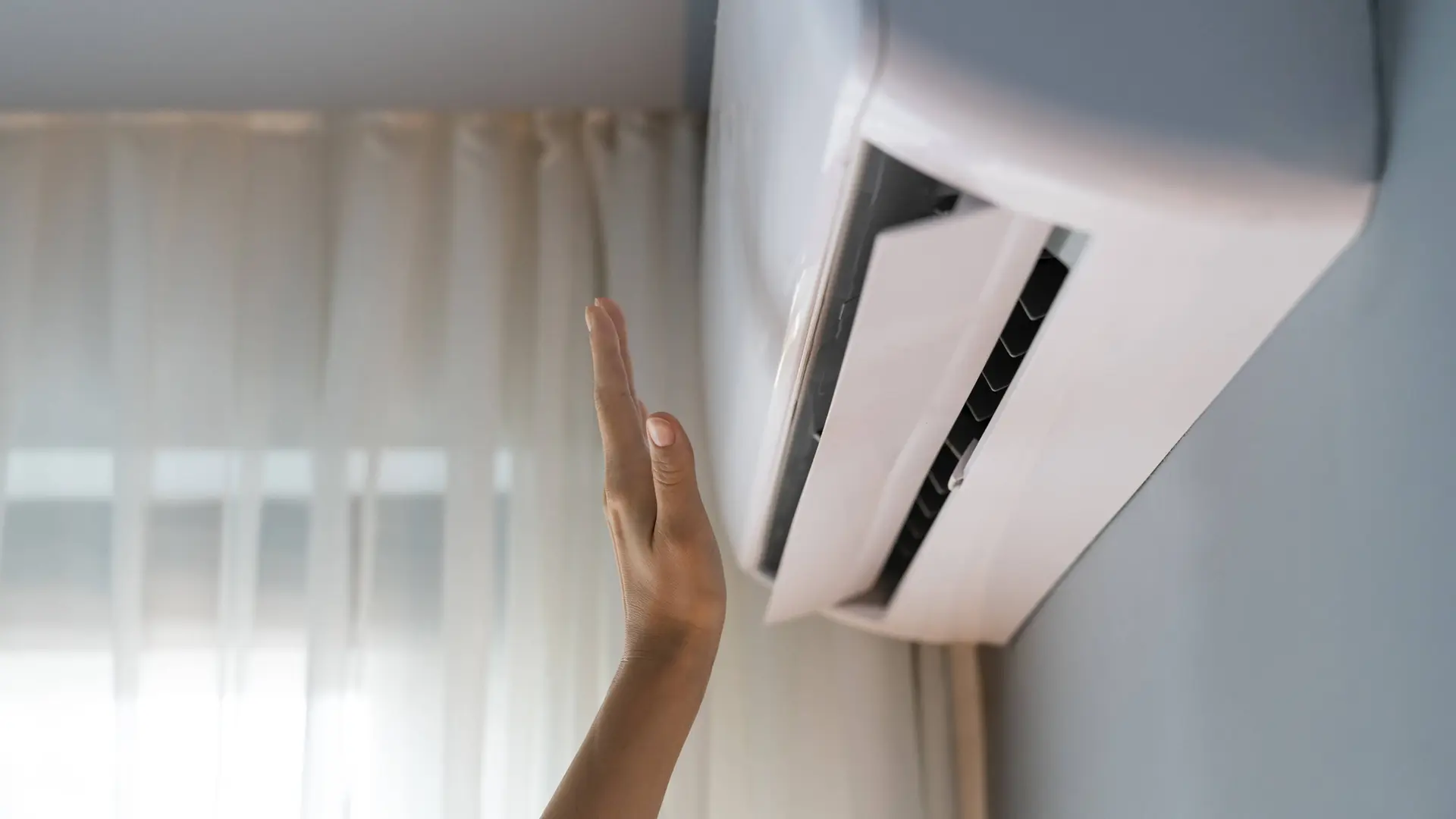
As summer temperatures fluctuate, many individuals are reporting symptoms of illness—such as sore throats, coughing, and fatigue—following periods of intense heat. Medical professionals warn that while these symptoms are often mistaken for a classic “summer flu,” they may frequently be linked to improper cooling practices, such as the overuse of air conditioning or sudden exposure to drafts.
In my clinical experience as a physician, I have observed that the human body often struggles to regulate its temperature when transitioning rapidly between extreme outdoor heat and artificially cooled indoor environments. This thermal stress can weaken mucosal defenses in the respiratory tract, making it easier for pathogens to take hold. According to guidance from the Robert Koch Institute (RKI), while respiratory infections are often associated with colder months, they remain prevalent year-round, and environmental factors like air quality and humidity play a significant role in how our immune systems react to these fluctuations.
Why Improper Cooling Triggers Symptoms
The primary concern during a heatwave is the rapid cooling of the body, which can cause the mucous membranes in the nose and throat to dry out. When these membranes are dehydrated, they lose their ability to effectively filter out viruses and bacteria. A common mistake is setting air conditioning units to temperatures significantly lower than the outside air. Experts suggest that a difference of more than 6 to 8 degrees Celsius between indoor and outdoor temperatures can place unnecessary strain on the cardiovascular system and the respiratory tract.
Furthermore, air conditioning systems that are not regularly maintained can become breeding grounds for mold and dust mites. The German Environment Agency (Umweltbundesamt) emphasizes that proper maintenance and filter replacement are essential to prevent the circulation of pollutants that can mimic flu-like symptoms, including headaches and respiratory irritation. If an air conditioner is running, it is advisable to ensure it does not blow directly onto the body, as this localized cooling can lead to muscle tension and further irritation of the throat.
Distinguishing Between Viral Infections and Environmental Stress
It is important to differentiate between a true viral infection and symptoms caused by environmental stressors. A viral “summer flu,” or enterovirus infection, typically presents with a sudden onset of fever, gastrointestinal distress, and muscle aches. In contrast, symptoms resulting from air conditioning often include a dry, scratchy throat and localized sinus pressure without the systemic signs of a viral fever.
If symptoms persist for more than a few days, or if they are accompanied by a high fever or difficulty breathing, medical evaluation is necessary. The Federal Ministry of Health recommends that individuals monitor their hydration levels and ensure they are not over-exerting themselves during peak heat hours, regardless of whether they are spending time in air-conditioned rooms.
Practical Strategies for Staying Healthy
To mitigate the risks associated with post-heatwave illness, consider the following evidence-based practices:

- Gradual Cooling: Avoid setting air conditioning to extreme cold. Aim for a moderate, consistent temperature.
- Hydration: Maintain consistent fluid intake, as heat and dry air from climate control systems increase the body’s water requirements.
- Ventilation: Prioritize natural ventilation during the cooler morning and evening hours instead of relying exclusively on mechanical cooling.
- Maintenance: Ensure that all cooling equipment is cleaned according to manufacturer specifications to prevent the accumulation of allergens.
As we continue to monitor public health trends regarding seasonal respiratory patterns, the next official update on infectious disease surveillance will be provided by the Robert Koch Institute’s epidemiological bulletins, which are published weekly. For those currently experiencing symptoms, it is recommended to prioritize rest and consult a primary care physician if the condition does not improve within 48 to 72 hours. Please feel free to share your experiences or questions regarding managing summer health in the comments section below.