
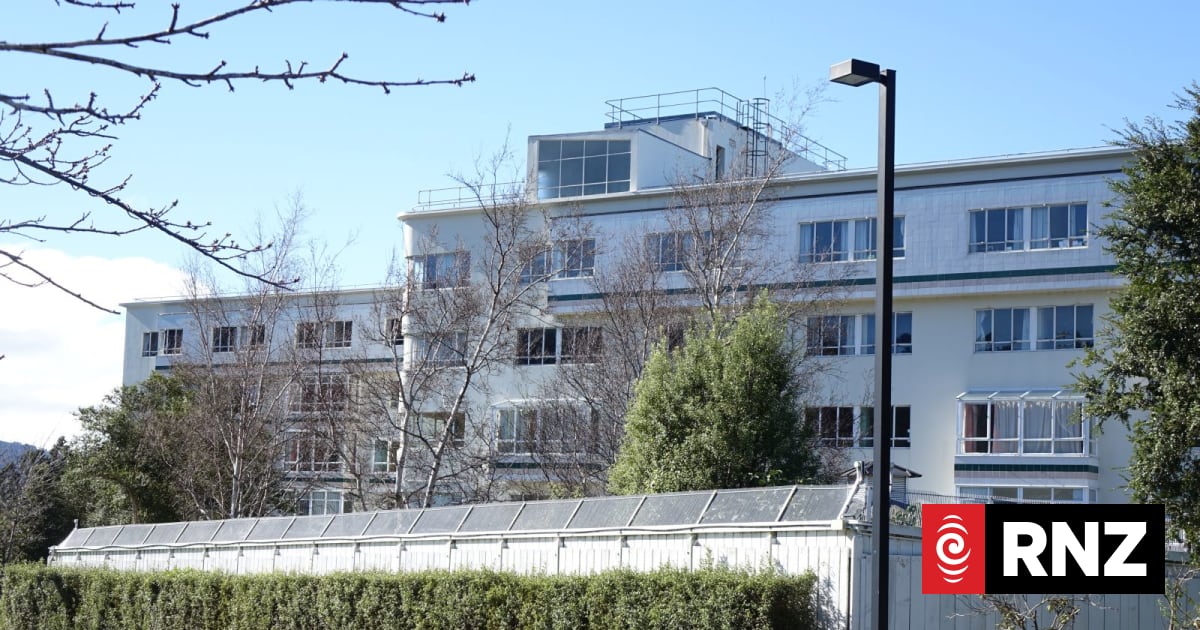
Health New Zealand (Te Whatu Ora) has announced plans to close the Ward 9A inpatient unit at Wakari Hospital in Dunedin following an investigation by the Chief Ombudsman that identified potential human rights abuses. The decision follows a report detailing concerns regarding the environment and the standard of care provided to patients within the facility, which serves as a key mental health site in the Otago region.
The Chief Ombudsman, Peter Boshier, released findings earlier this year highlighting significant issues at the hospital, specifically focusing on the aging infrastructure and the impact of the physical environment on patient dignity. According to official reports from the Office of the Ombudsman, the facility’s design and condition failed to meet international standards for the treatment of people deprived of their liberty, including those under the Mental Health (Compulsory Assessment and Treatment) Act 1992, which governs psychiatric care in New Zealand.
The move to shut down the ward is part of a broader clinical strategy to address these long-standing concerns. Health New Zealand officials stated that the decision was necessary to ensure patient safety and to align the facility with modern therapeutic requirements. The closure is expected to affect current service delivery, prompting a transition period for patients who require ongoing inpatient support.
The Ombudsman’s Investigation and Human Rights Concerns
The investigation into Wakari Hospital was conducted under the Crimes of Torture Act 1989, which mandates that the Ombudsman monitor places of detention to prevent ill-treatment. The report pointed to several critical failures, including the physical state of the wards and the limitations they placed on patient autonomy and privacy. The Ombudsman noted that while staff were working in difficult conditions, the environment itself was not conducive to recovery and posed a risk to the fundamental rights of those held under compulsory treatment orders.
These findings are part of a series of inspections carried out across New Zealand’s mental health facilities. The Ombudsman’s office has consistently raised concerns about the “institutional” nature of older psychiatric units, which often lack the natural light, private space, and modern safety features required for effective mental health care. The full reports and recommendations regarding these inspections are available through the official website of the Chief Ombudsman.
Service Transition and Clinical Impact
For patients and their families, the closure of Ward 9A marks a significant shift in how mental health services will be delivered in Dunedin. Health New Zealand has indicated that it is working to transition patients to alternative care settings that provide a more therapeutic environment. This process involves a clinical assessment of each patient’s needs to ensure that the continuity of care is maintained during the relocation phase.
The union representing health workers, the New Zealand Nurses Organisation (NZNO), has monitored the situation closely, noting that the closure places additional pressure on the remaining staff and infrastructure. The challenges of managing acute mental health demand while simultaneously upgrading or closing outdated facilities remain a point of contention for local health advocates. Further updates regarding the specific timeline for the ward closure and the transition of services are expected to be published by Health New Zealand (Te Whatu Ora) as the transition progresses.
The Future of Mental Health Infrastructure
The situation at Wakari Hospital is reflective of the wider challenges facing the New Zealand healthcare system as it attempts to modernize its mental health estate. The government has committed to a long-term plan to replace or refurbish aging facilities, but the pace of these projects has been a subject of public debate. The Ombudsman’s intervention serves as a formal mechanism to hold health authorities accountable for the living conditions of vulnerable populations.


Stakeholders, including advocacy groups and local health boards, continue to emphasize the need for transparency in the planning of new facilities. The focus remains on shifting from a model of containment to one of recovery, where the physical environment is designed to support, rather than hinder, the clinical outcomes of patients. As the transition at Wakari Hospital continues, the public can monitor official briefings through the Ministry of Health’s reporting channels for updates on facility upgrades and service capacity.
The next confirmed checkpoint for these developments will follow the completion of the transition plan, with further updates expected from Health New Zealand regarding the decommissioning of the ward and the opening of new, modernized psychiatric spaces in the Southern district. Readers are encouraged to share their experiences with local health services or provide feedback via the official Health New Zealand patient portal.