
Public health authorities in Quebec have issued a formal alert after confirming that passengers on a recent flight between Toronto and Montreal may have been exposed to measles. The notification, managed by the regional health department, advises travelers who were on board to monitor their health for symptoms of the highly contagious viral disease. The case underscores the ongoing challenges of managing infectious disease transmission in international and domestic transit hubs.
According to the Montreal Public Health Department, the exposure occurred on a flight connecting Toronto Pearson International Airport and Montréal-Trudeau International Airport. While public health officials have not released the specific airline or flight number to the general public, they have initiated standard contact tracing protocols. Individuals identified as high-risk contacts are being contacted directly by health authorities, while others who were on the flight are encouraged to verify their vaccination status.
Understanding Measles Transmission in Transit
Measles is a highly infectious airborne virus that can remain suspended in the air for up to two hours after an infected person has left a room or, in this instance, a confined aircraft cabin. The virus spreads primarily through respiratory droplets. For individuals who are unvaccinated or have not previously contracted the disease, the risk of transmission in close proximity is significant.
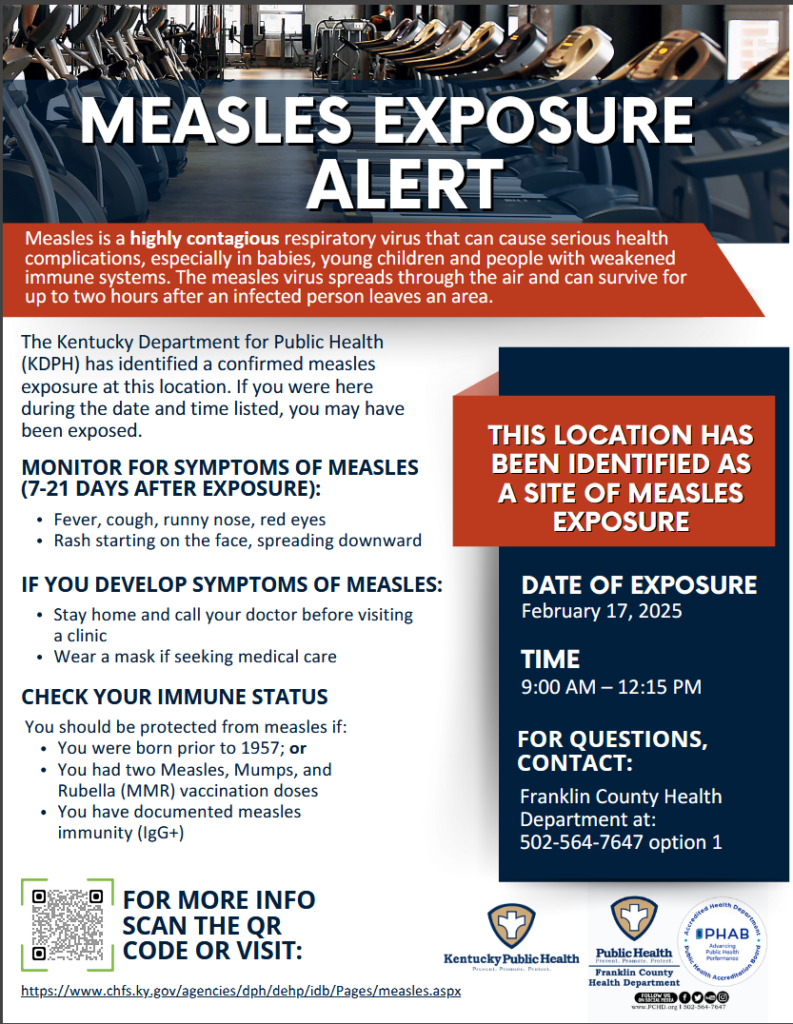
The Public Health Agency of Canada emphasizes that the most effective protection against measles remains the two-dose series of the measles-mumps-rubella (MMR) vaccine. In the context of air travel, passengers are often advised to ensure their immunization records are up to date, particularly given that measles outbreaks can be triggered by a single imported case in a population with varying levels of immunity.
Symptoms and Medical Guidance for Travelers
Travelers who were on the affected flight are urged to watch for symptoms, which typically appear 7 to 21 days after exposure. The initial phase often resembles a severe respiratory infection, characterized by a high fever, cough, runny nose, and red, watery eyes (conjunctivitis). A distinct, blotchy red rash usually develops three to five days after the onset of symptoms, typically starting on the face and spreading downward to the rest of the body.
If you suspect you have been exposed or are experiencing these symptoms, health professionals advise against visiting a clinic or emergency room immediately, as this could expose others in waiting areas. Instead, contact your local health authority or a primary care provider by phone first. They can provide specific instructions on how to seek care safely, including the use of specialized isolation protocols to prevent further spread of the virus within healthcare settings.
Public Health Response and Ongoing Surveillance
This incident follows a broader trend of increased measles activity in various regions, prompting local authorities to maintain vigilance. The Montreal health department continues to coordinate with provincial and federal partners to track potential secondary cases. Because measles can lead to serious complications—such as pneumonia, encephalitis, or pregnancy-related issues—the clinical threshold for investigation remains low for anyone reporting symptoms after known travel-related exposure.
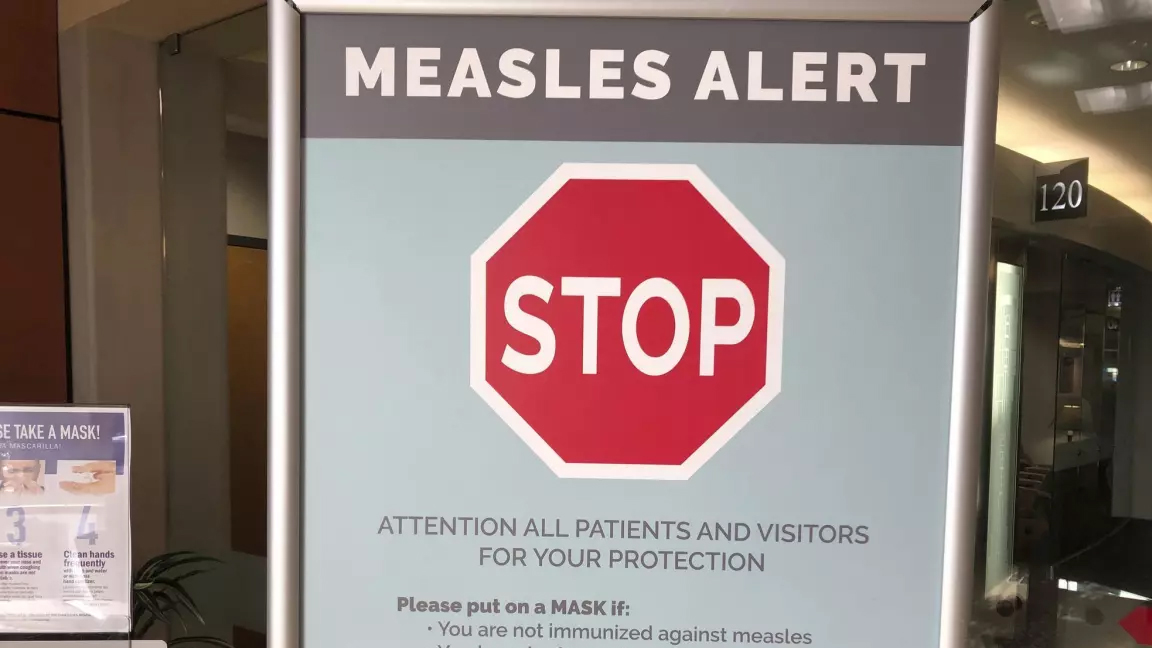
For those uncertain of their immunity, the Government of Quebec suggests checking vaccination records via the provincial health portal or consulting with a pharmacist. Most adults born before 1970 are considered to have natural immunity, but individuals born after this period who lack documentation of two vaccine doses may be considered susceptible. As the investigation into this specific flight continues, updates regarding public safety will be provided through official government health channels. Readers are encouraged to share this information with fellow travelers and monitor official health bulletins for any changes in regional risk assessments.
Related reading