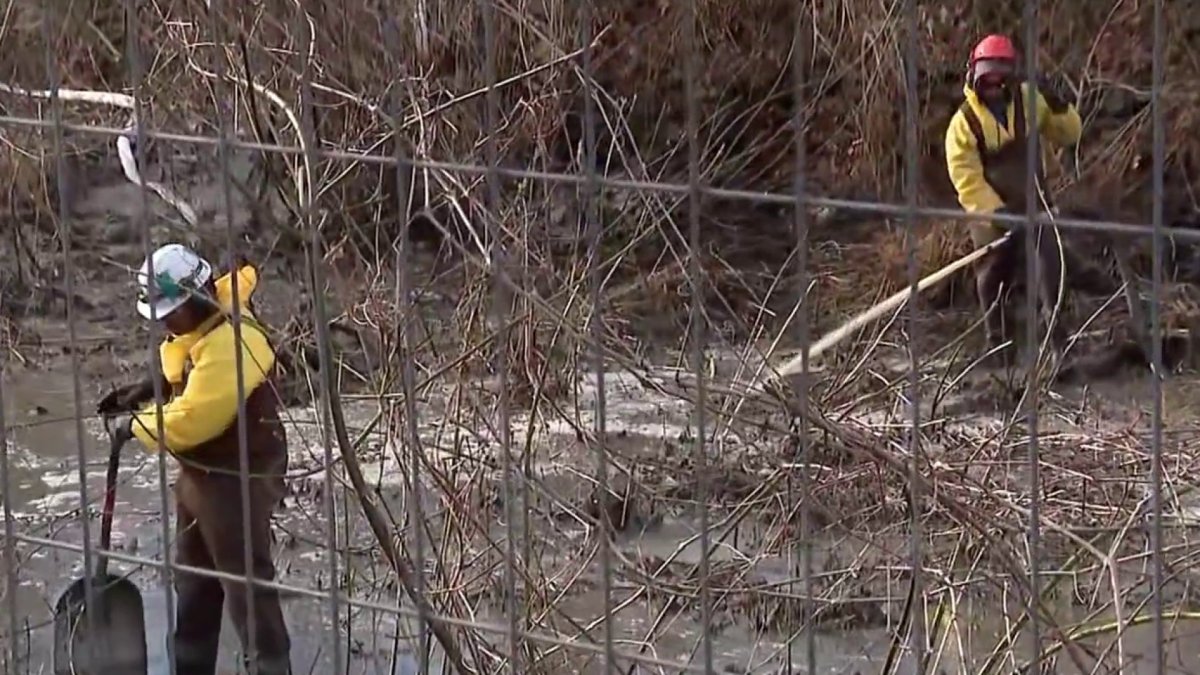
Washington, D.C. – Following months of emergency repairs, the initial phase of restoration is complete for the Potomac Interceptor, a critical sewer line that collapsed in January, releasing hundreds of millions of gallons of wastewater into the Potomac River. While the immediate crisis has passed, a lengthy cleanup and rehabilitation process is now underway, impacting communities along the river and raising questions about the aging infrastructure that underpins the nation’s capital.
The incident, which began on the evening of January 19, 2026, triggered a rapid response from DC Water and federal and local agencies. Security cameras detected unusual activity near an odor control facility along the Clara Barton Parkway, leading crews to discover a significant collapse in the 72-inch pipe. The resulting overflow prompted concerns about water quality, ecological damage, and public health. DC Water activated an emergency bypass on January 24, diverting wastewater flow and halting the discharge into the Potomac, a measure that, according to the utility, prevented an additional 2 billion gallons of wastewater from entering the river.
The completion of initial repairs, marked on Tuesday, involved restoring flow through the repaired section of the interceptor. “Together, we fixed what was broken,” stated DC Water CEO David L. Gadis. “Now, we move toward the rehabilitation on what was impacted.” The focus now shifts to addressing the environmental consequences of the spill and undertaking permanent repairs to the damaged infrastructure. This incident underscores the challenges faced by many aging urban water systems across the United States, where deferred maintenance and increasing strain on infrastructure pose significant risks.
Emergency Response and Initial Containment
The initial response to the sewer line collapse was hampered by severe winter weather, including sub-freezing temperatures. Despite these conditions, DC Water crews and contractors worked around the clock to contain the overflow and protect public safety. The emergency bypass, diverting flows into the Chesapeake and Ohio (C&O) Canal, was a crucial step in mitigating the environmental impact. The U.S. Army Corps of Engineers played a key role in the remediation efforts, with Col. Francis Pera stating that “we have completed emergency remediation activities,” and that “you’ll be hard-pressed to locate a spill along that footprint.”
The National Park Service is now working to flush out the C&O Canal by opening Violette’s Lock upriver from the spill site. This action is part of a broader effort to restore the canal’s ecosystem and address any lingering contamination. DC Water has been providing daily updates and coordinating with local, state, and federal agencies to share information and assess the situation. The utility’s CEO, David Gadis, also serves as Chief Executive Officer and General Manager of DC Water, overseeing a one billion dollar annual budget and a workforce of approximately 1,200 employees, according to DC Water’s website.
Condition Assessment and Long-Term Repairs
A comprehensive condition assessment released on March 5, 2026, detailed the state of the Potomac Interceptor and the events surrounding the collapse. The assessment revealed that over seven years, four internal inspections had identified exposed aggregate and surface reinforcement, but did not indicate imminent structural failure. “We are focused on responding with urgency and sharing information openly as we continue to investigate this unusual event,” Gadis said in a statement. “Our commitment to transparency, accountability, and the health of the Potomac River guides every step.”
Despite the findings of the inspections, DC Water maintains that there was no reason to alter the planned rehabilitation schedule, which was already set to begin this summer. The utility is currently focused on completing the emergency repairs and initiating the long-term rehabilitation project. This project will involve a more thorough assessment of the entire interceptor line and the implementation of measures to prevent future collapses. Gadis emphasized that the collapse was an “unprecedented event” and that the inspection reports did not suggest any immediate risk prior to the incident.
Regional Impacts and Ongoing Restrictions
The sewage spill impacted communities throughout the Washington D.C. Metropolitan area. While restrictions on river access have been lifted in Virginia and the District of Columbia, Montgomery County, Maryland, continues to advise residents to avoid contact with the Potomac River. This advisory remains in effect as a precautionary measure to protect public health. The Maryland Department of the Environment is closely monitoring water quality in the affected areas and will issue updates as conditions improve.
The incident has also raised concerns about the broader issue of combined sewer overflows (CSOs) in the region. DC Water is currently undertaking a $2.7 billion project to build a system of deep tunnels and other infrastructure to nearly eliminate CSOs to the Potomac and Anacostia Rivers and Rock Creek. This project, known as the DC Clean Rivers Project, is a long-term effort to improve water quality and protect the environment. Gadis has also formed a Stakeholder Alliance to address rising rates and aging infrastructure, demonstrating a commitment to community engagement and transparency.
Looking Ahead: Cleanup and Rehabilitation
The remaining cleanup and permanent repairs to the Potomac Interceptor are expected to take several more months. DC Water is working closely with federal, state, and local partners to ensure that the rehabilitation project is completed swiftly and safely. The utility is also committed to providing regular updates to the public and addressing any concerns that may arise. The long-term goal is to restore the Potomac River to its full ecological health and prevent future incidents of this nature.
The incident serves as a stark reminder of the importance of investing in infrastructure maintenance and modernization. Aging water and sewer systems across the country are facing similar challenges, and proactive measures are needed to prevent future failures and protect public health and the environment. The DC Water experience offers valuable lessons for other municipalities grappling with aging infrastructure and the need for sustainable water management practices.
Key Takeaways
- The initial repairs to the Potomac Interceptor are complete, but a lengthy cleanup and rehabilitation process remains.
- The incident highlighted the challenges of aging infrastructure and the need for proactive maintenance.
- Montgomery County, Maryland, continues to advise residents to avoid contact with the Potomac River.
- DC Water is undertaking a $2.7 billion project to eliminate combined sewer overflows in the region.
- Transparency and community engagement are crucial to addressing infrastructure challenges.
DC Water will continue to provide updates on the rehabilitation progress and water quality monitoring results. The next scheduled update is expected in late April 2026, as outlined on the DC Water Newsroom. We encourage readers to share their thoughts and experiences in the comments below and to share this article with their networks.
Keep reading