Prabowo Expresses Condolences Following Death of Iran’s Supreme Leader
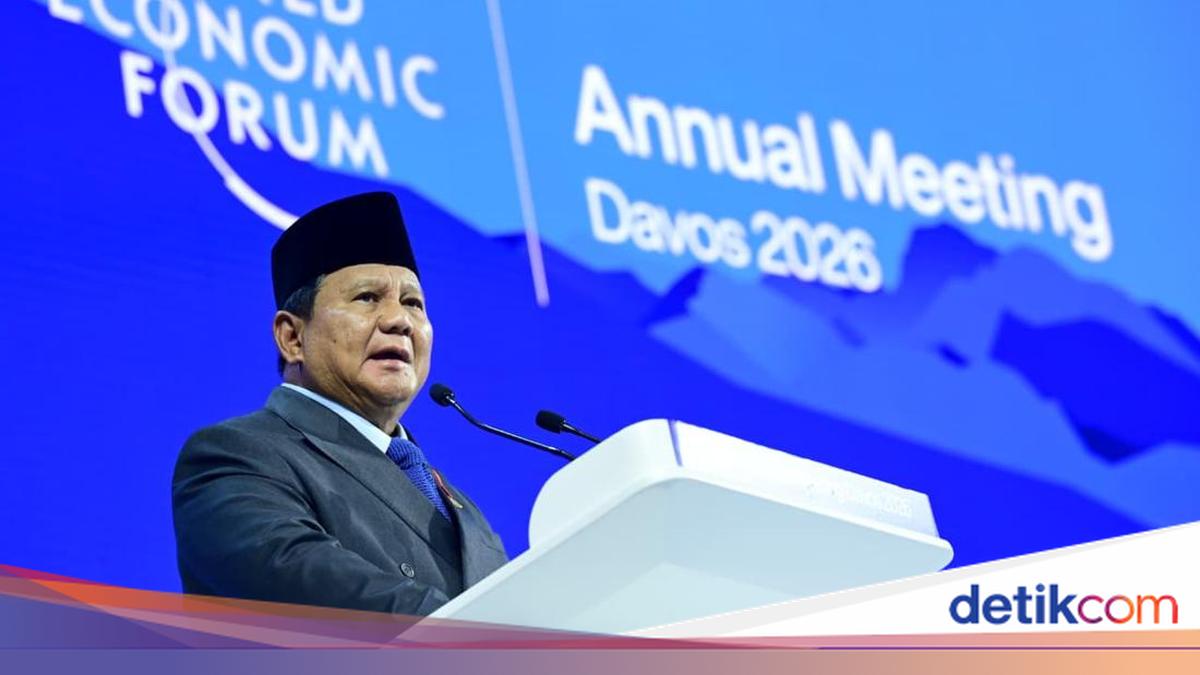
Jakarta – Indonesian President-elect Prabowo Subianto has conveyed his deepest condolences following the death of Ayatollah Ali Khamenei, Iran’s Supreme Leader. The expression of sympathy was delivered through a letter to Iranian President Masoud Pezeshkian, signaling Indonesia’s engagement with the evolving political landscape in the Middle East. This gesture underscores the importance Indonesia places on maintaining diplomatic ties with key regional actors, even amidst periods of significant political transition and international tension.
The letter was formally presented by Indonesian Foreign Minister Sugiono to Iranian Ambassador to Indonesia, Mohammad Boroujerdi, during a meeting in Jakarta on Wednesday, March 4, 2026. According to a post on the Indonesian Foreign Ministry’s official Instagram account (@menlu_ri), the meeting provided an opportunity to discuss the situation in the Middle East, with Sugiono emphasizing the need for all parties to respect international law and prioritize diplomatic solutions to ongoing conflicts. This meeting highlights Indonesia’s proactive approach to regional stability and its commitment to peaceful conflict resolution.
A Region in Mourning
The death of Ayatollah Khamenei marks a pivotal moment for Iran, prompting a period of national mourning and a transition in leadership. Reports indicate that Khamenei will be buried in Mashhad, Iran’s second-largest city and a site of immense religious significance for Shia Muslims. Mashhad is home to the Imam Reza Shrine, one of the holiest sites in the Shia Islamic world, making it a fitting final resting place for the Supreme Leader. The decision to bury Khamenei alongside his father at the Imam Reza Shrine underscores the importance of religious tradition and lineage in Iranian society.
According to reports from Iranian news agency Fars, a “grand farewell ceremony” will be held in Tehran prior to the burial. This ceremony is expected to draw large crowds and serve as a demonstration of national unity and respect for the late Supreme Leader. The Islamic Revolutionary Guard Corps (IRGC) announced details of the ceremony via their Telegram channel, indicating the significant role the military organization plays in managing the transition and maintaining order during this sensitive period.
Indonesia’s Diplomatic Stance
Indonesia’s expression of condolences and its call for de-escalation in the Middle East reflect its long-standing commitment to peaceful diplomacy and regional stability. The Indonesian government, under the incoming administration of Prabowo Subianto, appears poised to continue its active role in mediating regional disputes and fostering dialogue between conflicting parties. This approach aligns with Indonesia’s foreign policy principles, which prioritize non-interference, peaceful conflict resolution, and respect for international law.
The meeting between Foreign Minister Sugiono and Ambassador Boroujerdi also addressed the broader context of the escalating tensions in the Middle East. Sugiono reiterated Indonesia’s position on the importance of upholding international law and the United Nations Charter, emphasizing the need for all stakeholders to exercise restraint and pursue diplomatic avenues to de-escalate the situation. This stance is particularly relevant given the complex geopolitical dynamics in the region and the potential for further escalation of conflicts.
Ayatollah Ali Khamenei: A Legacy of Leadership
Ayatollah Ali Khamenei served as Iran’s Supreme Leader for over three decades, succeeding Ayatollah Ruhollah Khomeini in 1989. His leadership spanned a period of significant political and social change in Iran, marked by both internal challenges and external pressures. Khamenei played a central role in shaping Iran’s domestic and foreign policies, navigating complex relationships with regional and international powers. Understanding his legacy is crucial to comprehending the current political landscape in Iran and the potential implications of his death.
During his tenure, Khamenei oversaw Iran’s nuclear program, which became a major source of contention with the international community. He also played a key role in supporting regional allies and confronting perceived adversaries, contributing to the complex geopolitical dynamics of the Middle East. His influence extended beyond Iran’s borders, shaping the political landscape of the region and influencing international relations.
The Path Forward for Iran
The death of Ayatollah Khamenei initiates a period of succession within Iran’s political system. The process of selecting a new Supreme Leader will be closely watched both domestically and internationally, as it will shape the future direction of the country. The Assembly of Experts, a body of clerics responsible for choosing the Supreme Leader, will convene to determine Khamenei’s successor. This process is expected to be a complex and potentially contentious one, given the diverse political and ideological factions within Iran.
The selection of a new Supreme Leader will have significant implications for Iran’s domestic and foreign policies. The new leader will face numerous challenges, including economic sanctions, regional conflicts, and internal social pressures. The international community will be closely monitoring the succession process and assessing the potential impact on regional stability and global security. The coming weeks and months will be critical in determining the future trajectory of Iran and its role in the Middle East.
As Iran navigates this period of transition, the international community, including Indonesia, will likely continue to emphasize the importance of dialogue, diplomacy, and respect for international law. Indonesia’s commitment to peaceful conflict resolution and its engagement with regional actors position it as a potential mediator in addressing the challenges facing the Middle East. The coming months will test the resilience of regional diplomacy and the commitment of all stakeholders to finding peaceful solutions to ongoing conflicts.
The Indonesian government has yet to announce any specific plans for further diplomatic engagement following the death of Ayatollah Khamenei, but it is expected to continue monitoring the situation closely and offering its support for peaceful and constructive dialogue. The focus will likely remain on promoting regional stability and upholding the principles of international law.
(fca/rfs)
Keep reading