President Prabowo Subianto has publicly asserted that he is aware of the identities behind those financing recent demonstrations in Indonesia, warning that he is monitoring the situation closely. The statement, which has drawn attention from political stakeholders and former officials, follows a series of public protests regarding various legislative and social issues within the country.
According to reports from the national media, President Prabowo Subianto issued a direct warning to these financiers, stating, “I know who is paying for the demos.” This declaration has prompted calls from political figures, including former Chief Justice of the Constitutional Court Mahfud MD, for the administration to provide full transparency regarding the individuals or entities involved in funding such activities. The discourse surrounding these comments highlights ongoing tensions between the executive branch and various civil society groups regarding the nature and origin of public dissent.
Context of the President’s Statement
The president’s remarks were delivered in a context where demonstrations have become a recurring feature of the national political landscape. While the right to peaceful assembly is protected under the Indonesian Constitution, concerns have been raised by government officials regarding the potential for external influence or organized funding to escalate these events. For further information on constitutional rights and assembly regulations, official documentation is available via the Constitutional Court of the Republic of Indonesia (MKRI).
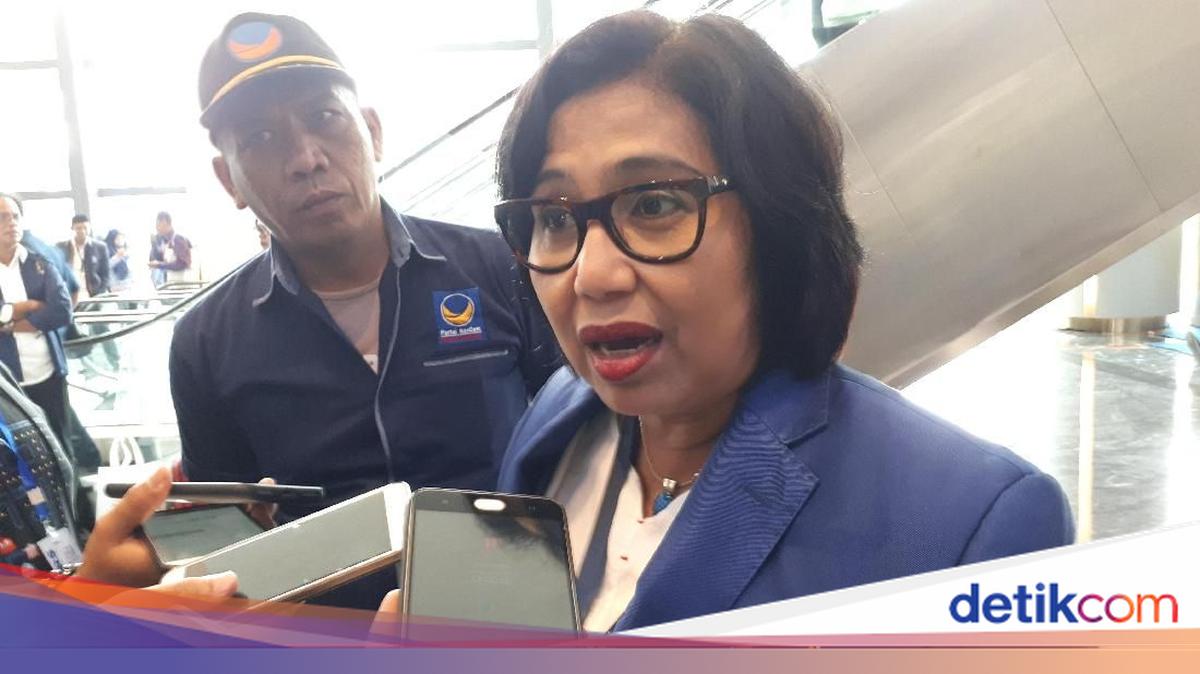
Political observers note that the term “bohir”—a colloquial Indonesian term for a financial backer or patron—has become central to the conversation. Representatives from the NasDem Party have suggested that the government possesses the intelligence capabilities to track these financial flows. By acknowledging this, the administration is signaling a shift toward stricter monitoring of protest logistics and the organizations that provide material support for them.
Calls for Transparency and Accountability
The demand for the government to “open up” about the identities of these financiers has gained traction among opposition voices and academics. Mahfud MD, who served as the Coordinating Minister for Political, Legal, and Security Affairs, publicly suggested that if the President has identified these individuals, the information should be disclosed to prevent public speculation. This call for transparency is grounded in the principle of open governance, which seeks to ensure that state actions are based on verifiable evidence rather than informal accusations.
According to data from the Indonesian National Police (Polri), the management of public order during protests involves strict adherence to Law No. 9 of 1998, which governs freedom of expression in public spaces. Authorities maintain that while they respect the right to protest, they are tasked with investigating any activities that may involve illegal financing or the incitement of civil unrest. The government has yet to release a formal dossier or list of the individuals mentioned by the President, leading to a period of heightened scrutiny regarding the next steps in this investigation.
Political Implications and Public Discourse
The reaction from political parties, including NasDem, reflects a broader concern about how the administration handles internal dissent. Some analysts argue that by focusing on the “bohir” behind the scenes, the administration may be attempting to delegitimize the grievances of the protesters themselves. Conversely, supporters of the administration argue that the President’s warning is a necessary measure to maintain national stability and protect the country from destabilizing foreign or partisan interventions.
This development occurs against the backdrop of a complex legislative year. The interaction between government warnings and public reactions will likely continue to evolve as new bills are introduced in the House of Representatives (DPR). Readers looking for official updates on legislative sessions and government announcements can monitor the House of Representatives of the Republic of Indonesia portal for verified records of parliamentary proceedings.
What Happens Next
As of now, no formal charges have been filed against any specific individuals in relation to the financing of these demonstrations. The administration has not announced a specific timeline for when or if the information regarding these “bohir” will be made public. The next expected checkpoint for this issue will be the upcoming parliamentary hearing where security officials are expected to provide briefings on national stability and civil order.
Public interest remains high, and the potential for further demonstrations persists as various social and economic policies continue to be debated. For those interested in tracking the legal developments surrounding these events, updates will be provided as official statements are released by the Presidential Palace or the National Police. Readers are encouraged to share their perspectives on the importance of transparency in this ongoing political dialogue.