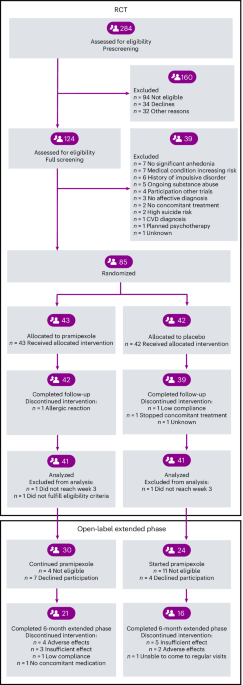
Pramipexole, a medication primarily used to treat Parkinson’s disease and restless legs syndrome, has shown clinical potential in reducing symptoms of anhedonia—the inability to feel pleasure—in patients diagnosed with major depressive disorder, dysthymia, or bipolar depression. According to clinical data, patients receiving the dopamine agonist reported significant improvements in scores on the Snaith-Hamilton Pleasure Scale (SHAPS) compared to those administered a placebo. This finding suggests a potential shift in how clinicians might address the persistent, reward-processing deficits often resistant to standard antidepressant therapies.
As a physician based in Berlin, I have followed the evolving discourse on dopamine-targeted therapies for mood disorders for over a decade. Anhedonia remains one of the most challenging aspects of clinical depression, often persisting even when other symptoms like low mood or sleep disturbances improve. The recent focus on pramipexole highlights the ongoing effort to move beyond traditional serotonin-based models of depression, aiming instead to engage the brain’s reward circuitry directly.
Understanding Anhedonia and the Role of Dopamine
Anhedonia is fundamentally a disruption of the brain’s reward system. While selective serotonin reuptake inhibitors (SSRIs) are the frontline treatment for depression, they frequently leave the patient’s capacity for pleasure and motivation largely untouched. The National Institute of Mental Health notes that depression is a heterogeneous condition, and for many, the lack of interest in previously enjoyed activities is the most debilitating symptom. Because dopamine is the primary neurotransmitter involved in reward anticipation and motivated behavior, researchers have increasingly investigated whether dopaminergic agents can “bridge” this gap.
Pramipexole acts as a dopamine agonist, specifically targeting the D3 receptors, which are highly concentrated in the ventral striatum—a key region for reward processing. By stimulating these receptors, the drug aims to restore the sensitivity to positive stimuli that is often dampened in patients with persistent depressive symptoms. Unlike traditional stimulants, pramipexole does not typically cause the same rapid tolerance or abuse potential, making it a subject of intense investigation for long-term psychiatric management.
Evaluating the Clinical Trial Evidence
The recent randomized, placebo-controlled trial focused on the Snaith-Hamilton Pleasure Scale (SHAPS) as its primary outcome measure. The SHAPS is a validated 14-item questionnaire designed to quantify the ability to experience pleasure in a variety of social, sensory, and recreational contexts. Participants who were treated with pramipexole demonstrated a statistically significant reduction in their SHAPS scores, indicating an increased capacity for hedonic experience compared to the control group.
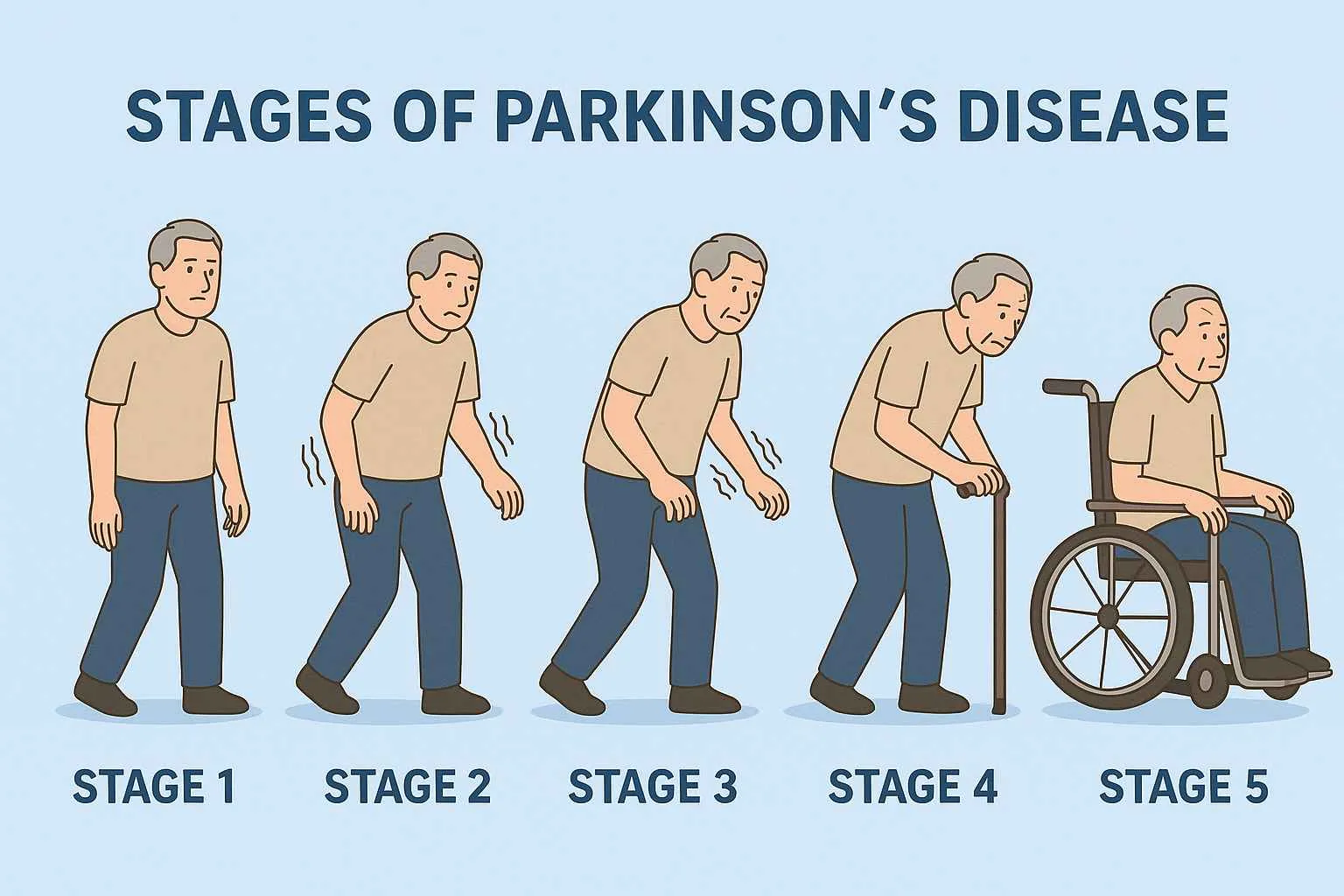
It is important to note that while these results are promising, the application of pramipexole in psychiatry is considered “off-label” in many jurisdictions. The European Medicines Agency maintains the approved indications for pramipexole primarily within the scope of Parkinson’s disease and moderate-to-severe restless legs syndrome. Clinicians who consider prescribing this agent for depression must carefully weigh the potential for side effects, which can include nausea, dizziness, somnolence, and, in some cases, impulse control disorders. Patient safety monitoring is essential, particularly for those with a history of bipolar disorder, where dopamine agonists carry a theoretical risk of inducing hypomania or mania.
What This Means for Future Treatment Pathways
The shift toward targeting specific symptom clusters, such as anhedonia, reflects a broader trend in personalized psychiatry. Rather than treating depression as a monolithic diagnosis, the field is moving toward identifying neurobiological markers that respond to specific mechanism-based interventions. The use of the SHAPS scale in this trial underscores the necessity of using granular metrics to evaluate whether a treatment is truly improving a patient’s quality of life, rather than just reducing the severity of a broad depression score.
For patients and their families, these developments represent a hopeful step toward addressing “treatment-resistant” symptoms. However, the path from clinical trial success to routine clinical practice is complex. Regulators require extensive data on long-term safety and efficacy before expanding indications for existing medications. The next phase of research will likely involve larger, multi-site trials to confirm these findings across more diverse patient populations and to establish optimal dosing regimens that minimize adverse effects while maximizing reward-circuit activation.
Next Steps in Clinical Research
The scientific community is currently awaiting further peer-reviewed publications that will detail the specific dosing intervals and the duration of treatment required to maintain these improvements. According to the U.S. National Library of Medicine, there are several ongoing investigations into dopaminergic agents for mood disorders, which will likely provide a more comprehensive picture of the risk-benefit profile in the coming 18 to 24 months. These future updates will be critical for determining whether pramipexole becomes a standard adjunctive therapy for refractory depression.
If you or a loved one are managing symptoms of depression, it is essential to consult with a board-certified psychiatrist before making any changes to a medication regimen. Clinical advancements are continuous, and discussing the latest research with a healthcare provider can help ensure that treatment plans remain evidence-based and aligned with individual health needs. We encourage our readers to share their thoughts on the evolution of psychiatric treatment in the comments section below.
Worth a look