Beyond Thoughts and Prayers: Finding Resilience and action After Tragedy
The echoes of gunfire at Annunciation Catholic School in Minneapolis on August 27th, 2025, reverberated far beyond the school walls, leaving a community shattered and a nation once again grappling with the agonizing reality of gun violence. Two young lives were tragically lost, and eighteen children and three adults sustained injuries during a school year kickoff Mass. In the immediate aftermath, a powerful wave of grief and solidarity swept through minnesota, manifested in vigils, shared tears, and heartfelt gratitude for first responders. But as the initial shock subsides, a familiar and often divisive debate has reignited: is it time for action, or simply a moment for “thoughts and prayers”?
This article delves beyond the surface of this complex issue, exploring the role of faith in times of crisis, the political tensions surrounding gun control, and - crucially – how communities can move forward with both resilience and proactive change.We’ll examine the enduring power of prayer,its connection to social action,and the path toward preventing future tragedies.
A Community United in Grief and Remembrance
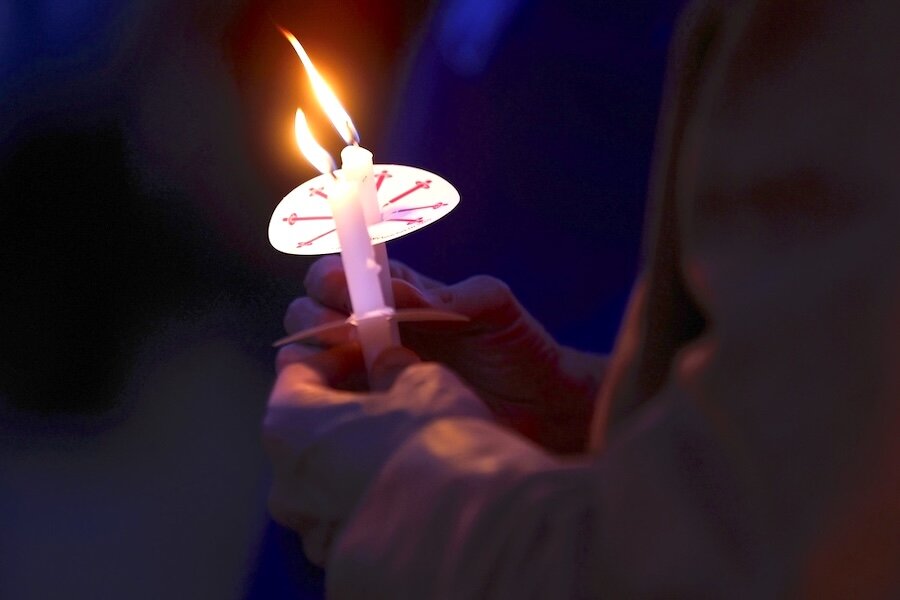
The response to the shooting was immediate and deeply moving. Hundreds gathered in parks and churches, seeking solace and a shared space to process the unimaginable. Candles flickered, flowers bloomed as symbols of remembrance, and heartfelt thanks were extended to the teachers and emergency personnel who bravely responded.
At Annunciation Church, Reverend Dennis Zehren offered a message of hope amidst the darkness, urging his congregation to hold onto their faith, anticipating “a little light” to dawn. This sentiment - the enduring belief in finding strength and renewal even in the face of profound loss – resonated deeply with the community. The tragedy underscored the vital role faith communities play in providing comfort, support, and a sense of belonging during times of crisis.
The political Divide: Action vs. Platitude?
However, the outpouring of grief was quickly followed by a familiar political clash. Minneapolis Mayor Jacob Frey, visibly shaken, implored the nation to move beyond empty gestures. “Don’t just say this is about thoughts and prayers right now. These kids were literally praying,” he stated, highlighting the frustration felt by many who see “thoughts and prayers” as a hollow response to systemic violence.
This statement ignited a firestorm. Accusations flew, with some on the political right claiming the left was diminishing and disrespecting religious practise. Conversely,those advocating for stricter gun control argued that “thoughts and prayers” had become a platitude used to deflect from the urgent need for legislative action.
This debate, however, presents a false dichotomy. It falsely frames prayer as passive acceptance, ignoring its potential to be a powerful catalyst for change.
The Power of Prayer: More Than Just Words
The notion that prayer and action are mutually exclusive is a misconception. In reality, for a significant portion of the American population, prayer is not simply a passive expression of hope, but a deeply ingrained practice that fuels spiritual and practical action.
The 2025 Pew Religious Landscape Study reveals that over 60% of Americans incorporate prayer into their lives, with 44% praying daily. https://www.pewresearch.org/religion/ This demonstrates the enduring importance of faith in American society.
Reverend Shannon Johnson Kershner of Central Presbyterian Church in Atlanta eloquently articulated this connection in a recent CNN interview: “I believe prayer works because it changes us. Prayer gives us the vision to see everyone as God’s beloved, and then it motivates us into acting that out in the way we live our lives and… use our resources.”
This viewpoint aligns with a long tradition of faith-based activism, where spiritual conviction serves as a driving force for social justice and positive change. Father Zehren echoed this sentiment, assuring his congregation that “There is no darkness that God can’t bring life from. There’s no sorrow that God can’t spring joy from.” This isn’t simply about wishful thinking; it’s about finding the inner strength and moral imperative to work towards a better future.
Moving Forward: A Path to Resilience and Prevention
The tragedy at Annunciation Catholic School demands more than just grief and debate. It requires a multifaceted approach that combines compassionate support for victims and their families with concrete steps to prevent future violence.This includes:
* Strengthening Gun Safety Laws: This remains a central point of contention, but exploring common-sense measures like global background checks, red flag laws, and restrictions on assault weapons is crucial. Resources like Everytown for Gun Safety ([https://everytownresearch.org/](https://everytown