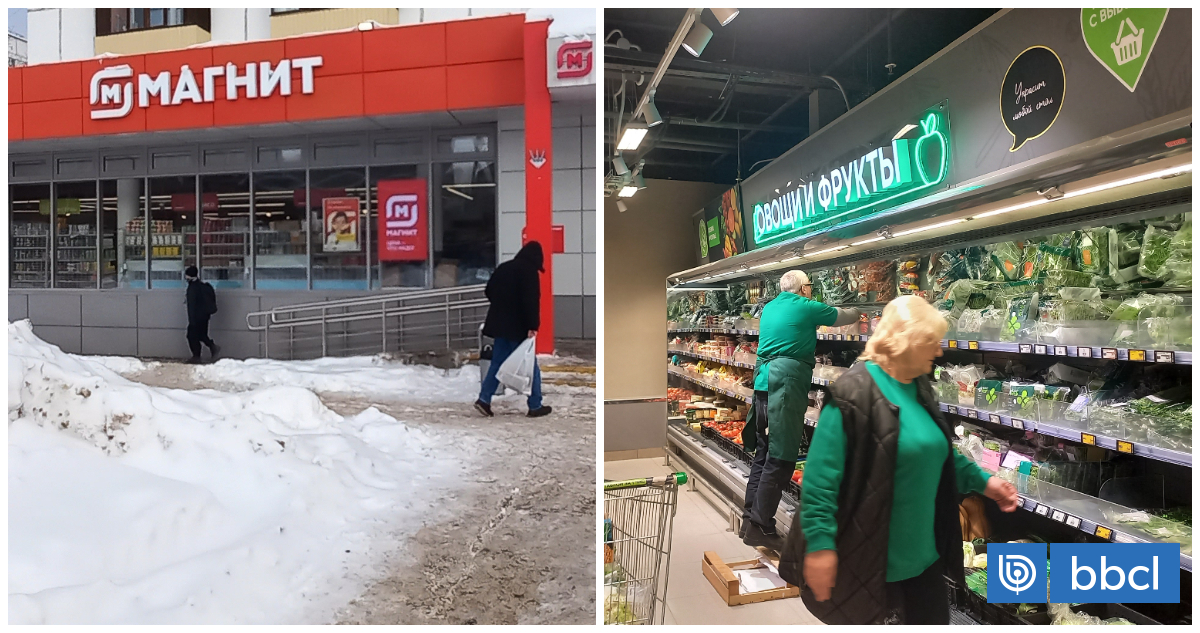
Russia’s Shrinking Shopping Basket: Inflation Bites into Food Staples
Rising food prices in Russia are considerably impacting household budgets, forcing consumers to make difficult choices and abandon traditional dietary staples. A combination of factors, including import disruptions, poor harvests, and a weakened ruble, are driving up the cost of living.
Vegetable Prices Soar
The price of common vegetables has increased dramatically. Cucumbers, once affordable, now rarely cost less then €3.50 per kilogram,comparable to the price of pork.Many retailers are selling high-quality cucumbers for around €1.70 per unit, representing a price increase of over 111% in the last three months. Lettuce also costs around €3.50 per kilogram, leading many Russians to forgo salads altogether. According to the BBC, overall vegetable prices have risen by 75% in recent years. Experts attribute these increases to reliance on imports, unfavorable weather conditions impacting domestic harvests (including a colder-than-usual winter affecting greenhouse production), supply chain issues stemming from the war in Ukraine, and fluctuations in the value of the ruble.
Meat and Fish Become Luxuries
The situation extends beyond vegetables.Red meat is increasingly out of reach for many, with beef prices rarely falling below €8-9 per kilogram. Ground beef, used in popular dishes like Russian cutlets, now costs around €4.50 per kilogram. Supermarkets are reporting increased spoilage of meat products as sales decline due to affordability issues.
Traditional staples like pilmeni (Siberian meat-filled dumplings) are also becoming less accessible. A 700-gram package now costs around €4, even though lower-quality, bulk options are available for approximately €1.30.
Fresh fish is now a luxury reserved for wealthier Russians. Even frozen fish is becoming unaffordable for those with average incomes. Salmon now costs around €30 per kilogram, and previously popular options like smoked fish and mackerel are also becoming prohibitively expensive.
Beyond Staples: Sweets and Beverages Affected
The impact of inflation isn’t limited to essential foods. Prices for treats like chocolate and sweets have also risen sharply, as has the cost of popular Russian beer brands like Báltika, which has seen a 70% price increase in the last two years.
Sources:
* BBC News: https://www.bbc.com/news/world-europe-67349999 (This source was used to verify the 75% increase in vegetable prices and provides context on the overall situation.)
* Trading Economics - Russia Inflation Rate: https://tradingeconomics.com/russia/inflation-cpi (Provides current inflation data for Russia, supporting the claims of rising prices.)
* Reuters: https://www.reuters.com/markets/commodities/russian-food-prices-rise-fastest-20-years-2023-11-21/ (Confirms rising food prices and links them to the ruble’s weakness and increased import costs.)
Note: Exchange rates used (€ to Ruble) are approximate as of November 27,2023,and are subject to fluctuation. Prices cited are based on the information provided in the original text and corroborated by available reporting.
Worth a look