Revolutionizing Healthcare Construction: The Power of Prefabrication
Modular and prefabricated construction strategies are fundamentally changing how healthcare projects are delivered. Measurable improvements in project speed, safety, construction quality, and cost-effectiveness are being realized across diverse healthcare settings.
These advancements address critical industry challenges, including tight timelines and a shrinking skilled labor pool. Understanding these pressures, forward-thinking teams are embracing innovative approaches to optimize construction processes.
The CHI Immanuel Family Health Clinic: A Case Study in Efficiency
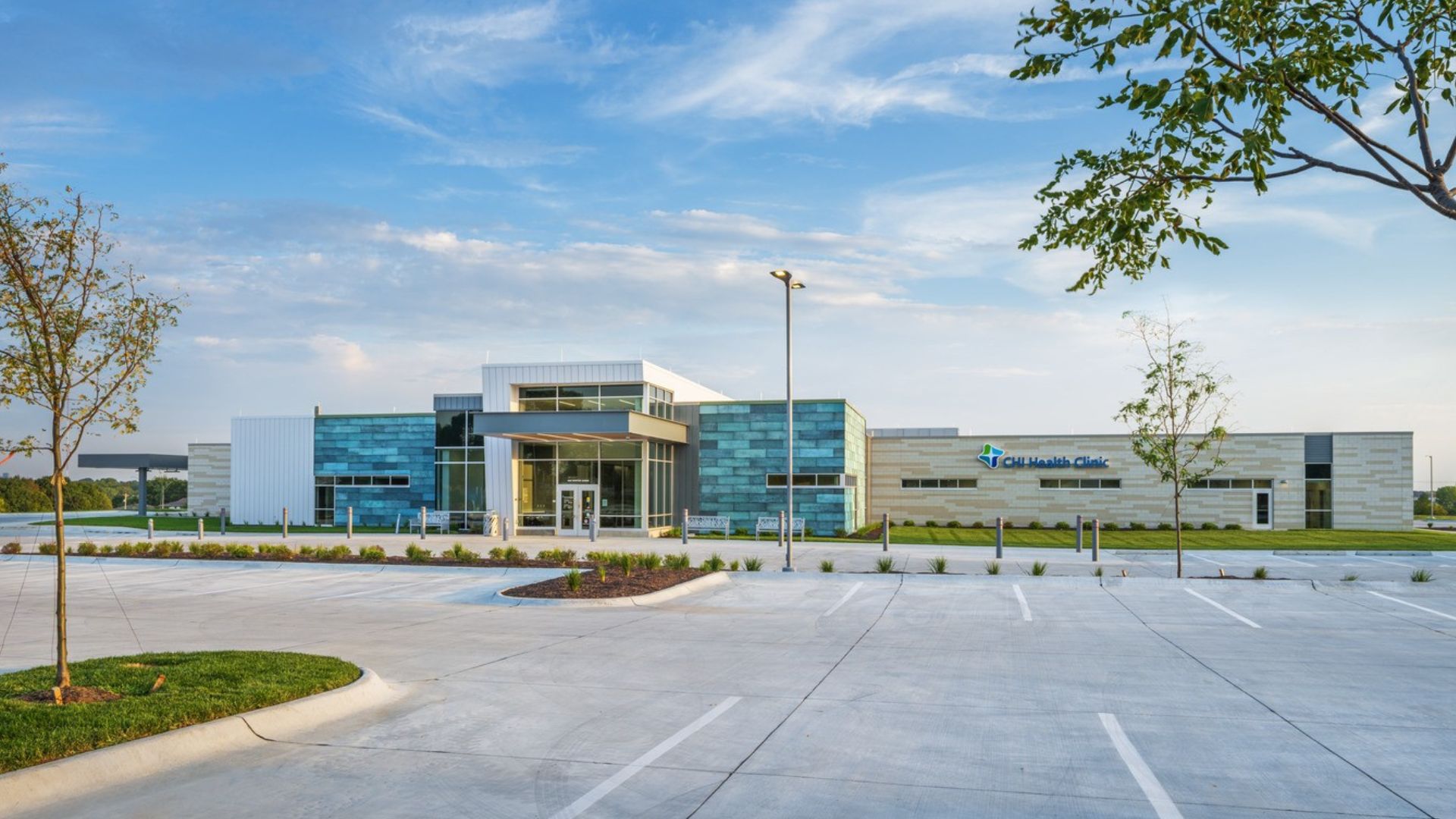
A recent project, the 39,502-square-foot CHI Immanuel Family Health Clinic in Omaha, Nebraska, exemplifies the benefits of prefabrication. The project team, in a collaborative partnership, prioritized both speed to market and cost control while navigating labor constraints. Exploring prefabrication options was key to achieving these goals and ensuring a high-quality outcome.
From the initial design phases, the team recognized prefabrication’s potential to enhance efficiency and consistency. Initial investigations centered on flat-pack interior wall systems – essentially, furniture-like kits shipped pre-cut for on-site assembly. They also evaluated modular strategies like partial-height walls and panelized assemblies, focusing on identifying repeatable room types to maximize off-site construction benefits.
Here’s how prefabrication is transforming healthcare construction:
* Accelerated Schedules: Off-site fabrication runs concurrently with site preparation, dramatically shortening overall project timelines.
* Enhanced Quality Control: Controlled factory environments minimize errors and ensure consistent quality.
* Reduced Labor Costs: Prefabrication reduces on-site labor requirements, mitigating the impact of labor shortages.
* Minimized Waste: Precise manufacturing processes generate less material waste compared to traditional construction.
* Improved Safety: A controlled factory setting improves worker safety compared to a busy construction site.
The team carefully considered various prefabrication approaches to determine the optimal solutions for this specific project. This involved a detailed analysis of the clinic’s design and functional requirements.
Next week,we’ll delve deeper into how the team refined their prefabrication approach and how thoughtful planning supports long-term adaptability for healthcare facilities.
This approach allows you to build smarter, faster, and with greater confidence in the final result.
Related reading