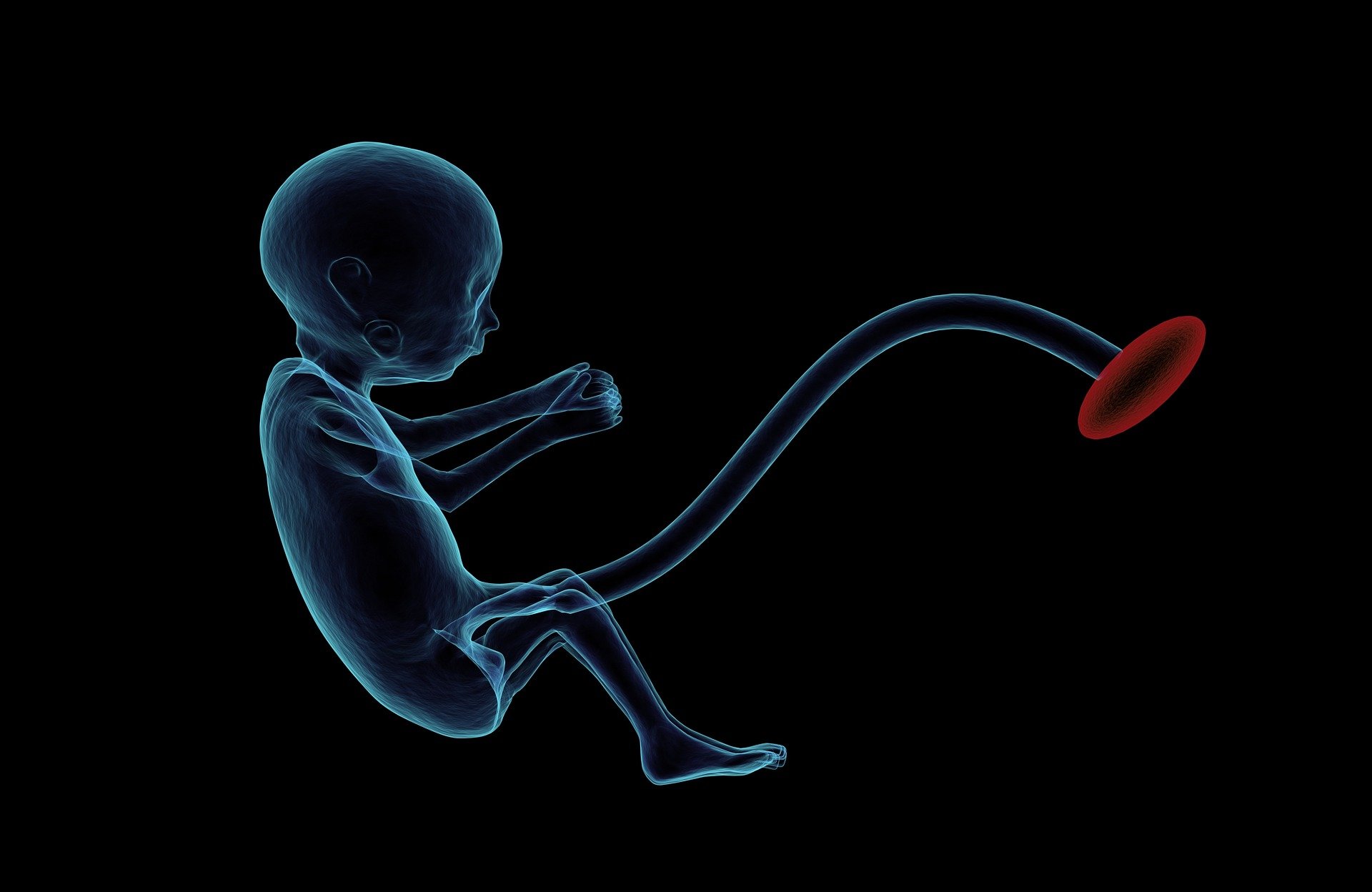
Stress during pregnancy can significantly impact the developing fetal brain, possibly leading to long-term consequences for your child’s cognitive and emotional well-being. Understanding these effects is crucial for expectant parents and healthcare providers alike. I’ve found that proactive awareness and support can make a real difference.
Here’s what current research reveals about how prenatal stressors affect fetal brain progress:
The Developing Fetal brain: A Vulnerable Period
The fetal brain undergoes rapid development, notably during the second and third trimesters.This period is characterized by heightened plasticity, meaning the brain is incredibly sensitive to environmental influences.Consequently, stressors experienced by the mother can disrupt these delicate processes.
Types of Stressors and Their Impact
Several types of stressors can impact fetal brain development. These include:
* Psychological Stress: This encompasses anxiety, depression, and chronic worry. It can alter the levels of stress hormones, like cortisol, reaching the developing fetus.
* Social Stressors: Financial hardship, relationship problems, and lack of social support fall into this category. These factors can contribute to chronic stress and negatively affect maternal health.
* Environmental Stressors: Exposure to pollutants, toxins, or traumatic events can also impact fetal brain development.
How Stressors Affect the Fetal Brain
Stress hormones, while essential for development in normal amounts, can become detrimental when chronically elevated. Here’s what happens:
* Altered brain Structure: Studies show that prenatal stress can lead to changes in brain regions crucial for emotional regulation, learning, and memory, such as the amygdala, hippocampus, and prefrontal cortex.
* Disrupted Neural Connectivity: Stress can interfere with the formation of synapses, the connections between brain cells. This disruption can affect cognitive function and behavioral outcomes.
* Epigenetic Changes: Stress can cause epigenetic modifications,altering gene expression without changing the underlying DNA sequence. These changes can be passed down thru generations, potentially influencing your child’s vulnerability to mental health issues.
Potential Long-Term Consequences
The effects of prenatal stress can manifest in various ways throughout your child’s life. Here’s what you should be aware of:
* Increased Risk of Mental Health disorders: Children exposed to prenatal stress have a higher risk of developing anxiety, depression, and other mental health conditions.
* Cognitive Impairments: Some studies suggest that prenatal stress can lead to difficulties with attention, learning, and memory.
* Behavioral Problems: Increased irritability,hyperactivity,and emotional dysregulation are also potential outcomes.
* Altered Stress Response: Exposure to stress in utero can affect the development of the hypothalamic-pituitary-adrenal (HPA) axis, the body’s primary stress response system, making individuals more reactive to stress later in life.
What Can You Do?
Fortunately,there are steps you can take to mitigate the effects of stress during pregnancy. Here’s what works best:
* Seek Social Support: Connect with family, friends, or support groups. Sharing your feelings and experiences can significantly reduce stress levels.
* Practice Relaxation Techniques: Incorporate mindfulness, meditation, yoga, or deep breathing exercises into your daily routine.
* Prioritize Self-Care: Ensure you’re getting enough sleep, eating a healthy diet, and engaging in regular physical activity.
Worth a look