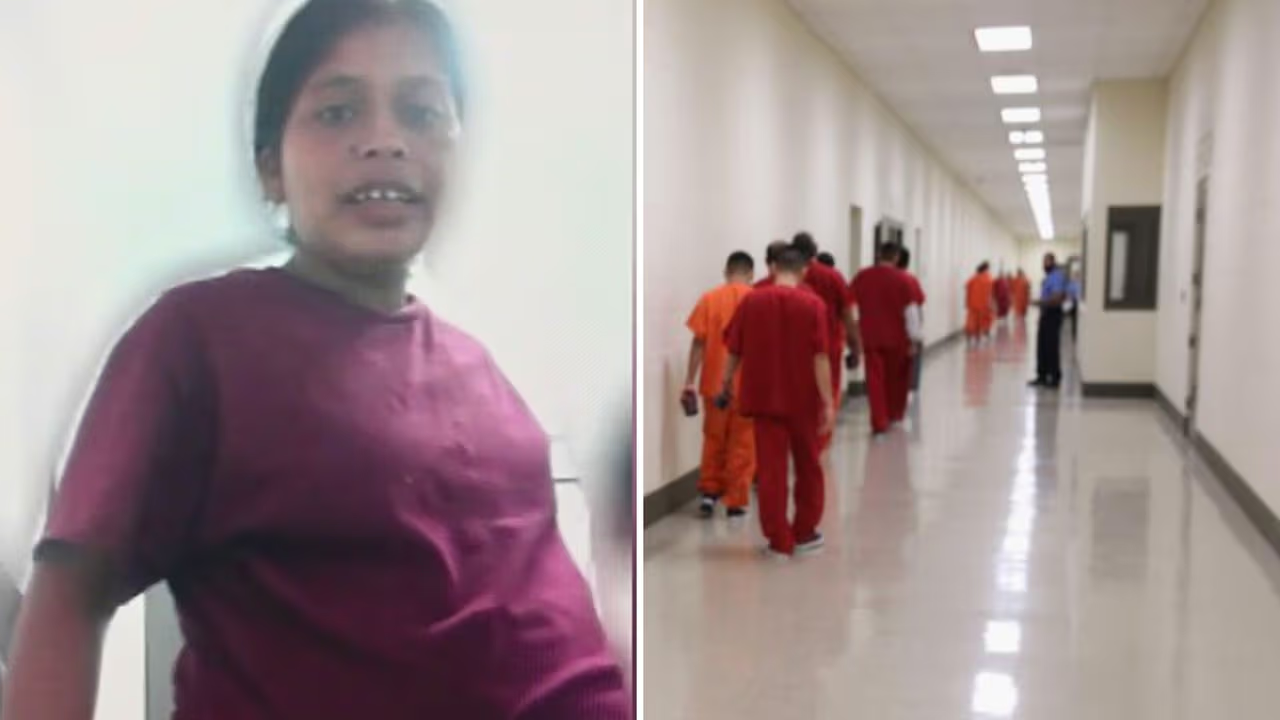
DILLEY, TEXAS – As her due date approaches, Juana Felipe Mateo, an immigrant detained at the Immigration and Customs Enforcement (ICE) facility in Dilley, Texas, faces the harrowing prospect of giving birth within the detention center walls. Her primary fear, as she shared with N+ Univision, is that her baby will be born in custody, adding to the anxiety surrounding the well-being of her two young children who are also detained with her. This case highlights the ongoing concerns about the treatment of pregnant women and families within the U.S. Immigration detention system.
The situation at the Dilley facility, a residential center primarily for families, has drawn increasing scrutiny from human rights advocates and legal experts. While ICE maintains that it provides adequate medical care to detainees, concerns persist regarding access to specialized prenatal care and the potential risks associated with childbirth in a non-hospital setting. The facility, which opened in 2014, has been the subject of numerous reports detailing substandard conditions and inadequate medical attention. According to a 2019 FOIA log, ICE entered into an intergovernmental agreement regarding the Dilley facility. Details of these agreements and related documentation are available through the ICE Freedom of Information Act logs.
A Desperate Plea for Release
Juana’s story is not isolated. Reports from Univision detail other instances of pregnant women facing similar anxieties within ICE detention centers. Just this year, concerns were raised about a woman at the Dilley facility who was nearing her due date and fearing for her child’s birth. The fear is compounded by the uncertainty surrounding potential deportation, a threat that looms large over Juana and her family. She has reportedly been the subject of multiple deportation attempts, paused only by her advanced pregnancy. Juana recounted to N+ Univision a recent experience where she was taken to the airport, only to be returned to the detention center because the necessary medical documentation hadn’t been secured.
“Sí, ellos me llevaron el día sábado (al médico) y después yo me fui hasta el aeropuerto con mi niña, pero ellos necesitan un papel para el doctor, pero ellos dijeron ‘nos vamos a regresar otra vez’, como once horas,” Juana explained, expressing her frustration and desperation. She is now pleading for release to Miami, Florida, where she previously resided and has rental housing, hoping to give birth in a safe and familiar environment. Her husband was deported to Guatemala two months ago, adding to the family’s separation and hardship.
Concerns Over Detainee Health and Well-being
The conditions within the Dilley facility are raising serious concerns about the health and well-being of the children accompanying their mothers. Juana described a decline in her children’s health, noting their weight loss and diminished appetite. “A veces la nena no come, apenas una cuchara de frijol con arroz, sólo eso. Ellos no quieren comer… cuando vinimos aquí ellos tenían ropa talla tres, pero ahora usan talla dos. Bajaron mucho de peso,” she shared, highlighting the emotional and physical toll of detention on her children. This echoes broader concerns about the impact of detention on children’s mental and physical health, as documented by numerous advocacy groups.
Recent reports have also shed light on the tragic consequences of inadequate medical care within ICE detention centers. In January 2026, calls to 911 revealed details surrounding the deaths of two detainees at ICE facilities in Texas – Geraldo Lunas, a Cuban immigrant, and Víctor Manuel Díaz, from Nicaragua. These incidents underscore the potential risks faced by vulnerable individuals within the ICE detention system. a case from March 2025 revealed the death of Ruben Ray Martínez, a U.S. Citizen, at the hands of an ICE agent, raising questions about accountability and oversight.
The Dilley Facility and ICE Policies
The Dilley facility, operated by CoreCivic under contract with ICE, is one of the largest family detention centers in the United States. It has been the focus of legal challenges and protests due to concerns about its conditions and the indefinite detention of families. ICE maintains that the facility provides a safe and humane environment, but critics argue that detention itself is harmful to families, particularly children. The agency’s policies regarding pregnant detainees have also been subject to scrutiny, with advocates calling for alternatives to detention, such as community-based supervision programs.
The Biden administration has faced pressure to reform immigration detention policies, including reducing the number of families held in detention and improving conditions within facilities. However, progress has been sluggish, and family detention continues to be a significant feature of the U.S. Immigration system. Recent policy changes regarding operate permits for asylum seekers, proposed by the Trump administration and now under review, could further complicate the situation for vulnerable immigrants. These proposed changes would delay initial work permit applications and increase security checks, potentially impacting families’ ability to support themselves while awaiting asylum hearings.
The Broader Context of Immigration Detention
Juana’s case is emblematic of the broader challenges faced by immigrants seeking refuge in the United States. The immigration system is often complex and bureaucratic, and individuals can spend months or even years in detention while awaiting their hearings. The lack of adequate legal representation and the language barriers faced by many detainees can further exacerbate these challenges. The situation is particularly dire for pregnant women, who require specialized medical care and face the added stress of impending motherhood while navigating the uncertainties of the immigration process.
The debate over immigration detention is deeply polarized, with proponents arguing that it is necessary to enforce immigration laws and deter illegal immigration, while opponents contend that it is inhumane and ineffective. Human rights organizations have documented numerous cases of abuse and neglect within ICE detention centers, and legal challenges to detention policies are ongoing. The future of immigration detention in the United States remains uncertain, but the require for humane and just treatment of all individuals, including pregnant women and families, is clear.
The case of Juana Felipe Mateo serves as a stark reminder of the human cost of immigration policies and the urgent need for comprehensive immigration reform. As she awaits her due date, her plea for release and a safe environment to give birth underscores the fundamental rights of all individuals, regardless of their immigration status. The situation also highlights the importance of providing adequate medical care and support to vulnerable populations within the immigration system.
As of February 21, 2026, Juana remains in the Dilley detention center, awaiting a decision on her request for release. Advocates are continuing to work on her behalf, seeking legal and medical assistance to ensure a safe and healthy outcome for both her and her baby. The next steps in her case will likely involve further legal proceedings and continued advocacy efforts to secure her release and ensure her access to necessary medical care.
Share your thoughts on this important story in the comments below. Your voice matters.
Worth a look