Viking Woman’s Grave Reveals a Powerful Pagan Priestess
A remarkable discovery in Sweden is rewriting our understanding of Viking Age women and their roles in society. Recent excavations of a burial mound in Aska have unearthed teh grave of a woman buried wiht an remarkable collection of artifacts, suggesting she was a figure of significant power and spiritual authority.
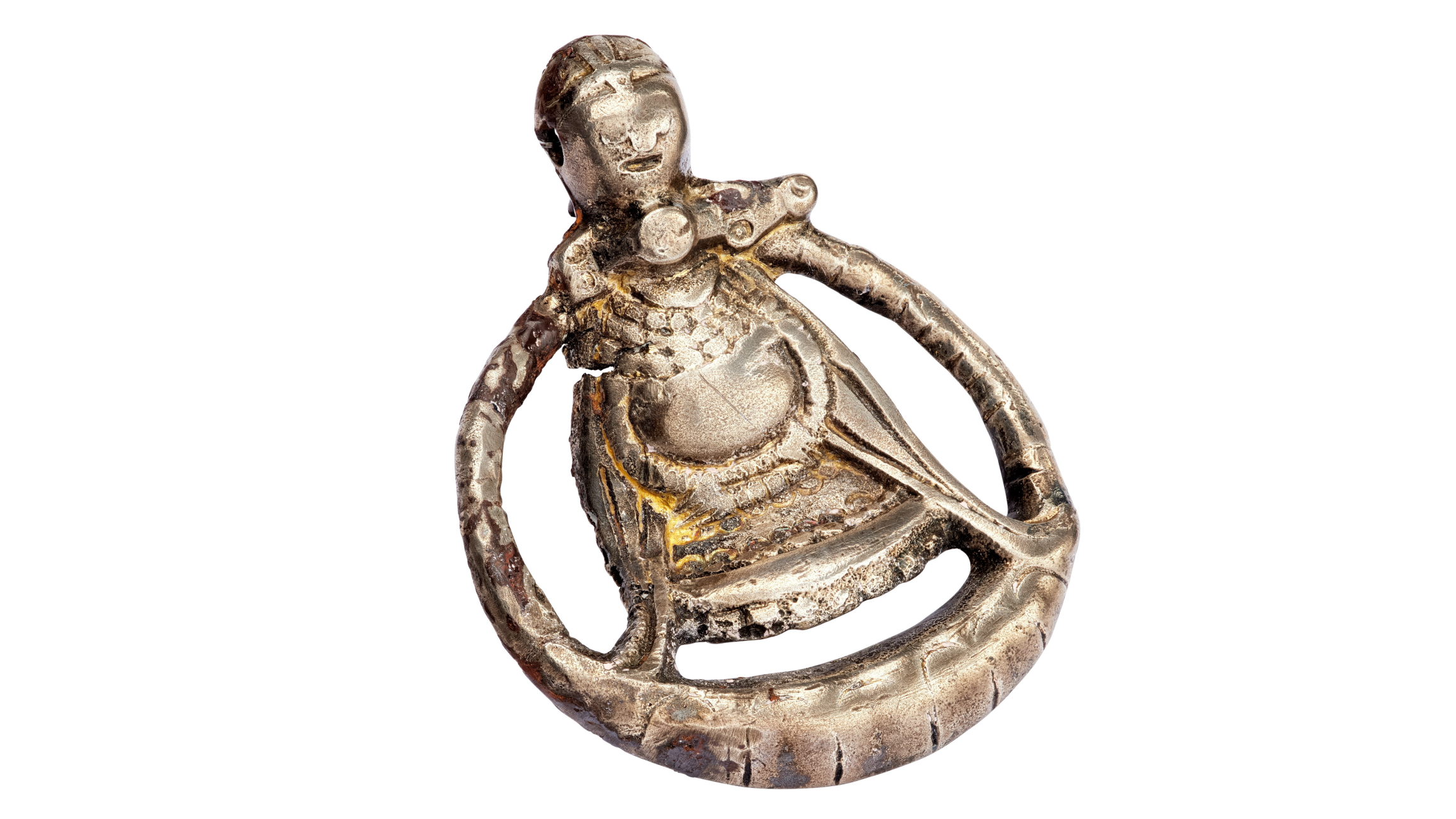
The grave contained a wealth of items, including a complete set of iron tools, a wolf-headed staff, and a series of intricately crafted pendants. Notably, these pendants included several Thor’s hammer pendants and a especially striking Freyja pendant – a symbol associated with the Norse goddess of love, beauty, and fertility. Furthermore, an Ash Pendant, passed down through generations, was also found among the grave goods.
These aren’t simply adornments; they represent heirlooms, carefully preserved and passed down through families, signifying a deep connection to ancestral beliefs. You can imagine the weight of history and tradition embodied in these objects.
A Practitioner of Magic and Ritual?
Considering the unique combination of weaponry and ritual objects, experts believe this woman likely held a prominent position as a practitioner of magic or ritual. The presence of the wolf-headed staff is particularly intriguing, as such items are often associated with shamanistic practices and spiritual leadership.
It’s vital to remember that Viking society wasn’t monolithic. While often portrayed as solely warriors, they possessed a complex spiritual life, and women played vital roles within it. This discovery offers compelling evidence of that.
* Powerful Symbolism: the Freyja pendant suggests a connection to fertility, prosperity, and perhaps, divination.
* Ritual Authority: The staff and pendants indicate a role in leading ceremonies or performing magical practices.
* heirloom Importance: The inherited pendants demonstrate a lineage of spiritual knowledge and authority.
The end of an Era?
Interestingly, later graves in the Aska area lack these types of ritual objects. This suggests the woman buried in the mound may have been one of the last pagan practitioners of her kind. As Christianity spread throughout Scandinavia, conventional Norse beliefs gradually faded.
Her burial with the Freyja pendant could represent a final,poignant act of devotion to the old gods,a symbolic farewell to a way of life. It’s a powerful image – a woman safeguarding her traditions in the face of change.
This discovery isn’t just about uncovering artifacts; it’s about understanding the lives, beliefs, and power of women in the Viking Age.It challenges existing narratives and invites us to reconsider the complexities of this interesting period in history. You’re witnessing a re-evaluation of Viking society, one artifact at a time.
Worth a look