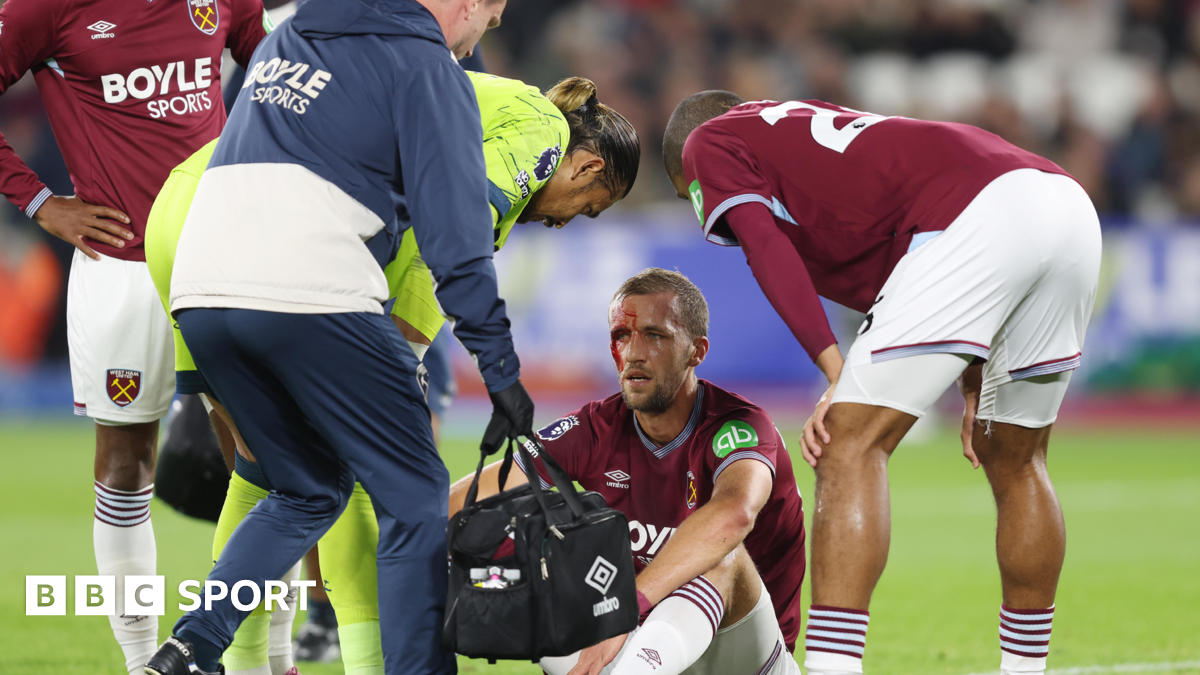
Understanding Concussion Protocols in Sports: A Extensive Guide
Have you ever wondered what happens after a player goes down with a potential head injury? The protocols surrounding concussion management in sports are constantly evolving, aiming to prioritize athlete safety while navigating the complexities of return-to-play decisions. This guide breaks down the current procedures, from initial assessment to a full return to competition, ensuring you understand the steps involved and why they matter.
What Happens When a Head Injury is Suspected?
The moment a referee halts play due to a suspected head injury, a critical process begins. First, a qualified medical professional – a doctor or physiotherapist – will instantly assess the player on the field. This initial evaluation looks for obvious signs of concussion.
What are these signs? They can include:
* A vacant stare.
* Visible confusion.
* Delayed responses to questions.
* Loss of consciousness (though this isn’t always present).
The Immediate Off-Field Assessment & 30-Second Rule
If a concussion is suspected, the player must be removed from the field of play. This isn’t a decision to be taken lightly. Crucially, they cannot return until at least 30 seconds have elapsed after play restarts. This provides time for a more thorough assessment away from the immediate game surroundings.
During this assessment, medical staff will look for both visible signs and rely on the player’s reported symptoms. Common symptoms include:
* Dizziness
* Headache
* Nausea
* Blurred vision
* Sensitivity to light or noise
The Concussion Recognition tool (CRT) – What Questions Are Asked?
To objectively evaluate brain function, medical professionals utilize a “concussion recognition tool” (CRT). Developed by the Concussion in Sport Group, the CRT includes a series of questions and assessments. These aren’t trick questions; they’re designed to gauge cognitive function.
Examples of questions you might hear include:
* what is the date?
* What time of day is it?
* Where are you?
* What happened before you came here?
* Remember these three words… (followed by a recall test later)
Learn more about the Concussion Recognition Tool here.
Concussion Substitution: A Modern Safeguard
Recognizing the need to protect players without disadvantaging teams, many leagues – including the Premier League – now allow a “concussion substitution.” This allows a team to replace a player suspected of a concussion without using one of their regular substitution slots. This is a significant step forward in prioritizing player welfare.
The 24-Hour Supervision & Return-to-Play Protocol
If a player is diagnosed with a concussion, the next 24 hours are critical. They shoudl be closely supervised to monitor for any worsening of symptoms. Following this initial period, a structured “return-to-play” process begins. This is a six-stage program designed to gradually reintroduce the athlete to activity.
Here’s a breakdown of the stages:
- Rest (48 hours): Physical and cognitive rest is paramount. This means minimizing screen time, work, and any activities that require significant mental effort.
- Light Exercise: Gentle activities like walking or stationary cycling, focusing on symptom monitoring.
- Football-Specific Exercise: Introducing running, agility drills, and light ball work, without head impact.
- Non-Contact Training: Participating in team training drills, but avoiding any contact.
- Full-Contact training: Reintroducing full-contact practice, carefully monitored for symptom recurrence.
- Return to Play: Full clearance to participate in competitive matches.
The FA (Football Association) emphasizes a “staged and graduated” approach. Each stage must be completed without a significant worsening of symptoms or the emergence of new ones. You can find the FA’s full concussion guidelines here.
Why is a Gradual Return So Important?
Rushing back after a concussion can have serious consequences, including prolonged symptoms,
- Scott McTominay Set for New Napoli Contract Extension Under Allegri
- Kiki Iriafen and Cotie McMahon Fined $500 After Mystics vs. Wings Altercation
- Controversy Over Camera Angles and Broadcasting Rules for Female Athletes (newsdirectory3.com)
- The Congressional Review Act, Explained: How Congress Kills Federal Rules (daybreakwire.com)