
Recent clinical investigations into the long-term effects of anticholinergic medications have prompted a re-evaluation of their use among aging populations, particularly regarding their potential link to cognitive decline. These drugs, frequently prescribed for conditions ranging from allergies and insomnia to overactive bladder and gastrointestinal distress, are commonly used by millions of patients worldwide. According to the National Institute on Aging, while these medications are effective for acute symptom management, the cumulative impact of long-term exposure on brain health remains a subject of rigorous scientific scrutiny in geriatric medicine.
As a physician, I frequently see patients concerned about the medications in their medicine cabinets. The core of this medical discussion centers on the “anticholinergic burden”—a cumulative score used by clinicians to assess the total exposure of a patient to drugs that block the neurotransmitter acetylcholine. When this neurotransmitter is inhibited, patients may experience side effects such as dry mouth, blurred vision, or confusion. In older adults, whose cognitive reserves may be diminished, consistent interference with these pathways is being studied for its potential to accelerate dementia progression or memory impairment.
Understanding the Anticholinergic Mechanism
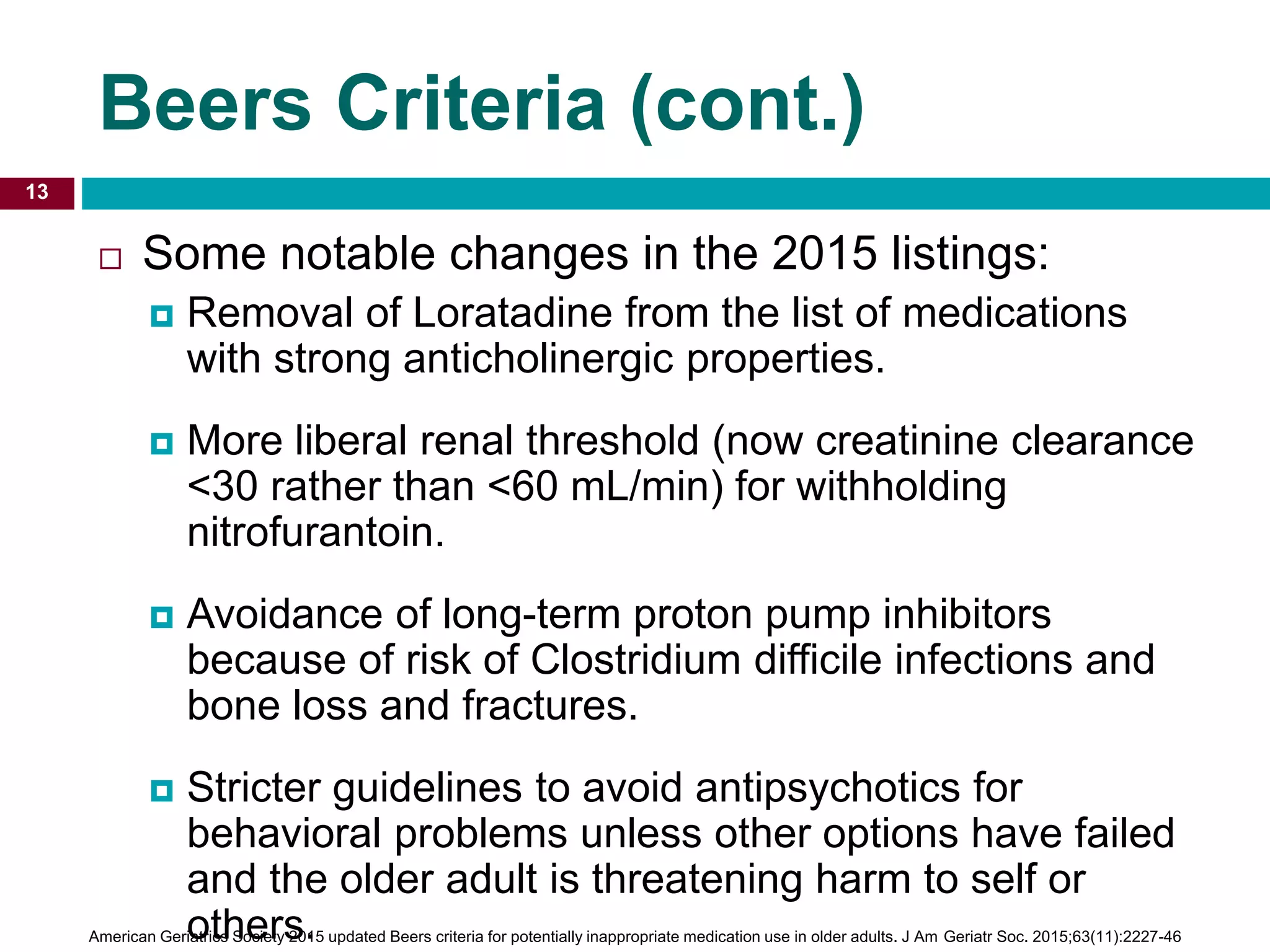
Anticholinergic drugs work by inhibiting acetylcholine, a primary chemical messenger in the central and peripheral nervous systems. In the brain, acetylcholine is vital for learning, memory, and attention. When a medication blocks these receptors, it can lead to acute cognitive side effects, such as delirium, particularly in patients over the age of 65. The American Geriatrics Society has long included many of these agents on the Beers Criteria, a list of medications that are generally considered potentially inappropriate for older adults due to the risk-to-benefit profile.
The clinical concern is not typically associated with a single dose, but rather with chronic, long-term use. For example, some over-the-counter sleep aids and antihistamines contain diphenhydramine, a potent anticholinergic. When taken nightly over several years, the cumulative effect may contribute to a measurable decrease in cognitive performance. Medical providers are increasingly encouraged to conduct “deprescribing” sessions—systematically reviewing a patient’s list of medications to identify and replace high-risk anticholinergic drugs with safer alternatives whenever possible.
Evaluating the Evidence on Cognitive Risk
Research published in journals such as *JAMA Internal Medicine* has historically suggested an association between high-potency anticholinergic use and an increased risk of developing dementia. However, it is essential to distinguish between correlation and causation. Many of the conditions treated by these drugs, such as depression or chronic sleep disorders, are themselves independent risk factors for cognitive decline. Distinguishing whether the medication is the catalyst or merely a marker for an underlying health issue is a primary challenge for researchers at institutions like the Alzheimer’s Association.

Furthermore, the risk is not uniform across all medications. Some drugs possess very weak anticholinergic properties, while others are highly potent. Clinicians often use the Anticholinergic Cognitive Burden (ACB) scale to quantify these risks. Patients should not discontinue prescribed medications abruptly, as this can lead to “rebound” symptoms or withdrawal effects. Instead, any adjustment to a medication regimen should be managed under the direct supervision of a primary care physician or a geriatric specialist.
Practical Guidance for Patients and Caregivers
If you or a family member are concerned about current prescriptions, there are proactive steps you can take to engage with your healthcare provider. First, bring an updated list of all medications, including over-the-counter supplements and herbal remedies, to your next appointment. Ask specifically if any of your current medications have anticholinergic properties and if there are non-pharmacological alternatives available for managing your symptoms.

It is also important to monitor for signs of cognitive changes, such as increased forgetfulness, difficulty focusing, or changes in sleep patterns. Documenting these observations can help your physician determine if a medication adjustment is warranted. The U.S. Food and Drug Administration (FDA) maintains databases for reporting adverse drug events, highlighting the importance of clear communication between patients and their clinical teams regarding side effects.
What Happens Next in Research
The medical community is currently awaiting further long-term, prospective cohort studies that control for the underlying conditions for which these drugs are prescribed. By isolating the drug’s effect from the disease’s effect, researchers aim to provide more definitive guidance for clinical practice. As of the latest updates from major health authorities, there is no immediate regulatory mandate to withdraw these medications from the market, as they remain essential for treating specific clinical conditions when used appropriately.
Patients should look for official updates from their national health ministries or local medical boards regarding prescribing guidelines. If you found this information helpful, please share this article with those who may be managing long-term medication regimens. We invite you to join the discussion in the comments section below regarding your experiences with medication management and healthy aging.
Related reading